
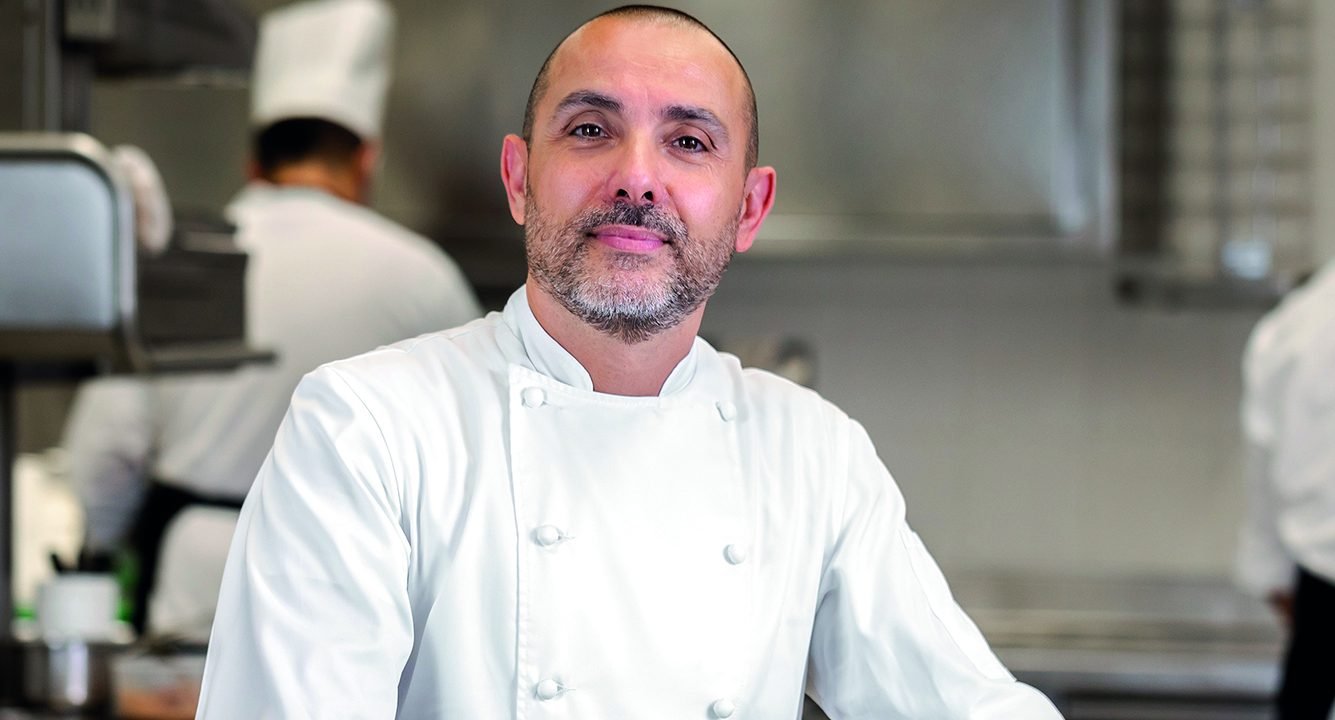
A SENSORY JOURNEY INTO THE UNIVERSE OF RICCARDO MONCO, THE CHEF WHO TRANSFORMED RIGOUR INTO POETRY AND EXCELLENCE INTO A TIMELESS EMOTION.
Q: Chef, your career seems like a script from another era. Where do the roots of this calling lie?
A: It all began amidst the noise of traffic and the aromas of old Milanese trattorias. At 14, while the world around me was rushing by, I chose the slow pace of dedication: I went to Buccinasco, to the trattoria "Da Cecchino." There I saw true magic: the owner entering the butcher's shop, cutting the meat on the spot, and transforming it into a golden, perfect Milanese cutlet. It was in that fruit and vegetable shop, among the market stalls, that I learned that "well-done" food isn't a luxury, but an act of respect towards the guest.
From school desks to the great temples of gastronomy. What encounters shaped your vision?
I was fortunate enough to meet the gaze of the greats. Giuseppe Gnosi took me to "La Chiusa" in Montefollonico, where nine women rolled pici by hand in front of the diners: a theater of taste that taught me the emotion of transparency. Then came the masters: Angelo Paracucchi, a genius and agronomist; Pietro Leemann, who taught me the poetry of vegetables. But it was Paris, at Lucas Carton with Alain Senderens, that gave me rigor: there, the team was like an orchestra in a Formula 1 pit stop, where every second was dedicated to the perfection of the dish.
Thirty-three years at Enoteca Pinchiorri. Three Michelin stars. How do you keep the flame of innovation alive in a place that has already written the history of global gastronomy? It stays alive with the daily, almost paradoxical humility of always feeling like we're back where we started. The real challenge isn't to inhabit a myth, but to nurture it without being its prisoner.
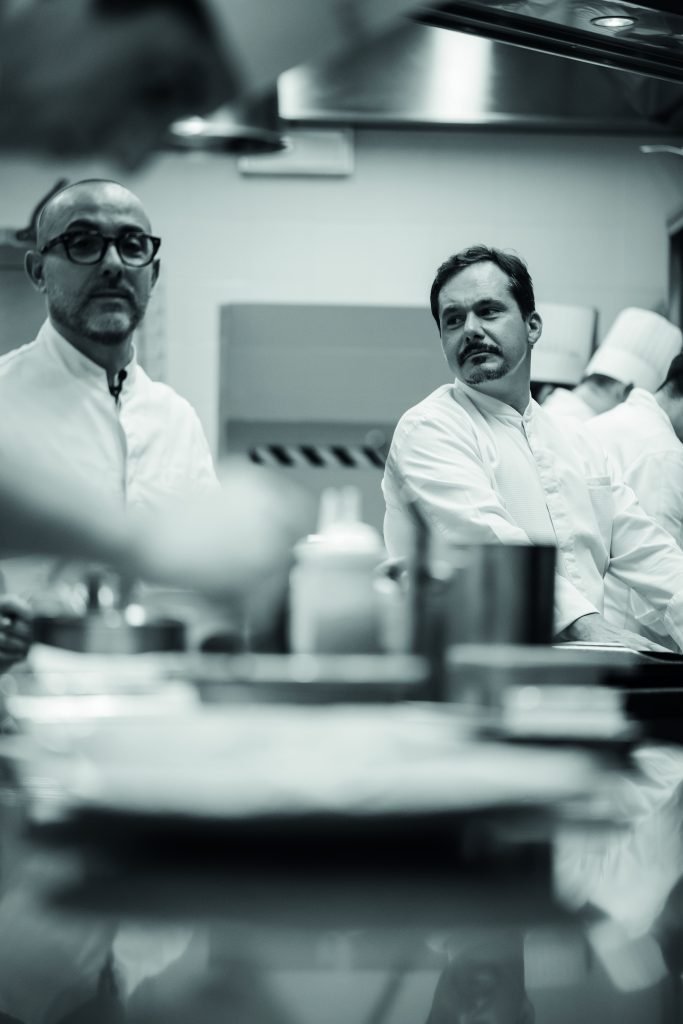
Annie Féolde and Giorgio Pinchiorri instilled in me the courage to dare and give voice to my vision; today, together with an extraordinary team including Alessandro Tomberli, chef Alessandro Della Tommasina, and pastry chef Francesco Federici, we live this legacy not as a static achievement, but as a dynamic mission. The Enoteca is not a museum of gastronomic memories, but a vibrant organism, a breathing and transforming ecosystem. Every day we strive to blur the line between what has been "done well" and what can be "done sublimely," because excellence at this level requires constant evolution and a curiosity that never allows itself to be satisfied.
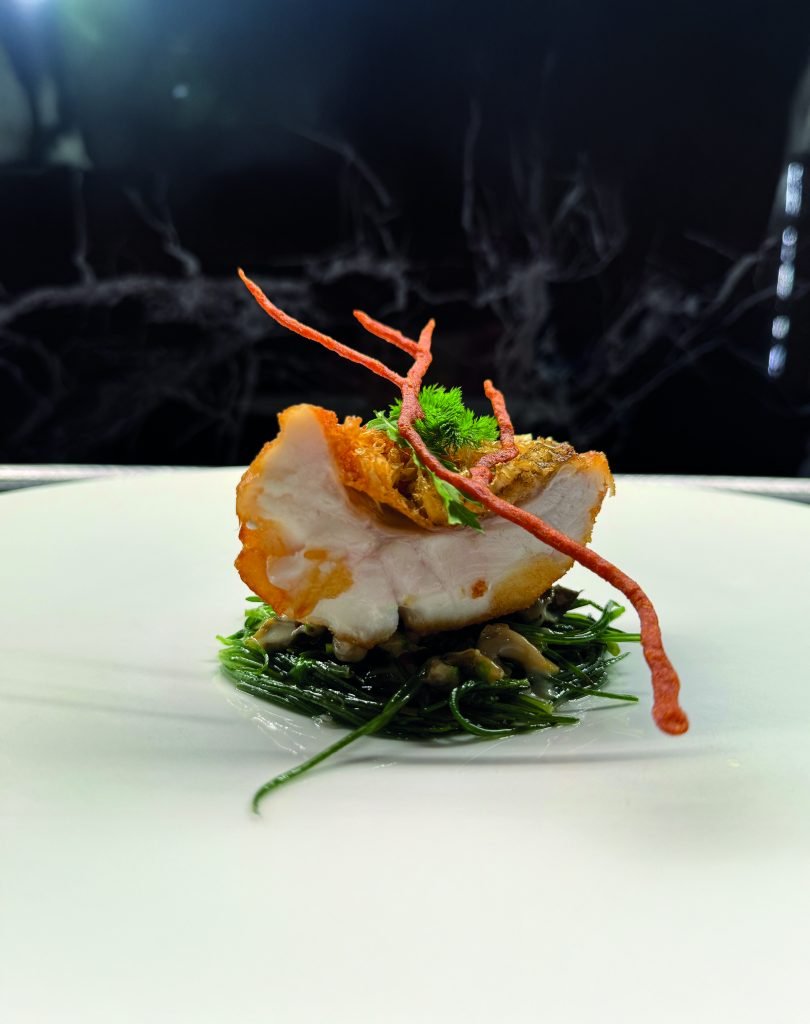
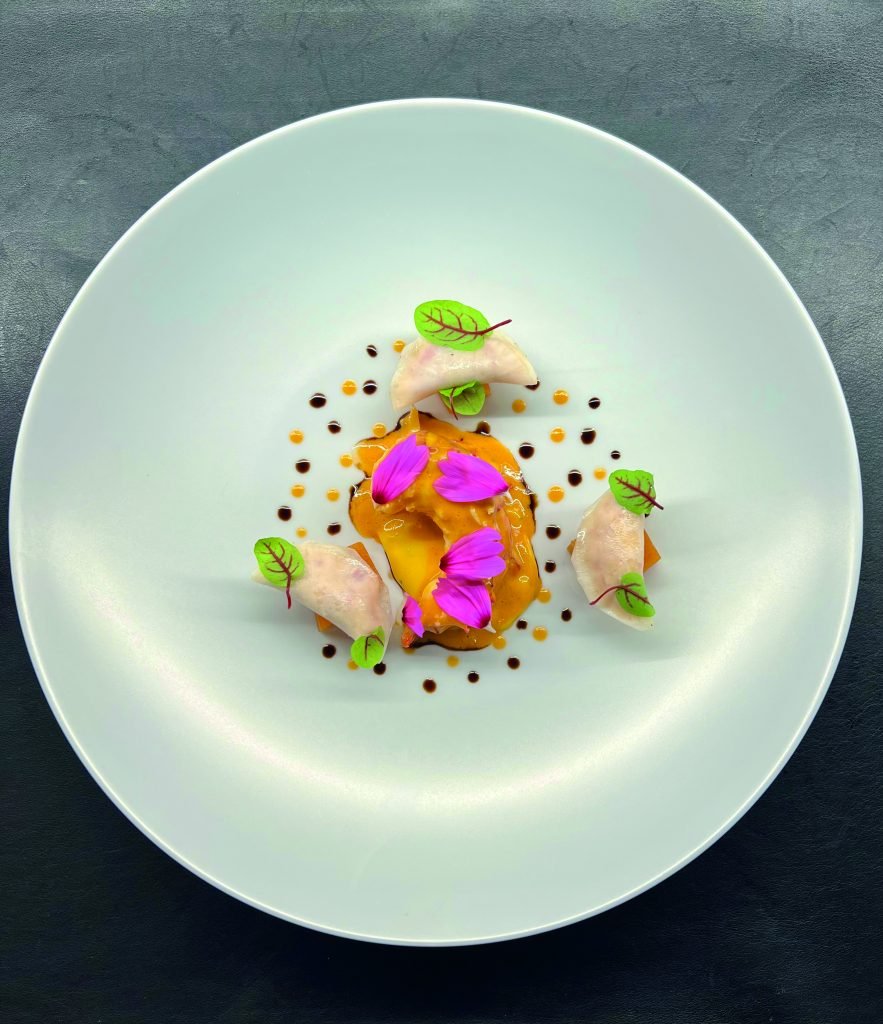
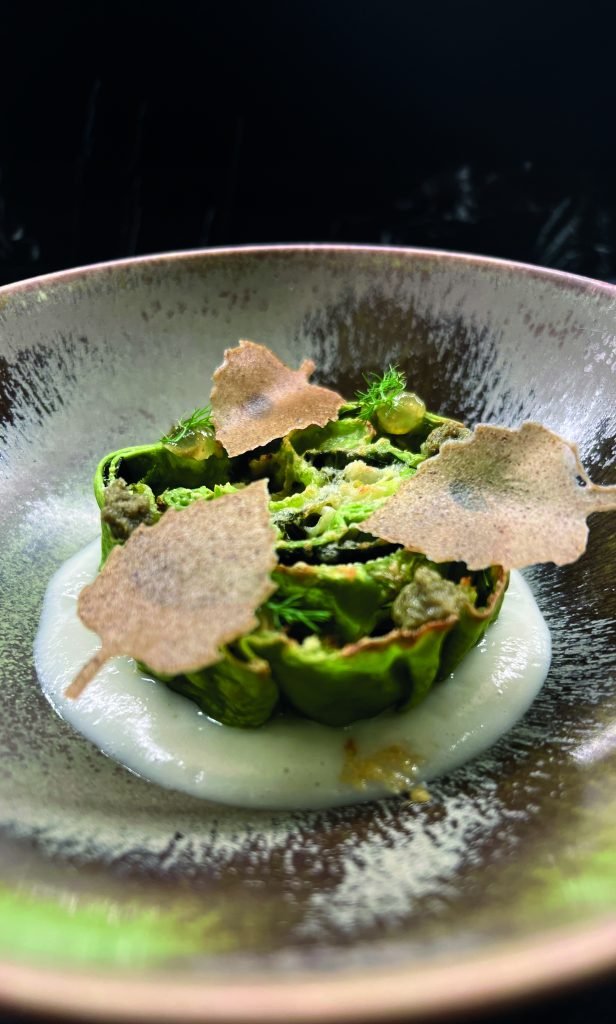
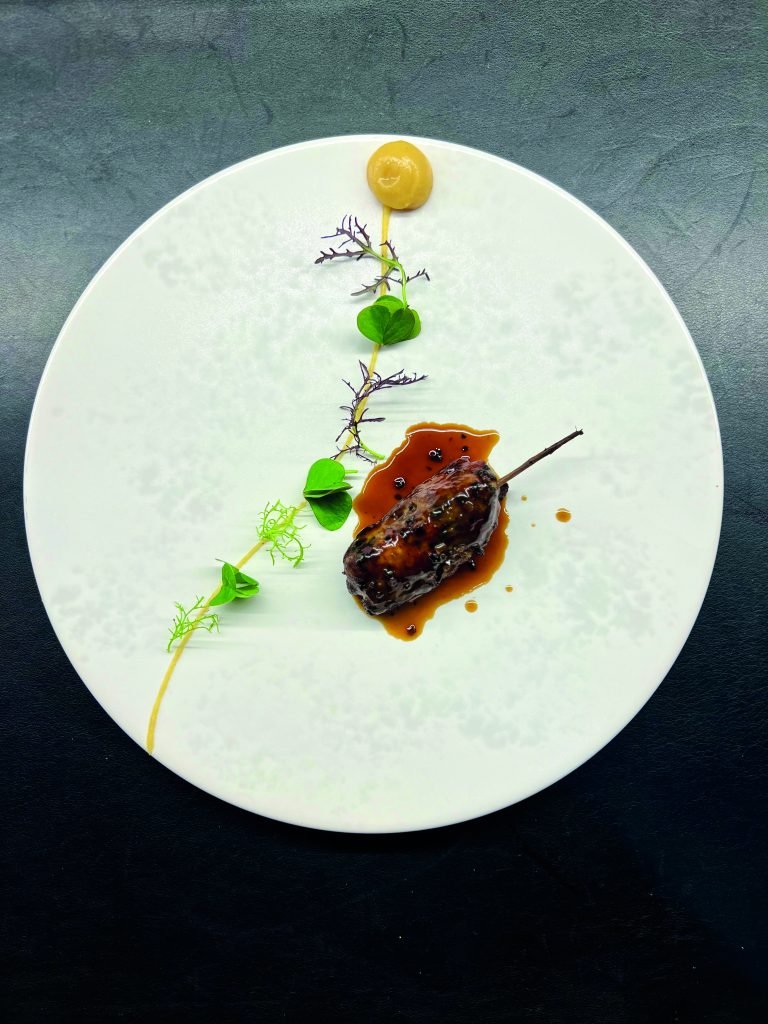
For you, raw materials are almost sacred. How do you interpret them? Raw materials are our alphabet. We don't just use them; we search for them obsessively, respecting their life cycle and capturing that "peak of flavor" that lasts only an instant. Maintaining the à la carte selection is an act of freedom for us: it allows the customer to interact directly with the product and allows us to enhance the ingredient without compromise.
How the alchemy of a new dish is born in your creative laboratoryIt often stems from a sudden inspiration during a trip or a heated exchange with Alessandro Della Tommasina. We have our feet firmly planted in the Italian tradition, but our eyes are always turned toward the world. We are the children of a heritage that UNESCO has rightly recognized, but our strength lies in knowing how to blend that heritage with everything around us, creating something new.
You often talk about young people. What do you see in the young people joining your team today? I see extraordinary speed of thought. They were born with technology, but we teach them the beauty of error. Making mistakes is essential to understanding where to improve. I try to instill curiosity in them: without the desire to discover what lies behind a flavor, cooking remains merely technique. They are the future and our most precious resource.
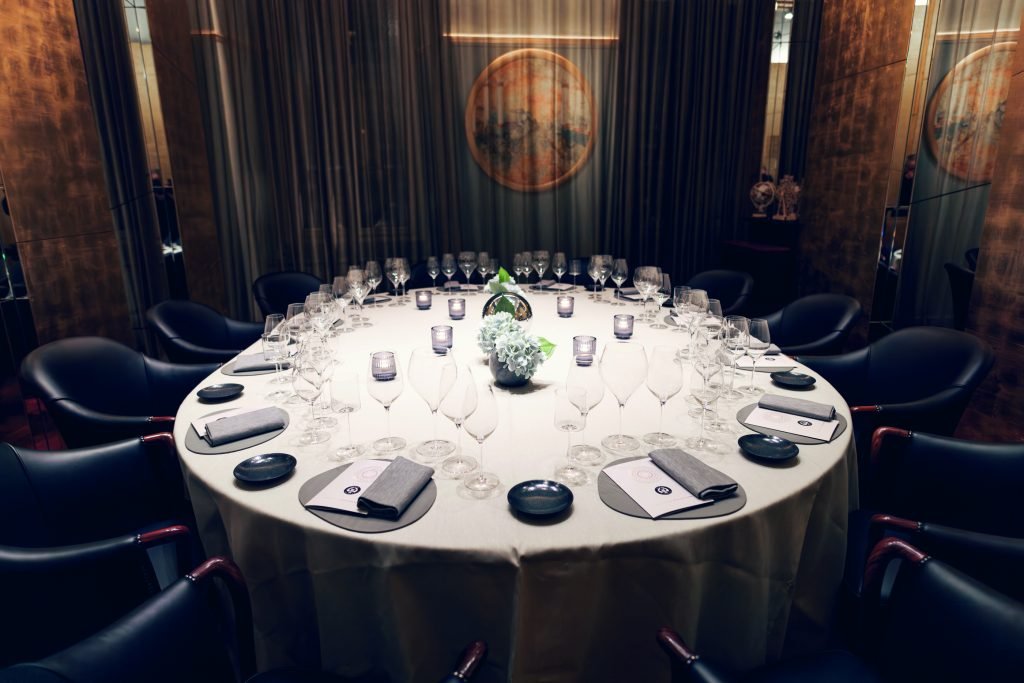
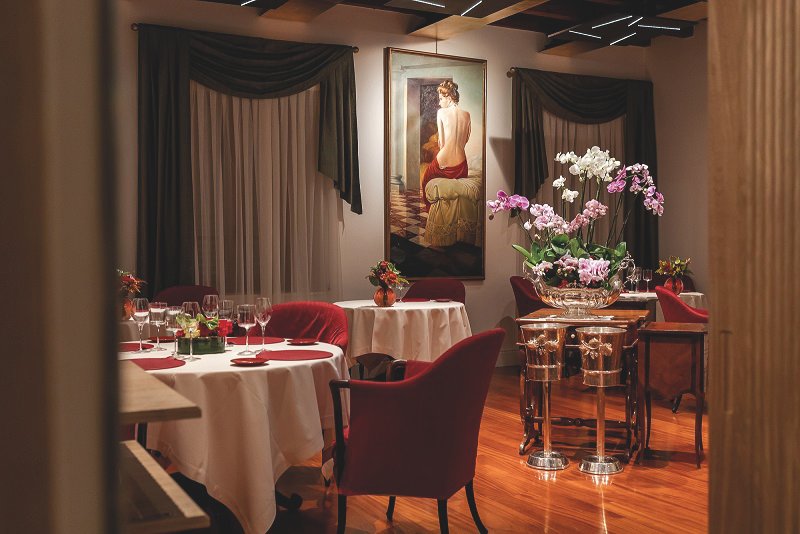
Japan is your second home. What does it mean to represent Enoteca in Nagoya? We were pioneers: Tokyo in 1992 was almost a pioneering adventure. Today, we bring the same soul of Florence to Nagoya. I've been involved with this restaurant for over thirty years, and the connection is visceral. We want Japanese diners to experience Italian elegance not just in the food, but throughout the entire experience, which includes an unparalleled wine list.
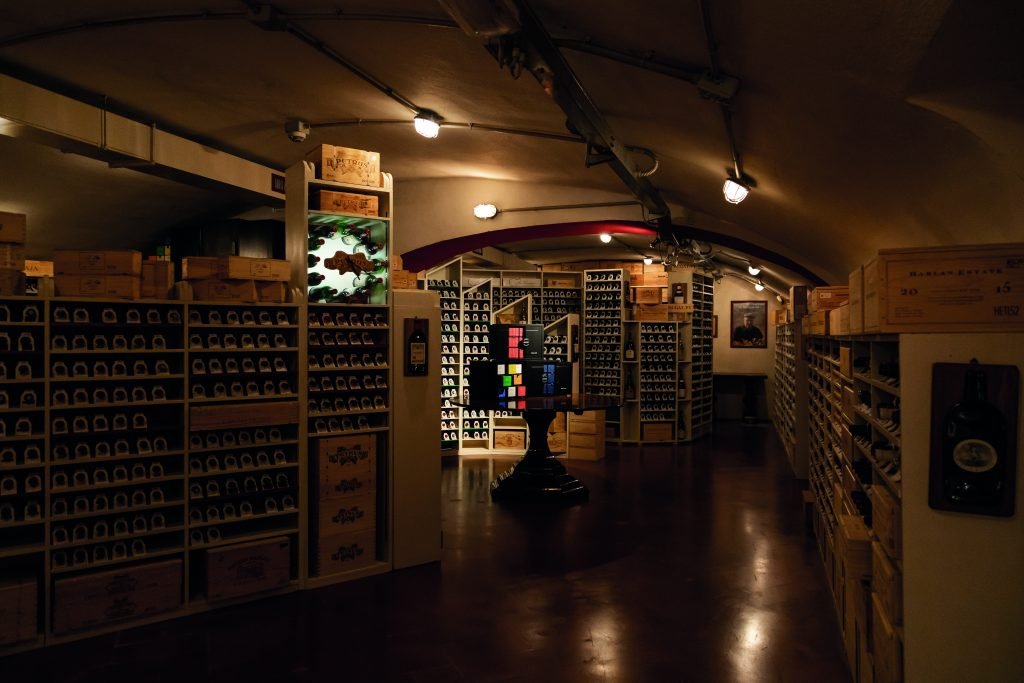
Finally, wine. How do you dance with one of the world's most important wineries? It's a relationship of deep love. The kitchen and the cellar are two halves of a perfect circle. With 4,000 labels and 70,000 bottles, our job is to tell stories. We don't just seek out big names, but also uncover small producers who have something to say. Giorgio Pinchiorri and Annie Féolde's true talent was transforming a temple of wine into a restaurant unlike any other, where egos are set aside to deliver pure emotion.