
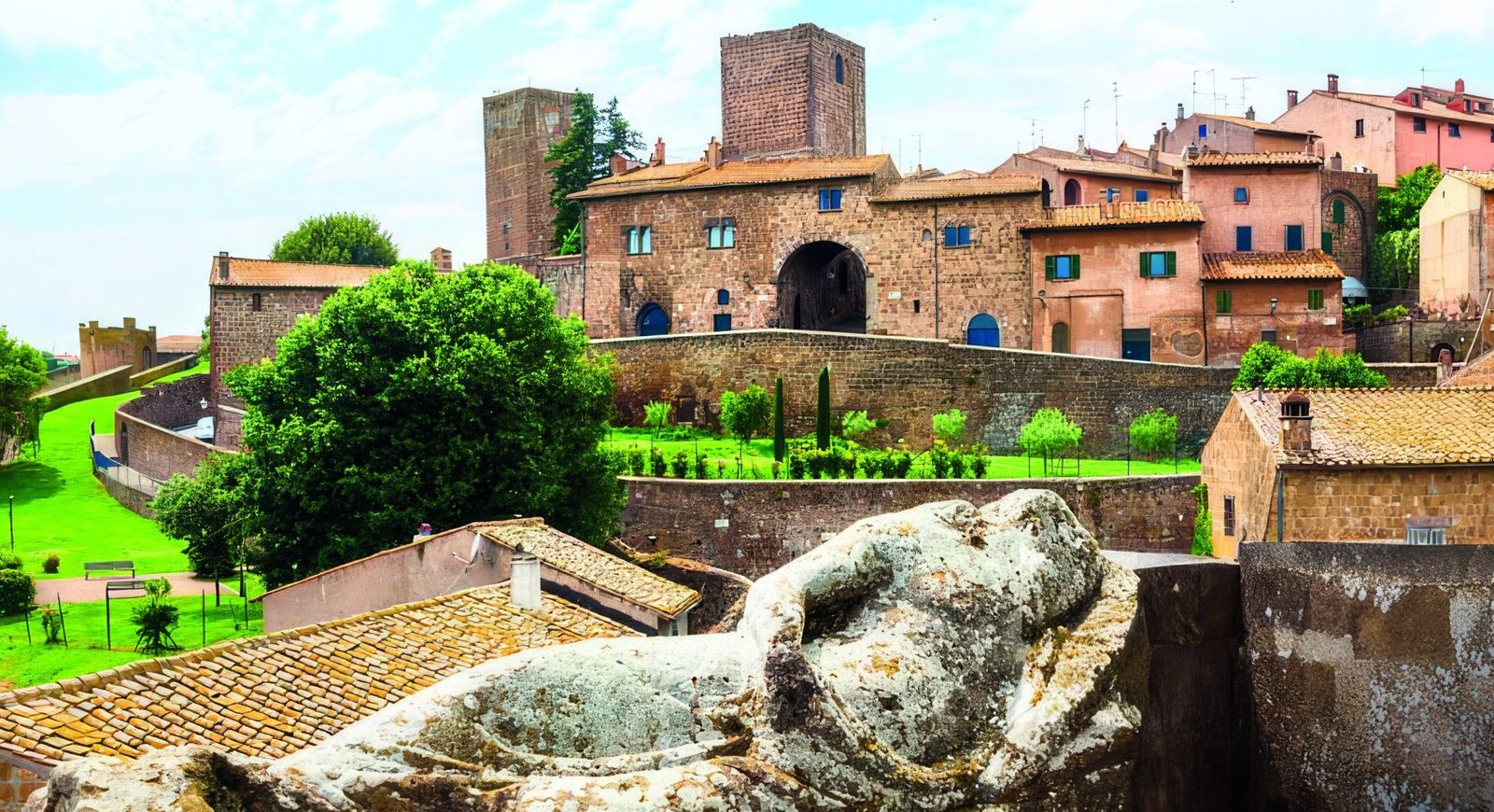
WHERE TIME DOES NOT STAND STILL, RELAXING NATURALLY AMONG ANCIENT STONES, INTACT LANDSCAPES AND ETRUSCAN MEMORIES, A LESS VISIBLE AND MORE AUTHENTIC TERRITORY IS REVEALED, MADE OF SILENCE, LIGHT AND DEEP STRATIFICATIONS THAT OFFER THEMSELVES ONLY TO THOSE ABLE TO OBSERVE.
In the most secluded heart of Lazio, there is a place where time has not stopped by inertia, but has chosen to slow down with measure, as if everything had found its own definitive rhythm. Tuscania It doesn't impose itself, it doesn't try to amaze. It lets itself be traversed. It's a discreet presence, made of stone, light, and silence, where landscape and history coexist without ever overlapping, but rather interacting with a rare naturalness.
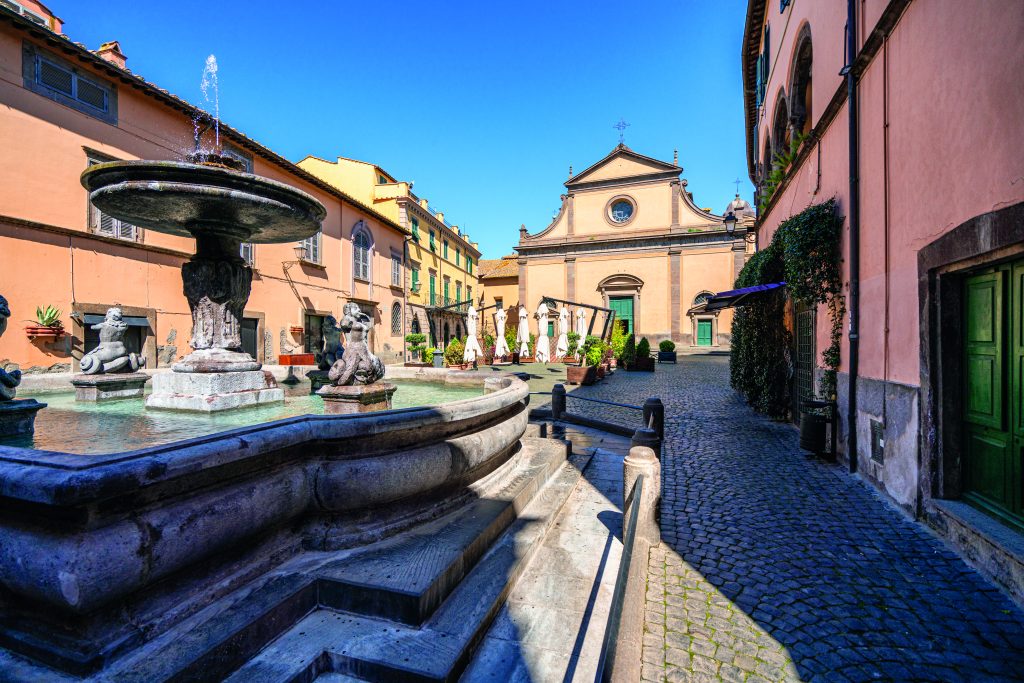
Its origins date back to a time before the peninsula's most well-known narrative. Here, Etruscan civilization is not a closed chapter, but a still legible trace, widespread throughout the land, in the reliefs, and in the openings of the earth. The necropolises surrounding the city reveal a direct relationship with death and the sacred, a vision of the world that did not separate, but integrated. Not far away, Tarquinia It amplifies this dimension, giving the entire area a cultural density that needs no explanation: it's simply felt. Entering the town center, the sensation changes but doesn't end. The streets narrow, articulated without rigidity, following a logic that belongs more to time than planning. The stone houses retain the light, reflecting it opaquely, never violently. The medieval towers emerge without dominating, marking the urban skyline with a sober verticality. Walking here doesn't mean visiting, but rather stopping. Every corner demands time, every passage suggests a pause.
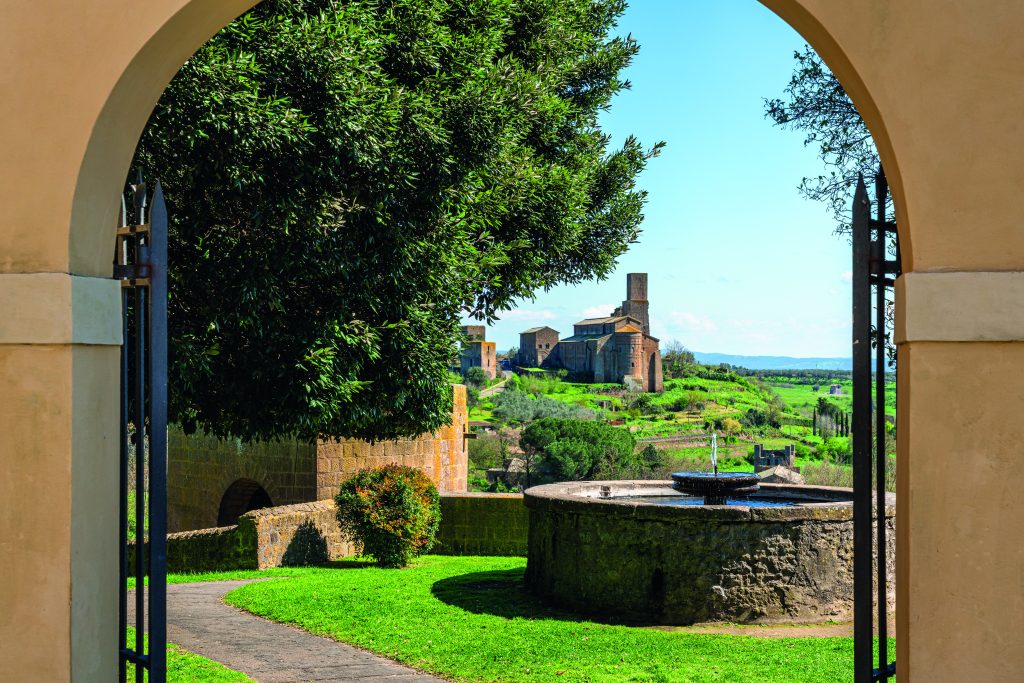
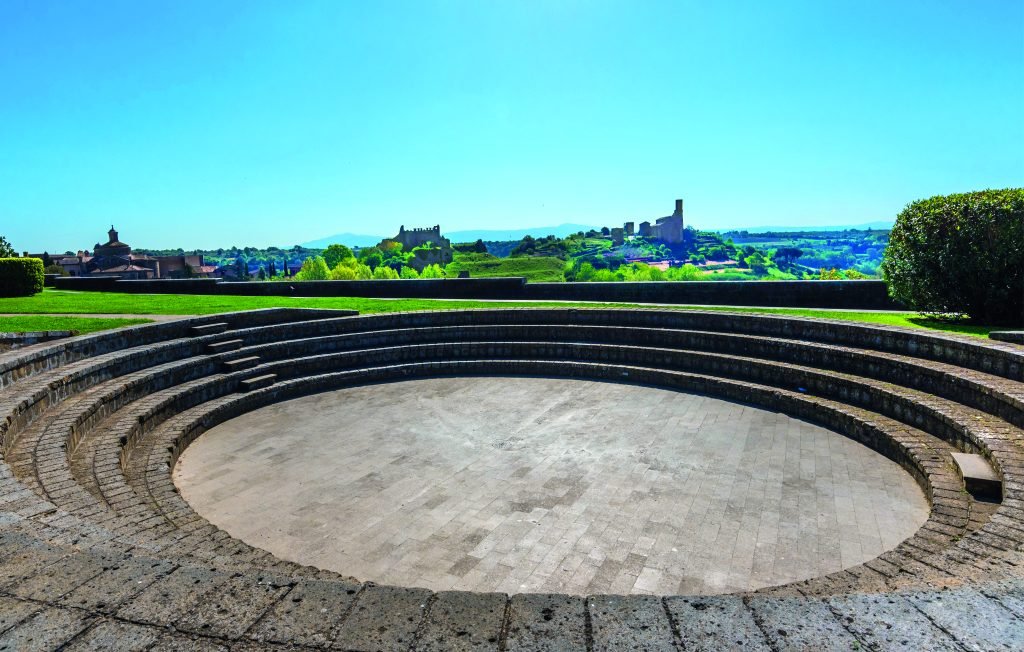
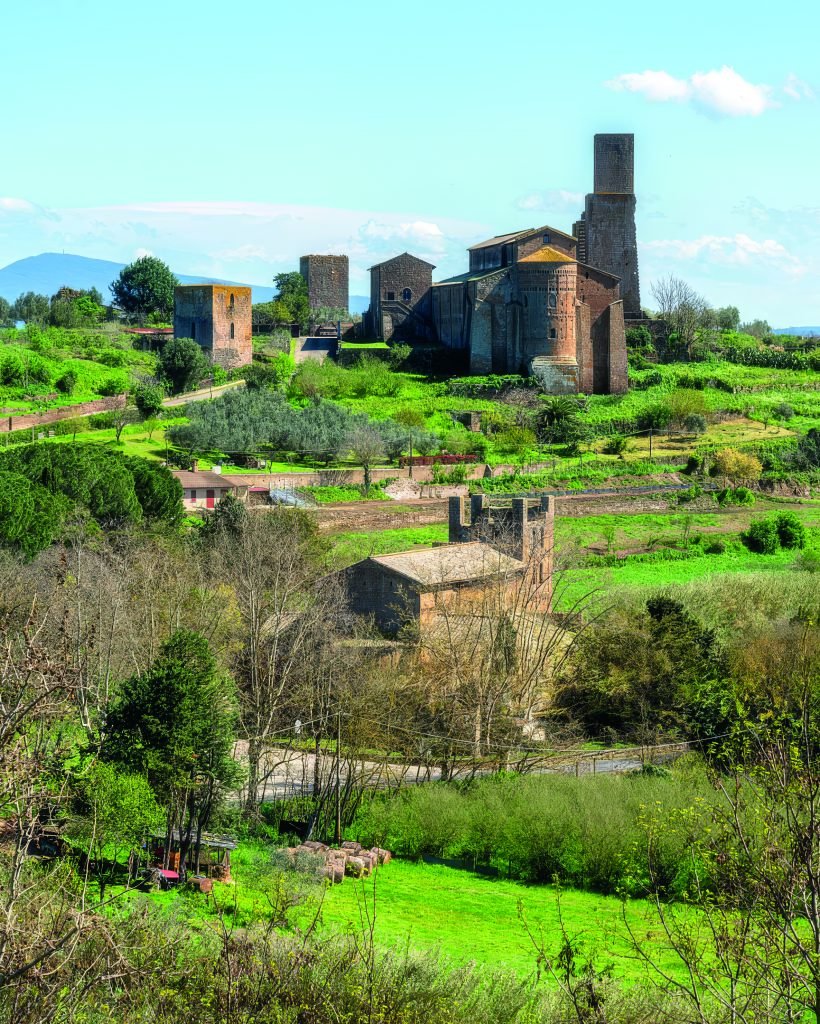
The point where everything converges is the hill that hosts St. Peter's Basilica. Isolated just enough to be perceived as necessary, it imposes itself with a force that requires no dramatic gestures. The façade is compact, essential, punctuated by details that emerge only upon careful observation.
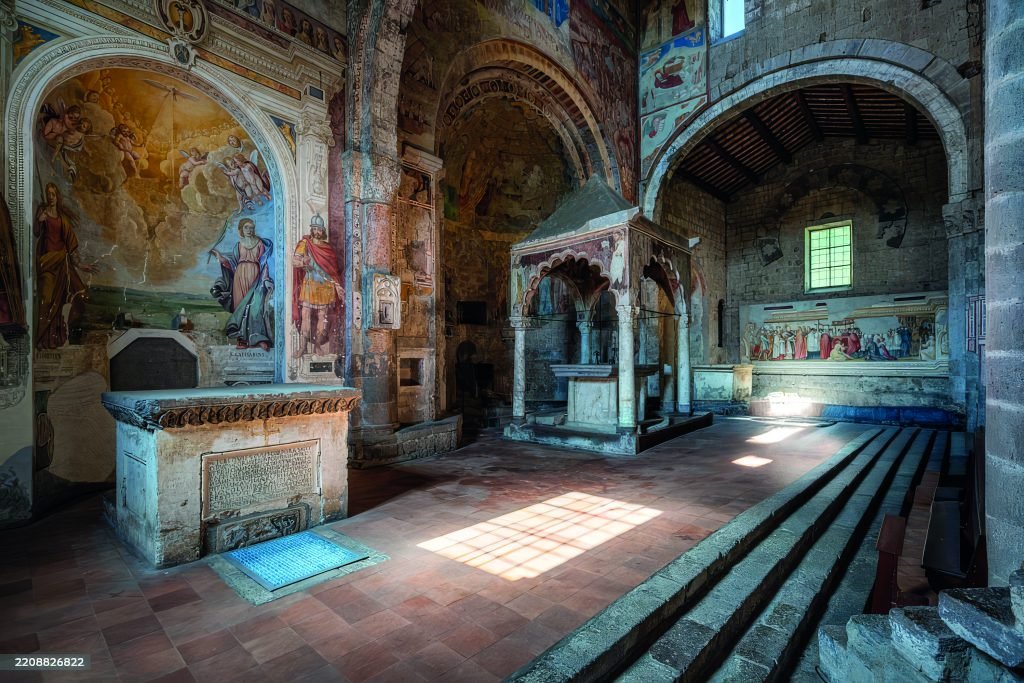
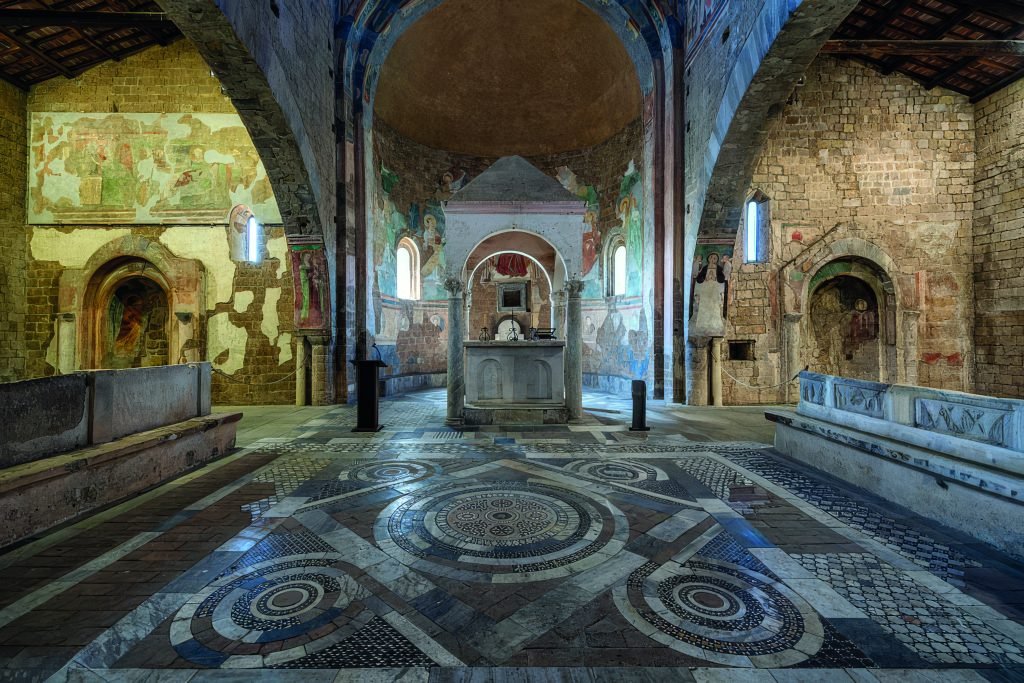
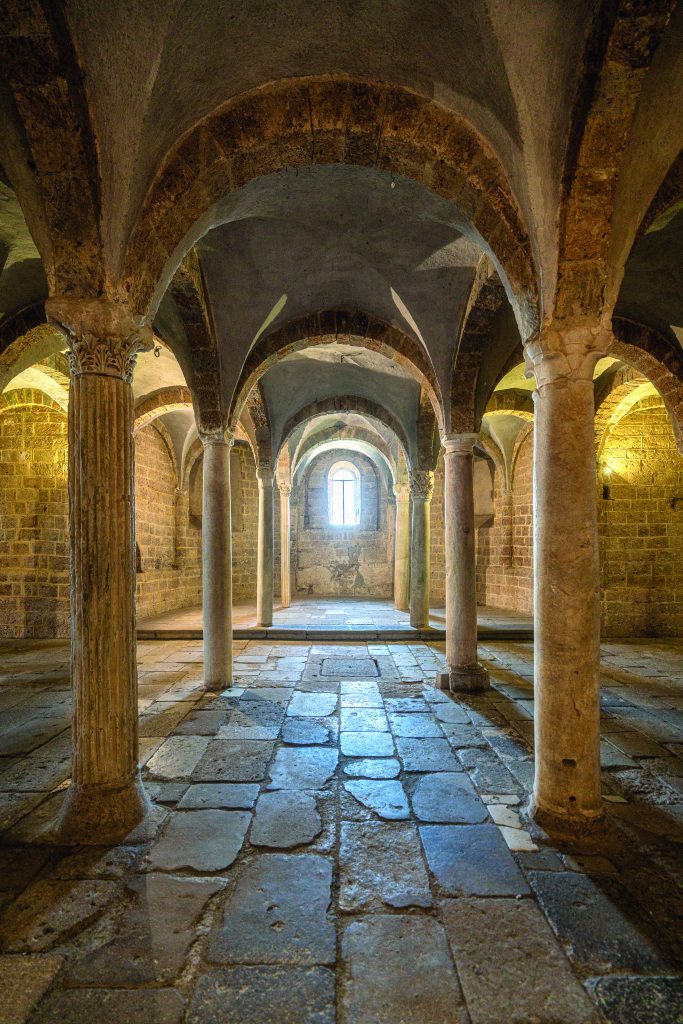
Inside, the space expands. The Cosmatesque floors create a precise visual rhythm, while the surfaces reveal a layering of faith and human gesture. There is no emphasis, but rather a constant striving for balance. Not far away, the Basilica of Santa Maria Maggiore introduces a more intimate variation. Here, light enters more discreetly, resting on the columns and gliding over the capitals. The atmosphere is intimate, almost domestic, but no less intense. The two basilicas do not compete: they complement each other, offering two different ways of inhabiting the same time.
Leaving the walls, the landscape unfolds seamlessly. The hills unfold with a regularity that's never monotonous. Olive groves trace delicate patterns, cultivated fields construct shifting geometries. Below, the Marta River Valley guides the gaze toward a horizon that needs no interruption. Here, nature isn't a backdrop, but a supporting structure. It doesn't decorate, it supports. The surrounding territory preserves traces that reveal themselves only to those who slow down. Roman ruins, ancient paths, roads untouched by modern times. Traveling through this area means accepting a different logic, less direct, but more coherent. There are no fixed itineraries, only possibilities. Every detour is an opportunity, every distance has a meaning.
Even the food follows this standard. The flavors don't seek complex interpretations. The oil, dense and precise, speaks of the land without mediation. The local wines maintain a structure that reflects the landscape: dry, defined, without concessions. The dishes are born from a tradition that doesn't need reinventing, because it has never been interrupted. Sitting at the table here means continuing the story, not changing it.
Tuscania, ultimately, does not offer an experience to be consumed, but a space to inhabit, even if only for a limited time.
It doesn't require constant attention, but presence. It's a place that never imposes itself, and that's precisely why it manages to linger. It doesn't leave an immediate impression, but builds a slow memory that emerges later.
And it is perhaps in this capacity for subtraction, in this elegance that does not seek confirmation, that its most authentic value lies.