
THERE'S SOMETHING THAT DOESN'T AGE, BUT SHARPENS ITS CHARM WITH EACH DECADE. SOMETHING THAT DOESN'T RUN BY: IT LIGHTS BY. THAT DOESN'T SHOW OFF: IT APPEARS. BORN TO AMAZE, RAISED TO SEDUCTE, TODAY IT CROSSES THE STREETS WITH THE ELEGANCE RESERVED FOR LEGENDS. WHERE IT PASSES, TIME STOPPES. OR PERHAPS IT ACCELERATES TO KEEP UP WITH IT.
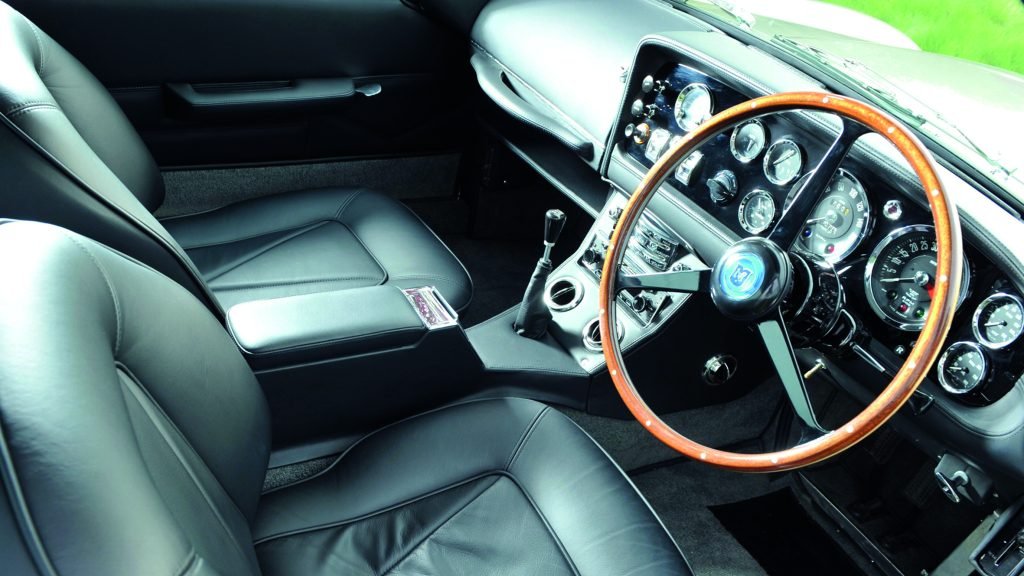
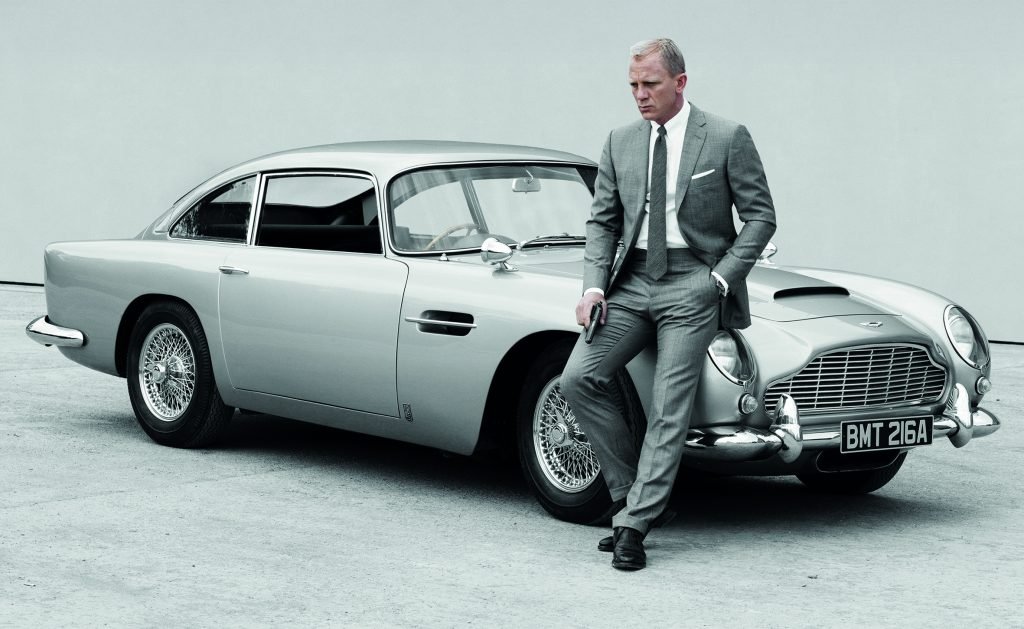
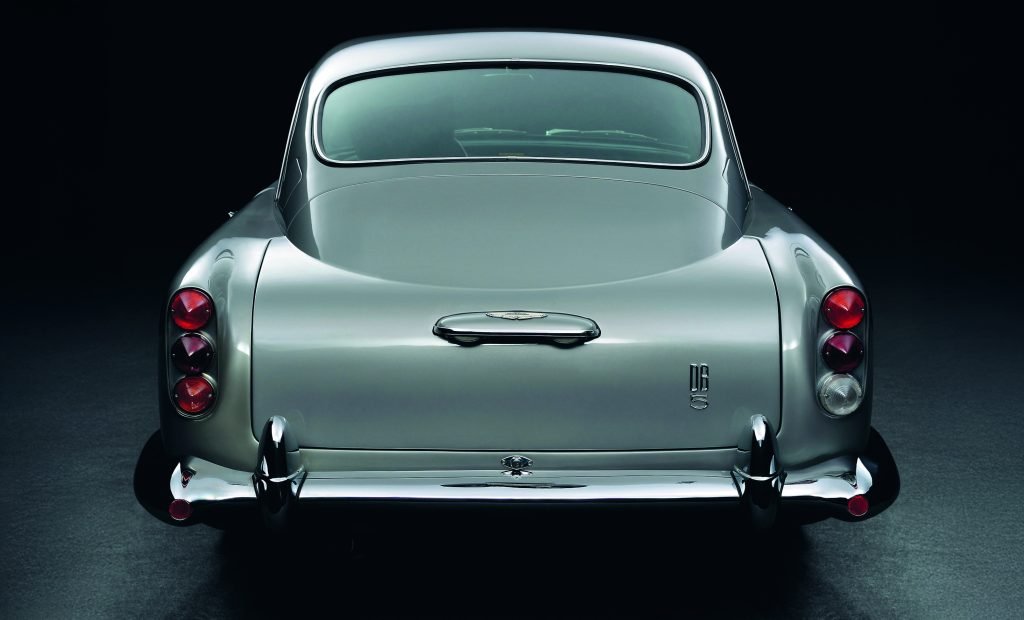
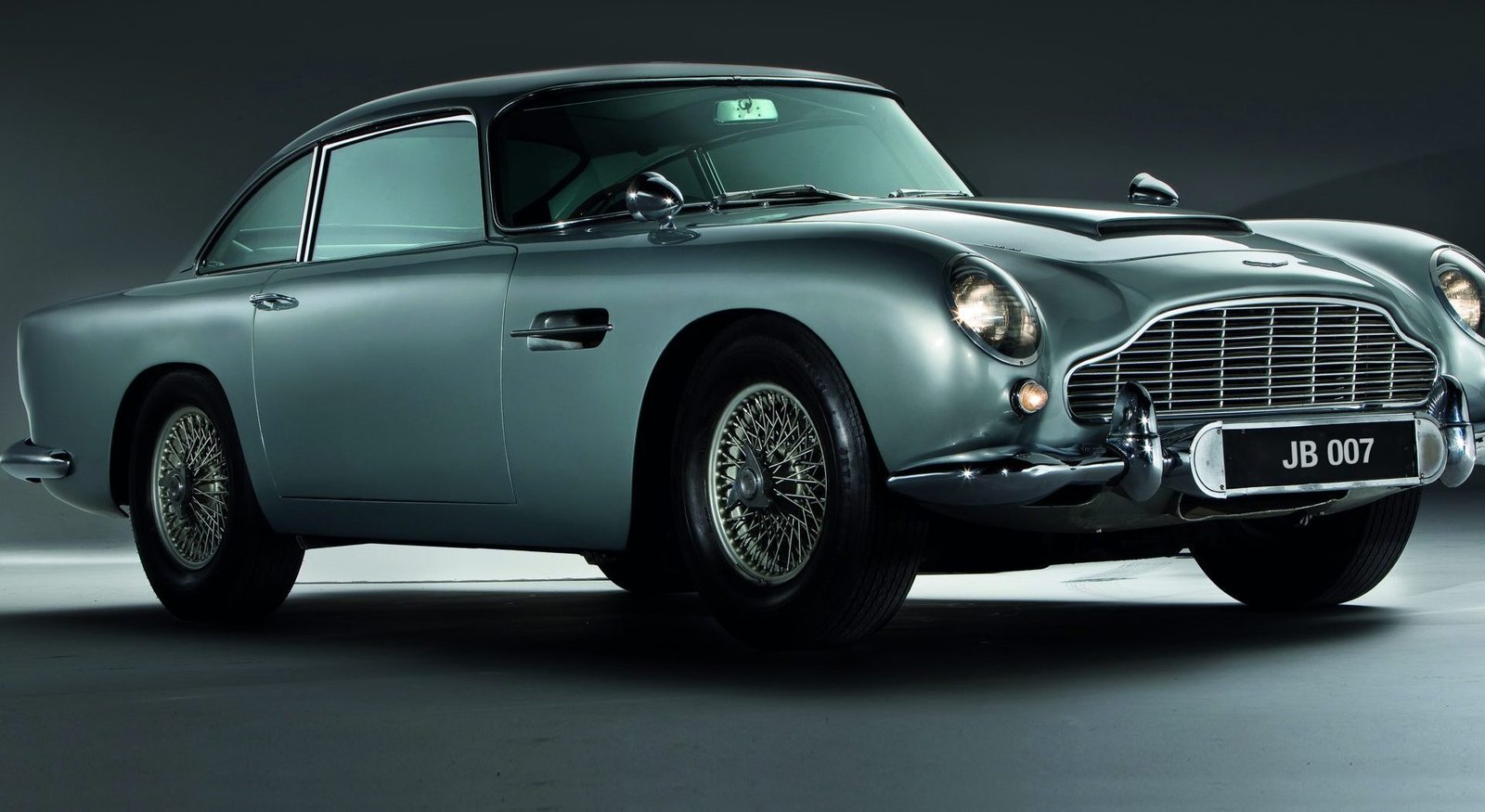
There's a distinctive sound that precedes its arrival: a deep, velvety, unmistakable rumble. A sound that doesn't burst forth, but caresses the air, as if the asphalt itself were waiting for it. Then you glimpse it in the distance, its shiny bodywork caressed by the sunlight, its elegant lines seemingly sculpted by the wind. It's the Aston Martin DB5, Not just a car, but a masterpiece of British design, an absolute symbol of elegance and glamour, an icon that has transcended the ages without losing a single ounce of its allure. Introduced in 1963, the DB5 was designed to amaze and seduce. Equipped with a 4.0-liter straight-six engine, Connolly leather interior, and burl wood trim, every detail speaks the language of pure refinement. But more than the numbers, the DB5 impresses with what it represents: the perfect balance of power and grace, a car that doesn't run—it dances on the asphalt, like a ballerina in a tailcoat, suspended between control and passion. And then, of course, there's its connection to the legend: James Bond. The debut on the big screen takes place in Goldfinger (1964), where Sean Connery He drives it with lethal ease, making it an extension of his edgy charm. Since then, the DB5 has accompanied numerous 007 agents – from Pierce Brosnan to Daniel Craig – becoming an integral part of the cinematic imagination. Hidden weapons, ejector seats, rotating license plate: nothing more refined could be conceived for a gentleman with a license to kill. But the DB5 is much more than a movie car. It is the very essence of Grand Touring, designed to be admired and driven where the beauty of nature merges with the elegance of man. The ideal place for a drive – because you don't drive it, you just drive it – could be the Ligurian coast, among the hills of Portofino, where the intense green of the Mediterranean scrub is reflected in the cobalt blue of the sea, and every curve is a poem. Or, in the sweetness of Provence, among lavender fields and villages suspended in time, where a DB5 parked under a plane tree looks like an illustration from an old-fashioned novel. Or again, the English hills of Cotswold, with their golden stone cottages and roads winding through pastures and ancient estates, where the DB5 seems to fit into a landscape designed especially for it, as if every curve had been traced by the elegant stroke of a fountain pen.
Today, more than sixty years after its debut, the Aston Martin DB5 is more than just a classic car: it is a symbol of the eternal, an emblem of British style and international spirit, an object of desire that continues to fascinate collectors, enthusiasts, and dreamers. Watching it pass by is like witnessing an apparition, and driving it is an act of love for an era when beauty was synonymous with quality, and style was not a whim, but a form of respect for the world.
The DB5 doesn't need time. Time tries to catch up with it.