
BETWEEN MARBLE, LIGHT, AND MEMORY, A PLACE WHERE NAPLES CONTINUES TO TELL ITS STORY, CROSSING AGES, VOICES, AND SILENCES WITHOUT EVER STOPPING ITS BREATHING.
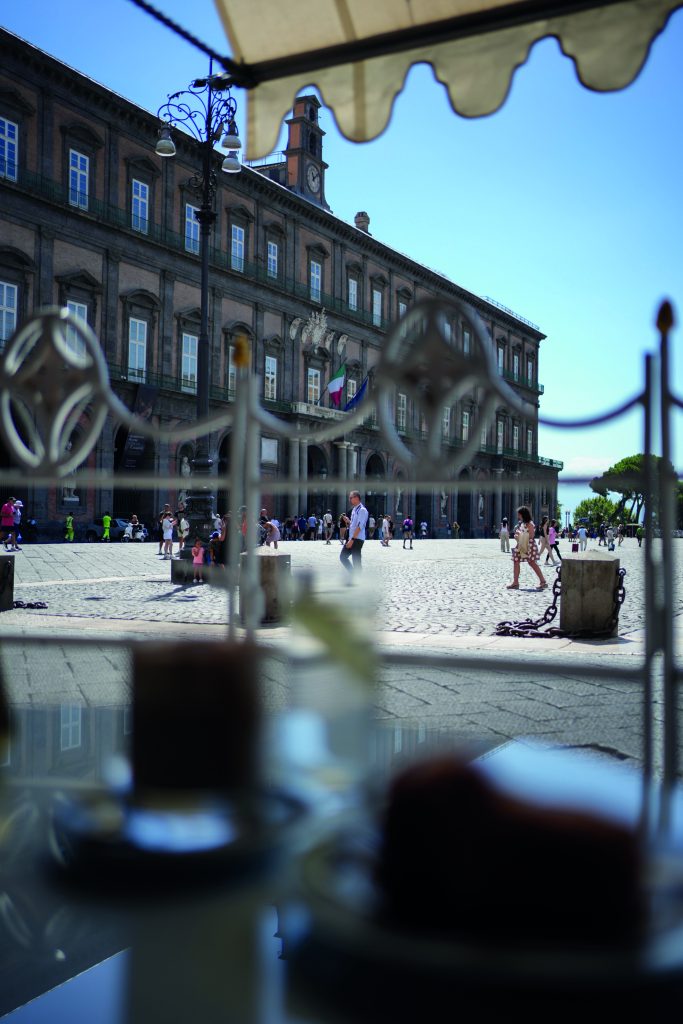
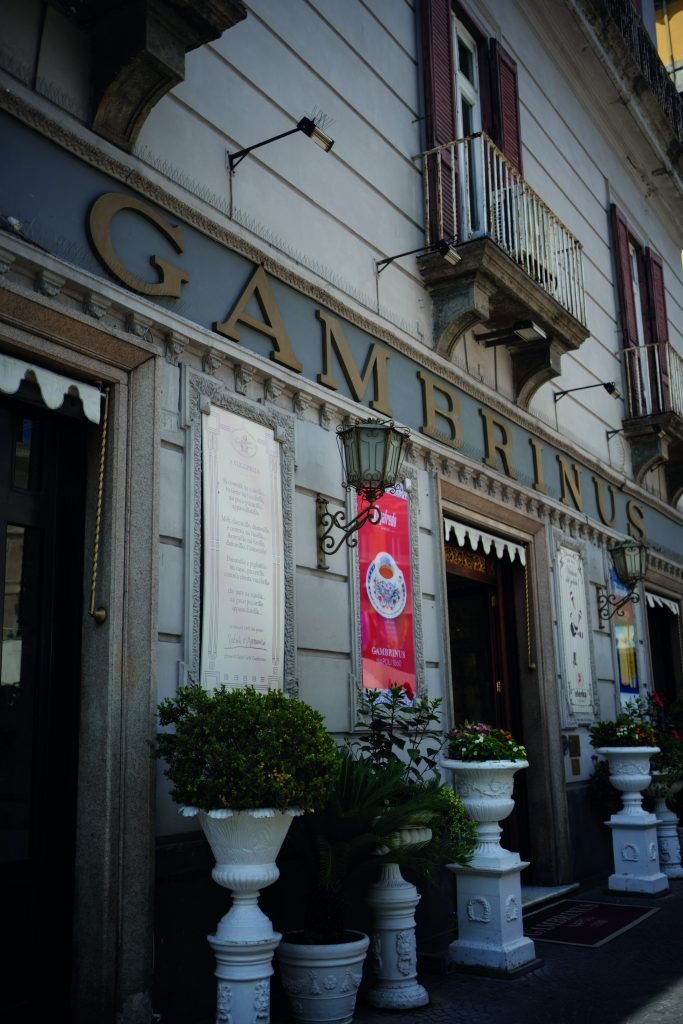
Art gallery, literary café, tea room. The Gran Caffè Gambrinus of NaplesIt's been there forever, in Piazza Trieste e Trento. It doesn't scream, it doesn't move. It observes. The floors
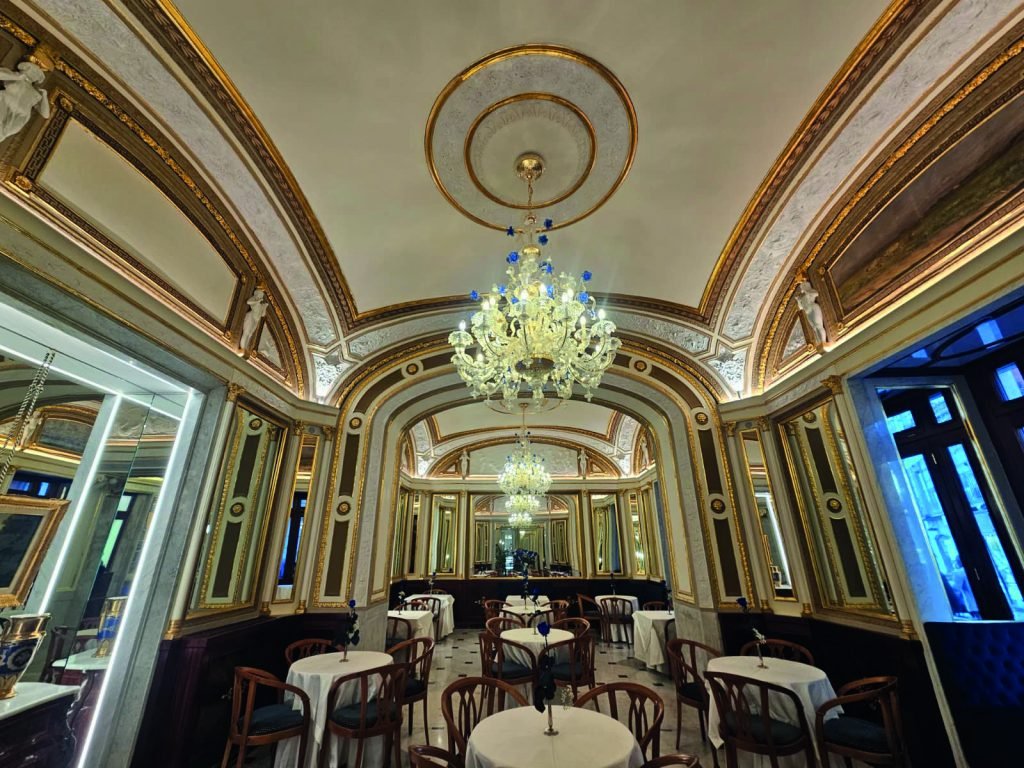
The marble floors creak as visitors walk. The stuccoes breathe, the paintings breathe, the suspended chandeliers tell voiceless stories. It's a timeless place.
It opened in the early 1900s. Naples It was changing. The Belle Époque had taken root in the streets. The Gambrinus was its silent heart. Here, writers, artists, philosophers, and travelers met. People came here to see, listen, and breathe in the city without haste. Every table already had a memory when someone sat down. Every chair knew the weight of dreams and conversations. Sissi ate a violet ice cream. The same taste can still be felt today. D'Annunzio wrote the verses of “A'vucchella”. Matilde SeraShe founded "Il Mattino" sitting at a table, watching passersby hurry toward the port. Croce walked slowly through the rooms, noting silences. Wilde walked with Lord Alfred Douglas, marked by imprisonment and unspoken words. Hemingway drank coffee and wrote short sentences in a notebook. Sartre sat and looked at Naples. Everyone left their mark. Everyone passed. The echo remains. The rooms of the Gambrinus have seen time. Some were closed, forgotten, occupied by shops. The stucco covered. The floors hidden. The ceilings forgotten. But nothing has been completely lost. Memory endures more than walls. Memory waits for the right moment.
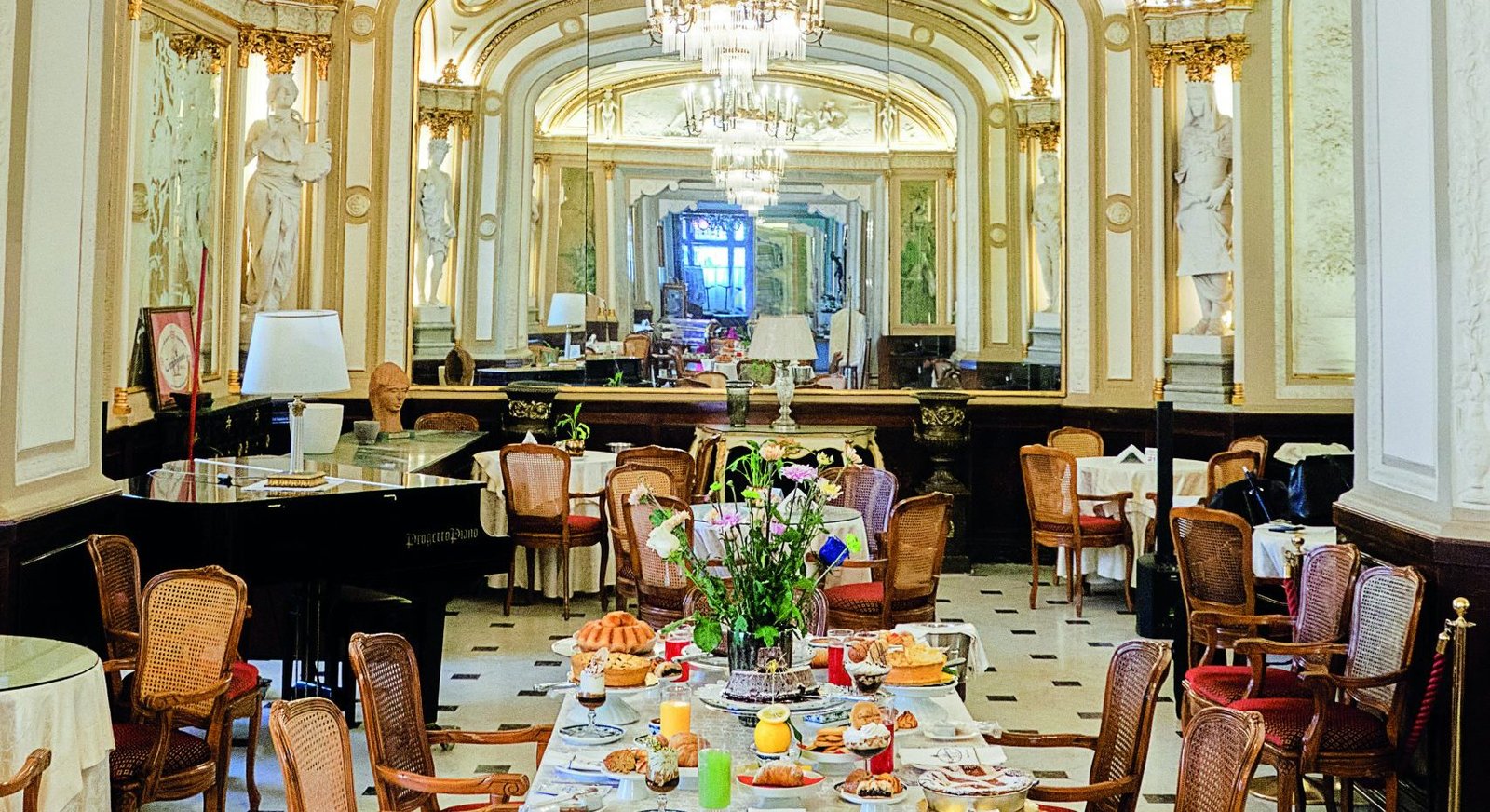
In recent years, the Sergio-Rosati family The thread has picked up again. The rooms on Via Chiaia have joined the main body of the café. The rooms breathe together. The Carrara marble floors have been brought back to life. The frescoes smile again. The stuccos take shape again. The fixtures tell of the hands that touched them. Every detail has been treated with respect. No rush. Every piece has a story to tell. The Superintendency has kept watch. It has approved everything. Michael Sergio The battle began in the 1970s. He wanted to restore the café to its original form. He fought silently, without fanfare. No one believed it was possible to restore it. Now the Hall of Mirrors is open. Its history is revealed in its entirety. It can be read between the lines of the stucco. It can be felt in the reflections of the chandeliers. In the tables, the chairs, the sofas. The Belle Époque still breathes here, as it did then.
His sons Arturo and Antonio, and his grandchildren Massimiliano, Michele, and Benedetta, carry on the business. They speak little. They work hard. They say they remember their father. They say that every table, every chair, every painting is a fragment of the city. They don't talk about money. They talk about time. They talk about memory. The coffee isn't theirs. It belongs to those who come in and listen.
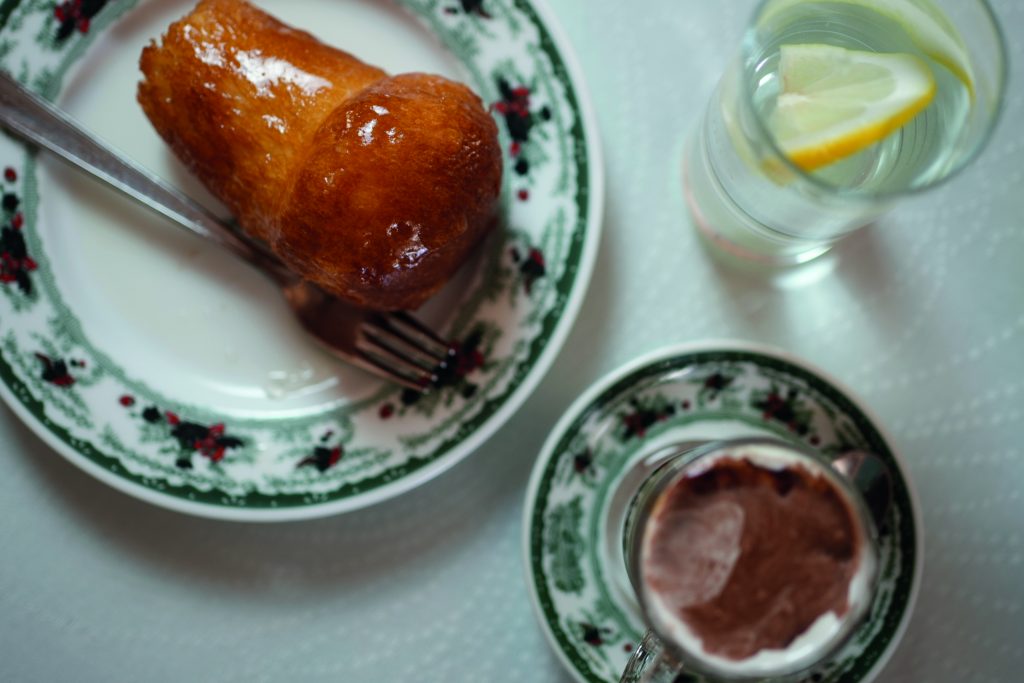
Sitting in the living room means stopping. Looking at the floor, the ceiling, the chandeliers. Touching the marble. Hearing the echo of the footsteps of those who passed before. The Belle Époque isn't in books. It's in the tables, the sofas, the walls. Those who enter see everything. Those who stay hear everything. Every room is many rooms. Every corridor is many corridors.
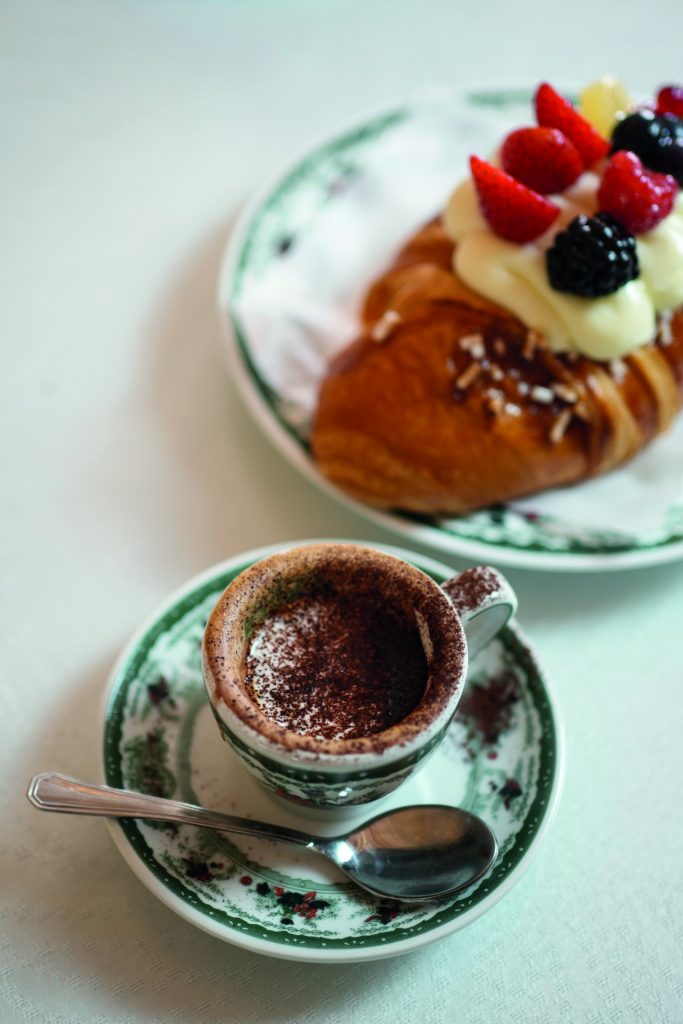
Everything comes together in silence. The Art Nouveau decorations and frescoes were covered by the shop panels. Now everything has returned. The Hall of Mirrors dazzles those who enter for the first time. The light falls on the walls and floors. Each table tells the story of an era. Each chair recalls a step. Tourists, residents, and enthusiasts breathe the same time. The Gambrinus is not a café. It is the city that walks. It is the city that looks forward without forgetting. It is Naples that sits and listens. Coffee is slow. Coffee is patient. Art is patient. People come and go. The paintings remain. The stucco remains. The marble remains. The memories remain. The Gambrinus looks at everyone without judging. The city comes and goes. The café remains. Always. Every table has a memory of Sissi, by D'Annunzio, by Serao, by Croce, by Wilde, by Hemingway, by Sartre. Every table still hears footsteps and words. The chairs know how to sit with respect. The chandeliers dimly illuminate, as if they know that light must not steal space from time. The rooms breathe, speak softly, tell stories. Those who enter sense it. Those who stay feel it. History still lives here, amidst marble, wood, glass, and memory. The walls whisper stories of encounters, of coffees drunk, of ideas born and left behind. The ancient rooms open onto other rooms, connected by time, by floors, by stucco.
Every detail is a thread of history. Everything is together. Everything is silent. Everything is light. Naples enters the café. Coffee enters the city. And those who sit at the tables become part of the memory.