
ANCIENT AND CULTURED, MYSTICAL AND VIBRANT, KRAKOW IS A CITY WHERE TIME BLENDS WITH LEGEND, WHERE THE MELANCHOLY MUSIC OF THE HEJNAŁ RINGS AMONG MEDIEVAL ROOFS AND THE FRAGRANCE OF BIGOS TELLS THE MEMORY OF A PEOPLE. FROM THE ROYAL HALLS OF WAWEL TO THE SALT MINES OF WIELICZKA, FROM THE ALLEYS OF KAZIMIERZ TO THE CAFES OF RYNEK, EVERYTHING SPEAKS OF BEAUTY, RESILIENCE, AND POETRY.
A special light envelops Krakow, a golden glow that seems to filter directly from the memory of time. It is Poland's oldest and most cultured city, but also the liveliest, the youngest, the most surprising. Every stone of its historic center—a UNESCO World Heritage Site—tells a story of kings and students, of merchants and poets, of music that wafts through the alleys, and of silences that weigh like prayers.
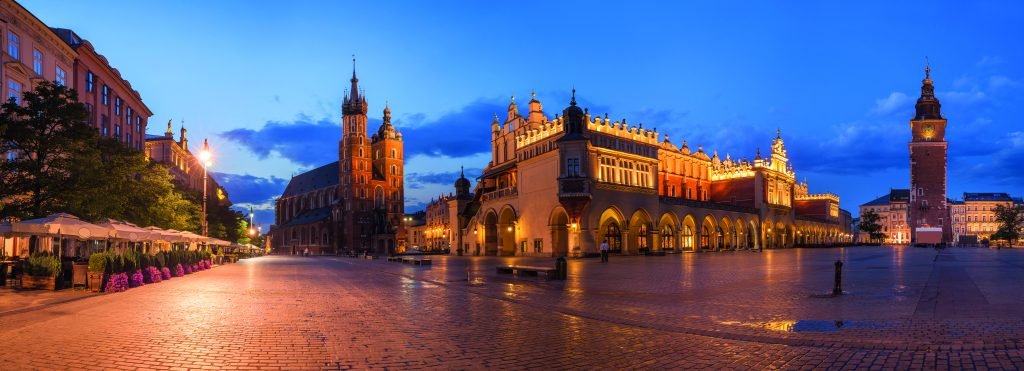
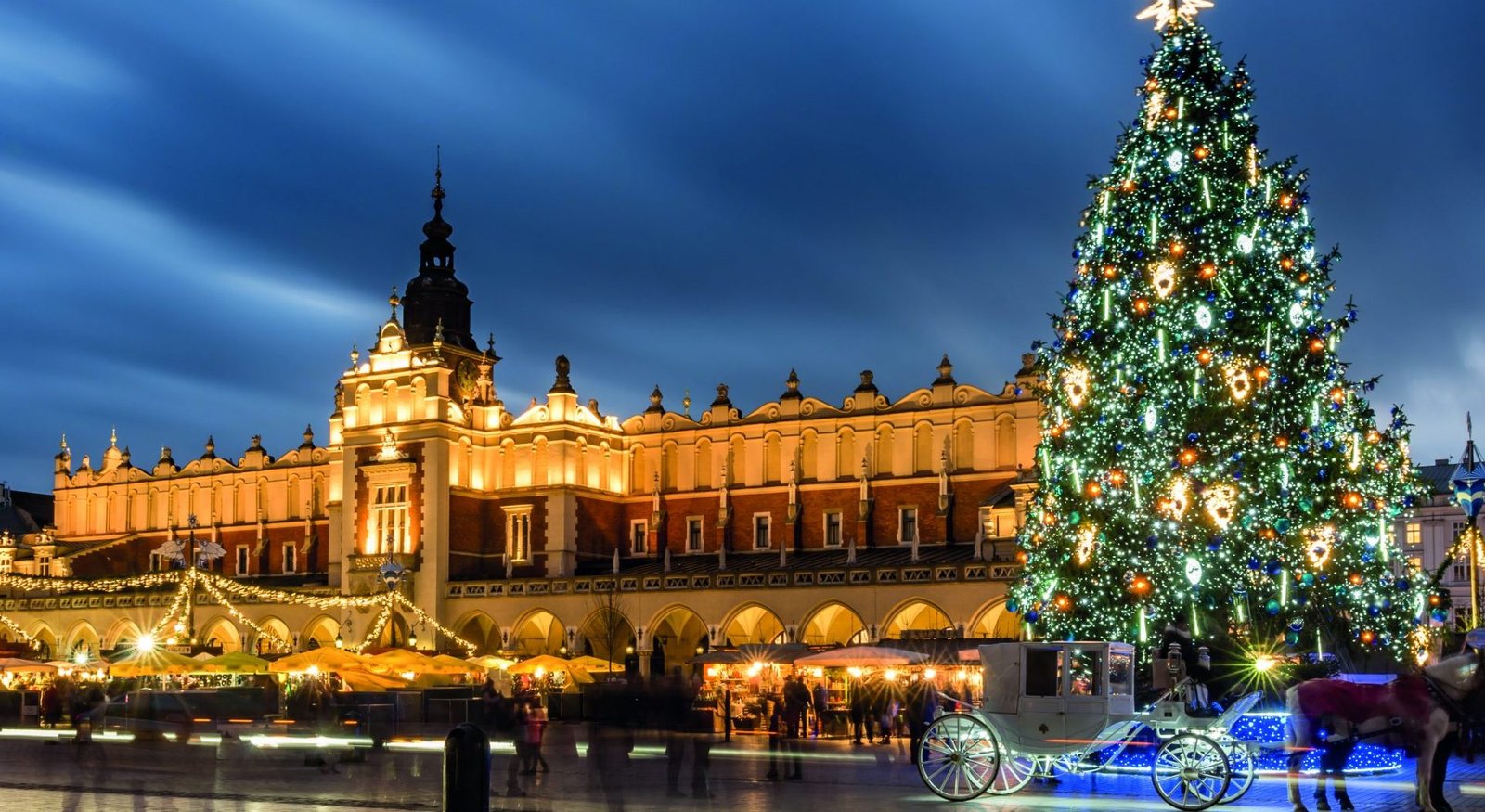
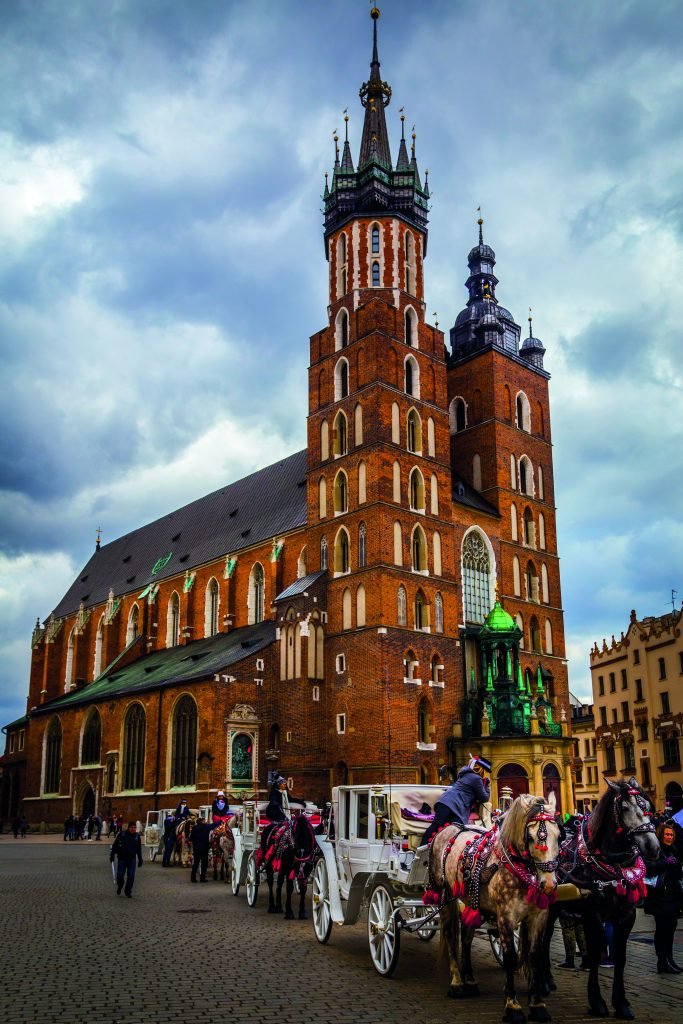
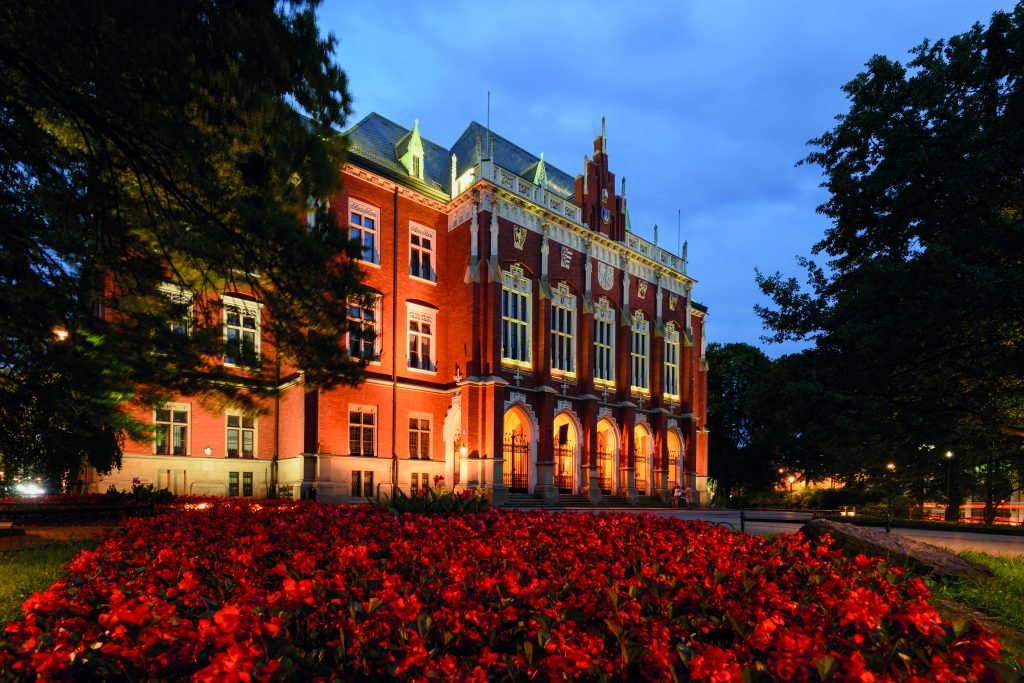
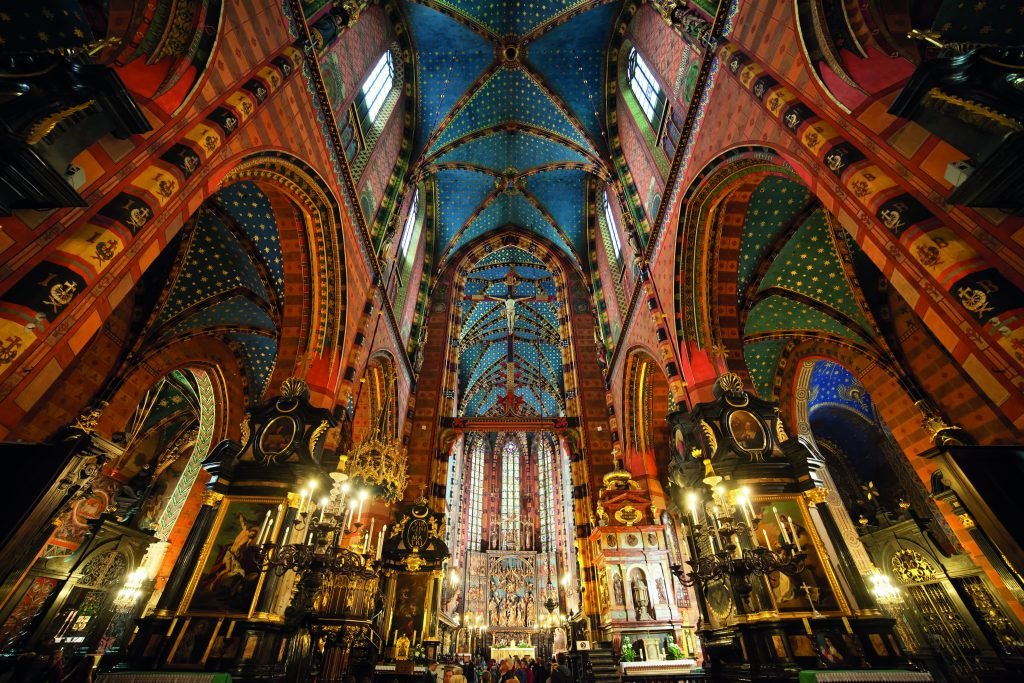
The beating heart of Krakow is Rynek Główny, the main square, the largest medieval square in Europe. Here, time seems to have stood still among the arcades of the Sukiennice, the ancient Cloth Hall, where amber, ceramics, and local crafts are still sold today. In the center of the square, horse-drawn carriages mingle with elegant cafés and street performers. Every hour, from the tower of St. Mary's Basilica, the melancholic sound of the Hejnał rises, the trumpet abruptly interrupted to recall the 13th-century Tatar siege: a melody that has become part of the very heart of the city. Not far away, the Jagiellonian University, founded in 1364 by Casimir the Great, is one of the oldest in Europe. Copernicus and Pope John Paul II studied within its walls, and even today its Renaissance courtyards preserve the noble spirit of knowledge. Walking under the porticoes of the Collegium Maius means traversing centuries of knowledge, observing ancient globes and astronomical instruments, perceiving the discreet echo of enlightened minds who drew the first maps of the sky here.
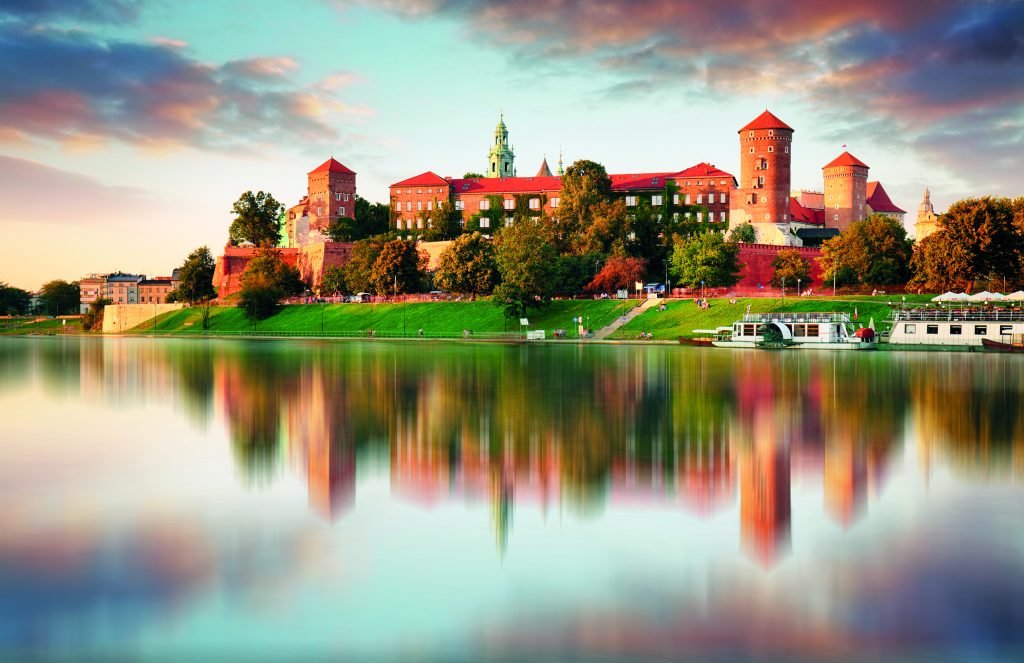
From the upper town, the gaze drifts south, where Wawel Castle dominates the Vistula River with its regal grandeur. A symbol of the Polish nation, Wawel is a place of memory and legend. According to tradition, the dragon Smok Wawelski lived in its caves, defeated by a cunning shoemaker who tricked him with a ruse. But it is above all in the Renaissance halls, among Flemish tapestries and royal tombs, that one breathes the grandeur of ancient Poland. From the courtyard, one of the most poetic views in Europe opens up: the river slowly flowing, the towers reflected in the water, the skyline of rooftops fading into the mist.
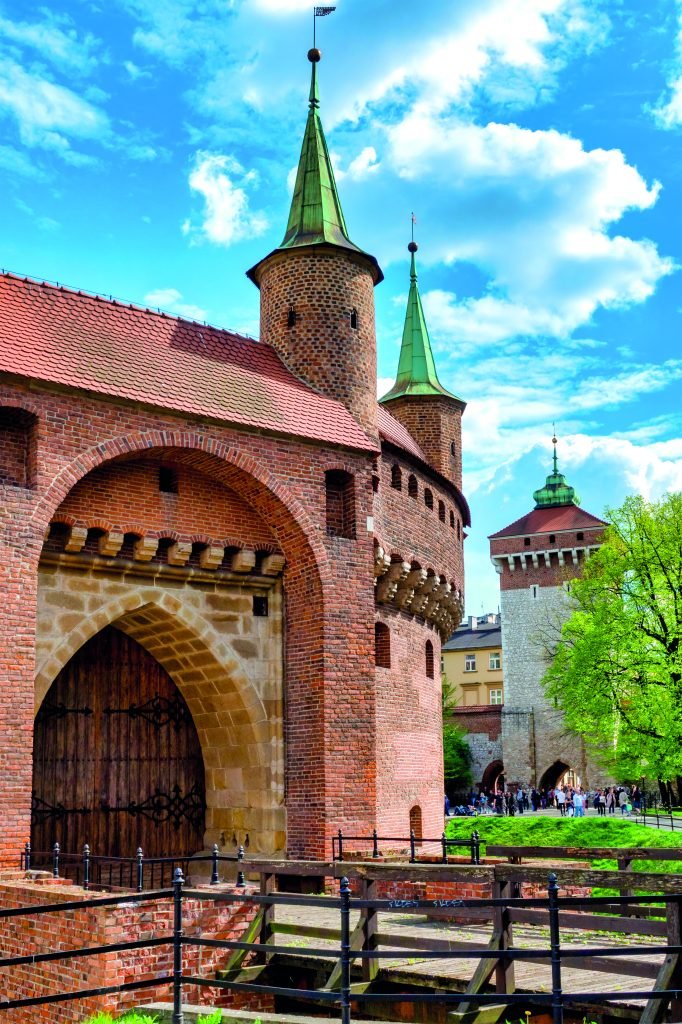
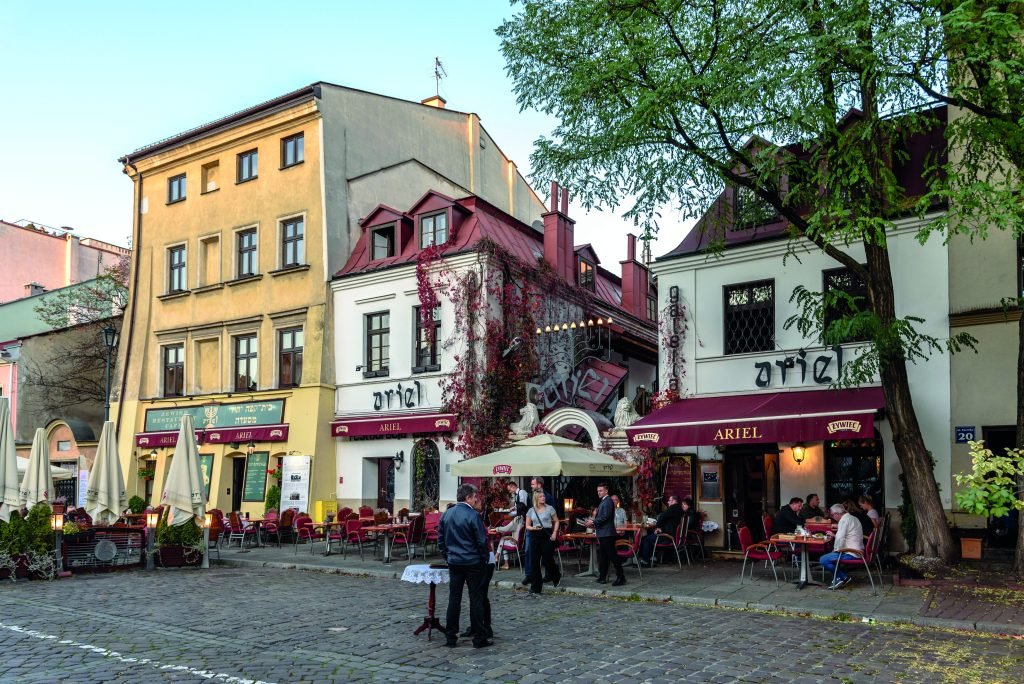
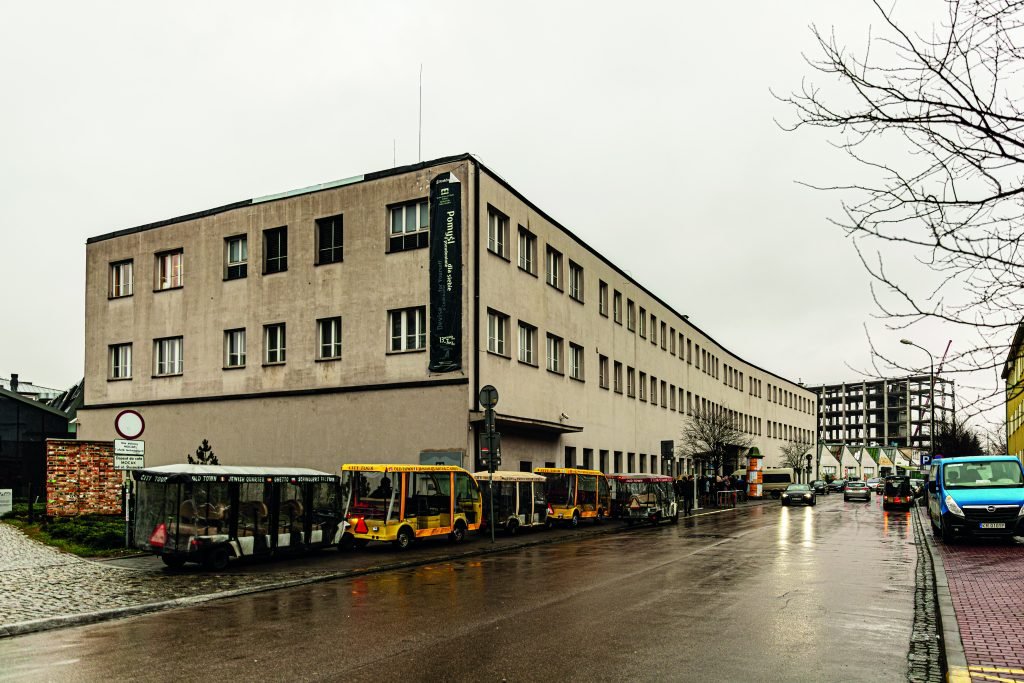
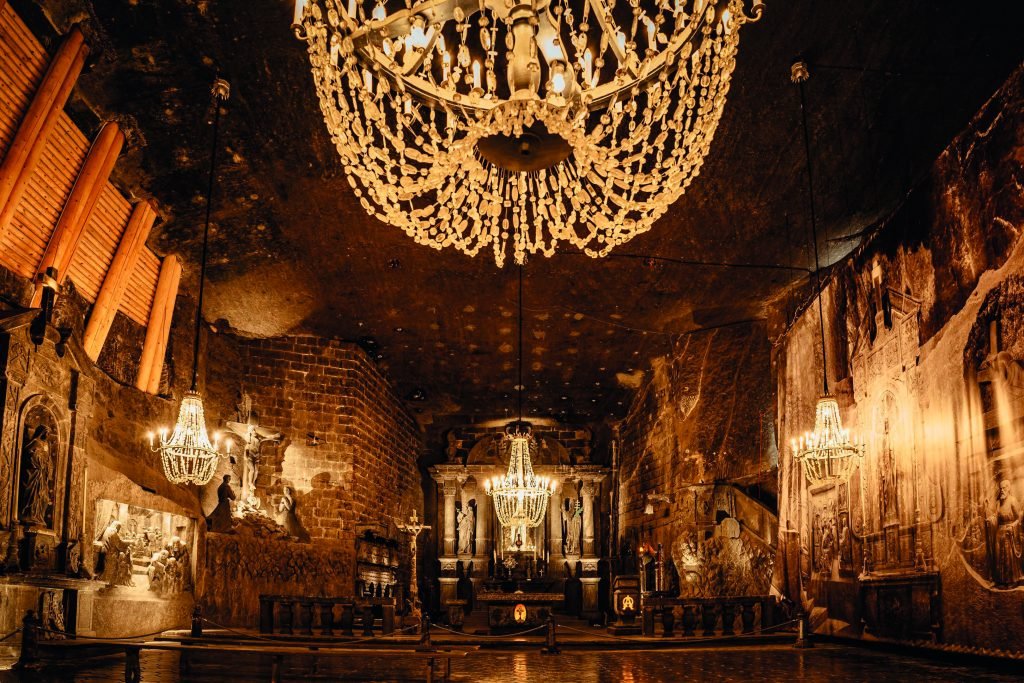
Krakow is also a city of recent memories, unafraid to look its own history in the eye. Oskar Schindler's Factory, now a museum, is a silently moving place: a touching journey through occupied Krakow, the persecution of the Jews, and the courage of those who decided to save lives, risking their own. From here, it's easy to reach Kazimierz, the ancient Jewish quarter, now reborn as a center of culture, music, and conviviality. The restored synagogues, hidden courtyards, art shops, and small bistros evoke a world lost but not forgotten. At sunset, amid the warm lights of the cafes and the scent of spices, a suspended atmosphere reigns, where memory becomes life and life becomes memory. Just outside the city, a journey underground reveals another wonder: the Wieliczka salt mine, active since the 13th century. Descending over three hundred meters, you enter a world carved into the rock, made of tunnels, statues, and candelabras entirely made of salt. At its heart lies the Chapel of St. Kinga, a breathtaking underground masterpiece—a sacred and unreal place, where everything sparkles with mineral light. But Krakow is more than just history and art. It's also a capital of flavor. Pierogi, dumplings filled with meat, cheese, or potatoes, are the emblem of Polish cuisine, a simple yet perfect dish. Alongside them, bigos, a sauerkraut and meat stew with the scent of winter and home, captures the country's authentic soul. Sitting in one of the city center's bars, amidst jazz music and glasses of aromatic vodka, you realize that the true essence of Krakow lies precisely here: in its ability to unite melancholy and joy, past and future, spirit and matter. Before leaving the city, it's worth stopping by the Barbican, the ancient red-brick defensive bastion that once protected the medieval walls. Today it is a symbolic gateway, to be crossed slowly, like a boundary between two worlds: that of ancient splendor and that of a gentle, discreet modernity that has managed to preserve its soul.
Krakow is like this: cultured and popular, sacred and vibrant, elegant and poignant. A city you don't just visit—you live it, you listen to it, you carry it within you.