
There are photographers who spend years searching for their own visual identity, honing a unique style until it becomes recognizable at first glance. And then there are photographers like Denise Maxwell, whose voice emerged not through limitation, but through movement—through the ability to adapt, evolve, and remain open to whatever happens before her lens.
For Denise Maxwell, photography was never part of a carefully constructed plan. It didn't begin as a childhood obsession or a pre-defined professional path. Instead, it emerged in a moment of uncertainty, gradually transforming from a simple possibility into a true life transformation. What began as a response to change evolved into a visual language defined by versatility, resilience, and a deep, instinctive understanding of people.
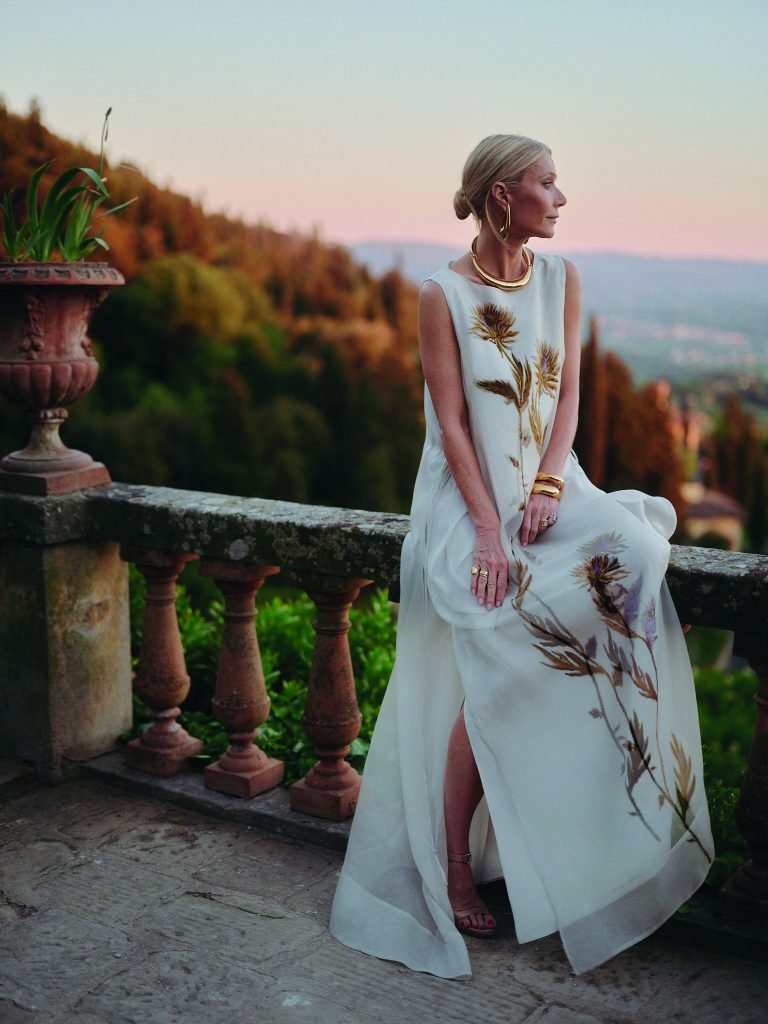
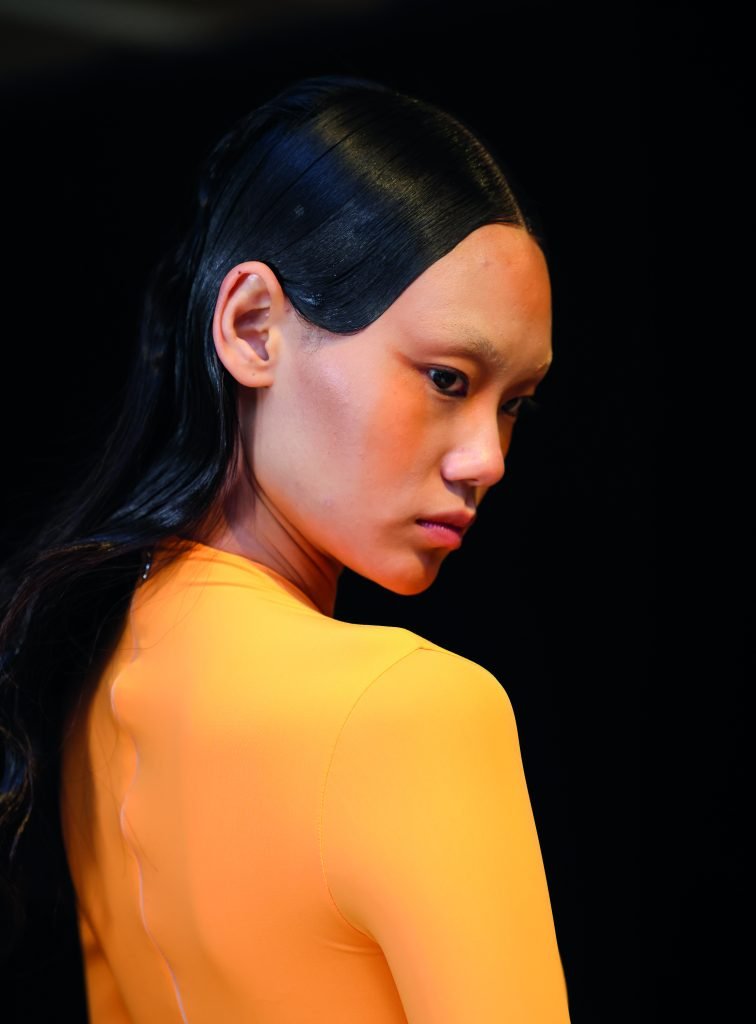
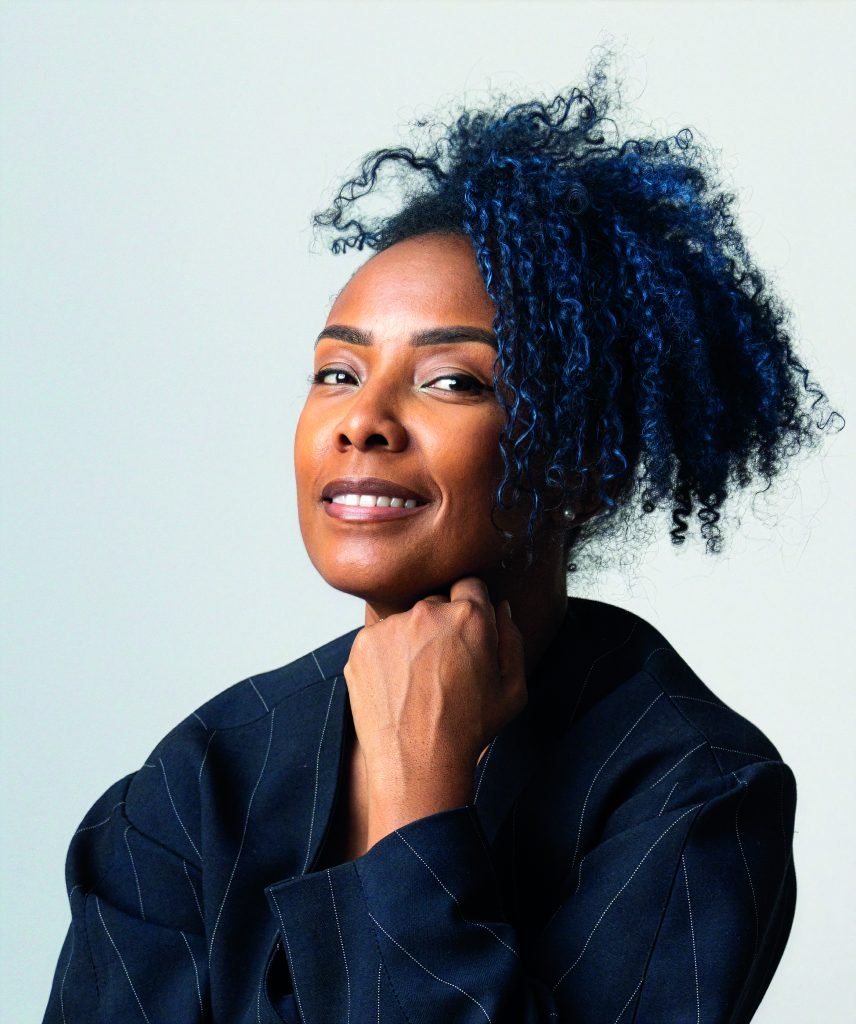
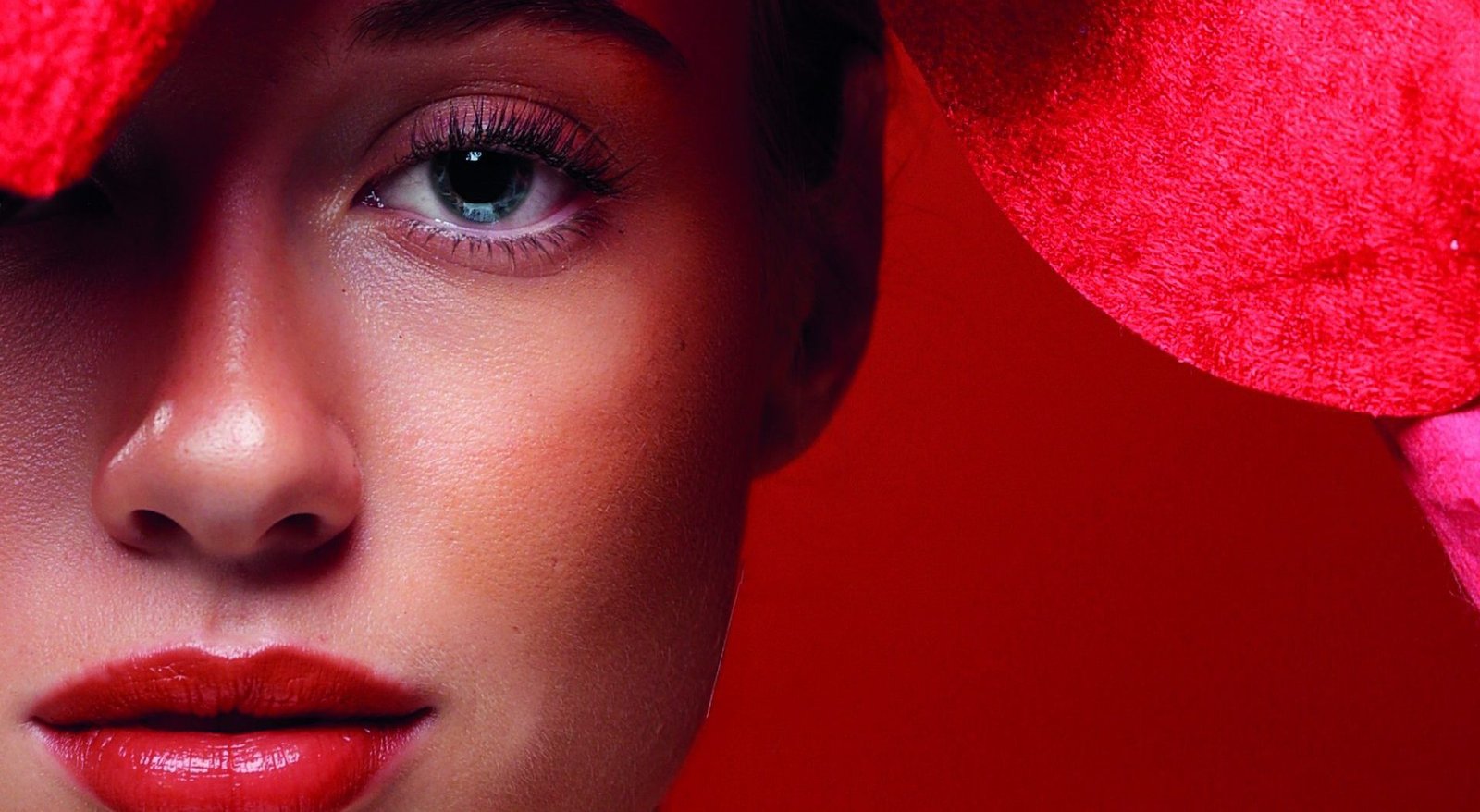
Based in United Kingdom, Maxwell is the founder and creative soul of Lensi Photography, a multi-genre reality capable of moving effortlessly between different disciplines. Fashion, documentary, portraiture, sports photography, commercial campaigns, backstage, and live events coexist within a portfolio that defies rigid classification. Rather than confine himself to a single aesthetic language, Maxwell has built his career on the ability to adapt: quickly reading a situation, understanding its emotional rhythm, and translating it into immediate and authentic images.
Before photography became his profession, his life had a different direction. Maxwell worked within the NHS and in areas related to social issues, including support for victims of domestic violence and youth services. These experiences have profoundly influenced her photographic approach, sharpening her sensitivity to human behavior and teaching her to navigate complex contexts with empathy, attention, and awareness.
It was only after a layoff that photography began to emerge as something more than a personal interest. What initially seemed uncertain soon revealed itself to be something much more stable and profound. The camera became both instrument and language: a means to narrate not only subjects, but also energy, vulnerability, tension, and presence.
Unlike many photographers who quickly settle on a specific specialization, Maxwell has consciously chosen to turn diversity into a strength. Refusing to be confined to a single genre has become a central element of his creative identity. One day he might find himself photographing the intensity of professional athletes during an international competition; the next, the controlled chaos backstage at a fashion show. This constant shift between different worlds is no accident: it is the very heart of his work.
Her career has taken her from London Fashion Week to major international sporting events, including Commonwealth Games, where she worked as an official photographer. In every context, Maxwell demonstrates the same instinctive precision: the ability to recognize the exact moment when expression, movement, and atmosphere perfectly intersect.
This ability to move fluidly between different disciplines has allowed his work to reach a wide range of audiences. His images have appeared in campaigns, exhibitions, editorials, and international media productions, including documentaries broadcast by the BBC. Yet, despite growing recognition, his approach is free of theatricality. His method remains concrete, essential, and deeply rooted in observation.
The accolades came naturally. For his contributions to photography and the arts, Maxwell received an Honorary Doctorate from the University of Wolverhampton, an achievement that reflects not only his achievements but also his impact on the contemporary photography community. An accolade built not on predictability or privilege, but on the ability to continually reinvent himself over time.
At the heart of Maxwell's photography is a seemingly simple philosophy: be prepared.
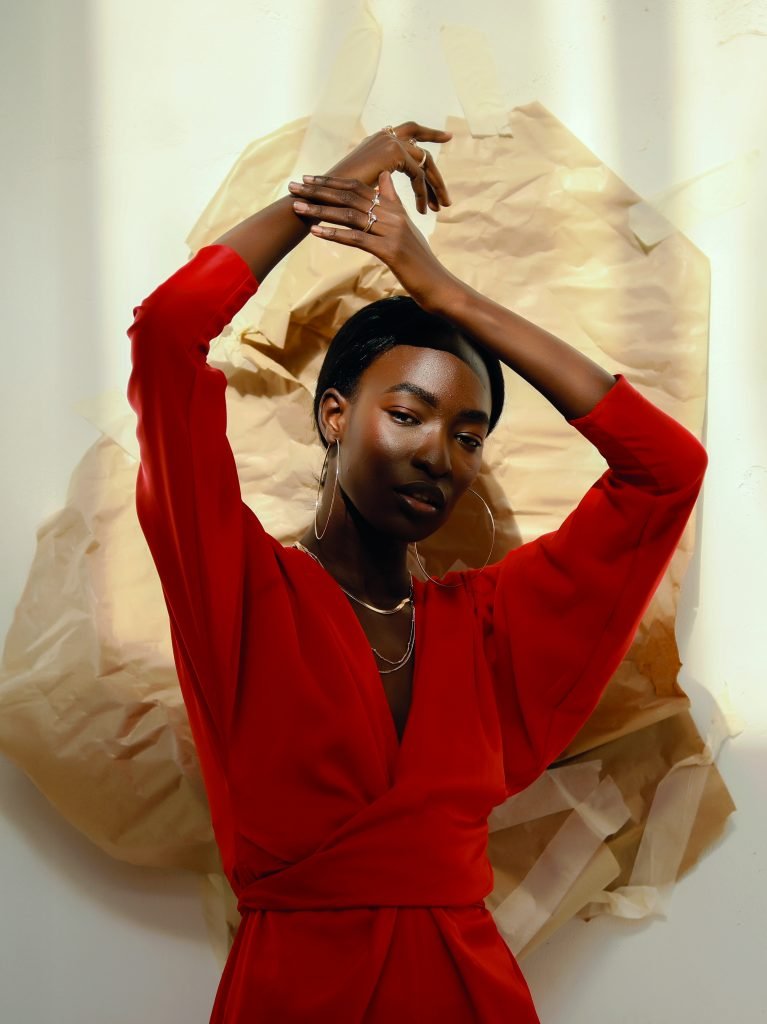
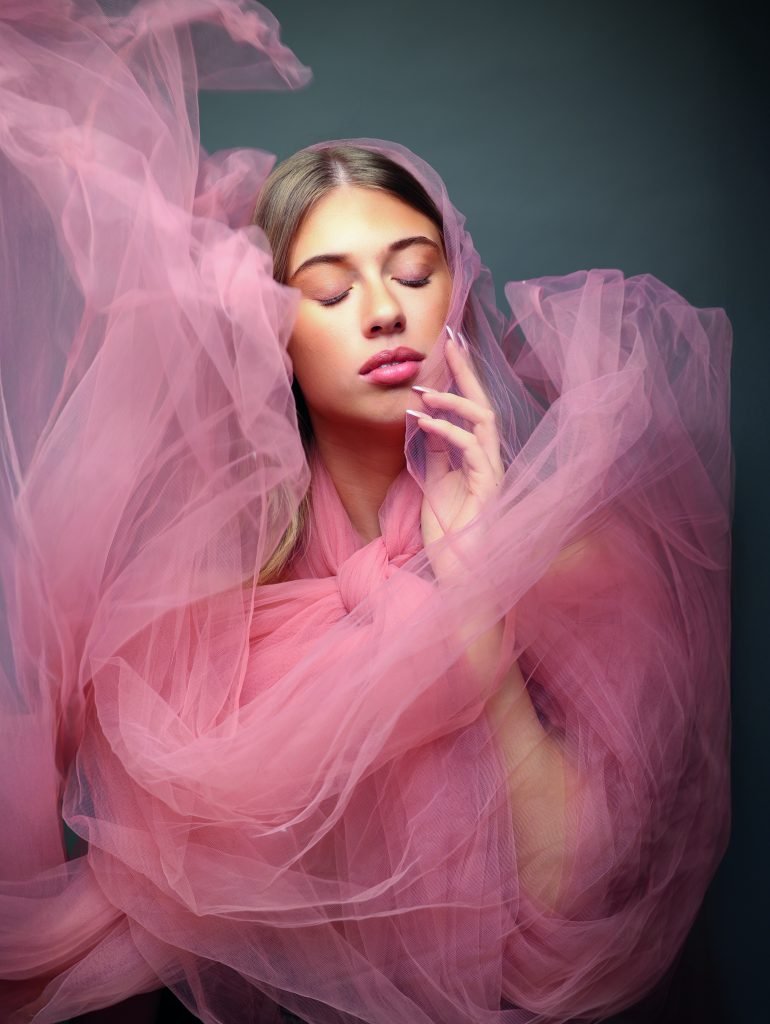
Whether it's the rapid pace of a sporting event, a fleeting moment behind the scenes, or an intimate portrait, her work is born from a balance between preparation and instinct. Technique matters, but so does intuition. The most powerful images often exist only for a fraction of a second, and recognizing them requires attention even before reaction. Her visual language also lacks rigidity. Maxwell never applies the same formula to every subject. Instead, her images react to the emotional temperature of their surroundings. Some photographs appear cinematic and constructed, others possess the immediacy of reportage. Together, they form a coherent body of work, not so much in aesthetics as in sensitivity.
Today, Denise Maxwell continues to develop a career that began almost by chance, but has become deeply intentional. From international events to community projects, from commercial campaigns to personal work, she continues to move between different worlds with the same clarity of vision: observing honestly, creating authentic connections, and creating images capable of retaining an emotional presence long after the moment has passed.
His story reminds us that photography isn't just about mastering technique or constructing an image. It's about the ability to remain open to transformation. To learn to see differently. And sometimes, the most important journeys begin precisely when all certainty disappears.