DREAMER, MASTER, VISIONARY: THE MAN WHO REWROTE THE LANGUAGE OF CINEMA AND ENCHANTED THE WORLD WITH THE POWER OF IMAGINATION
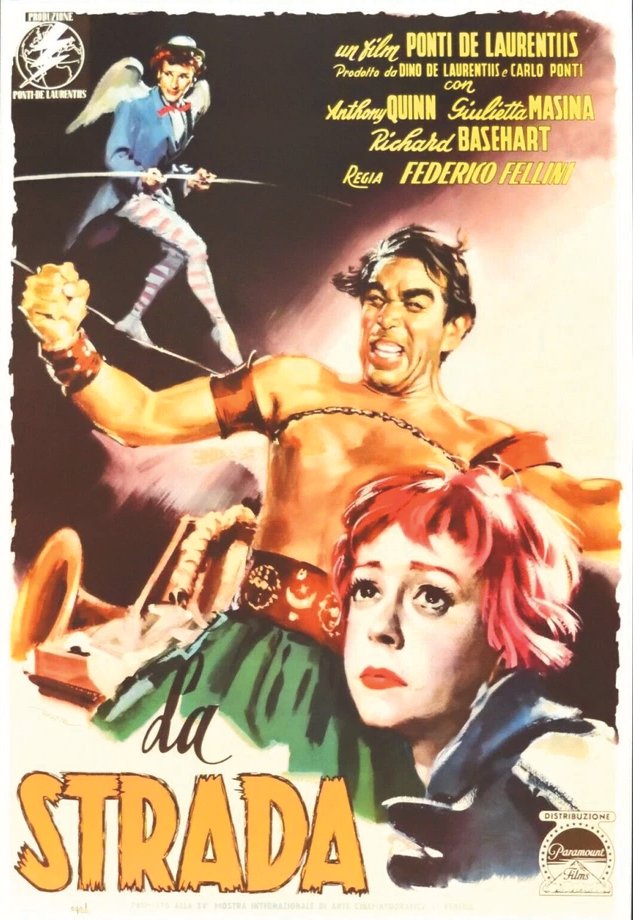
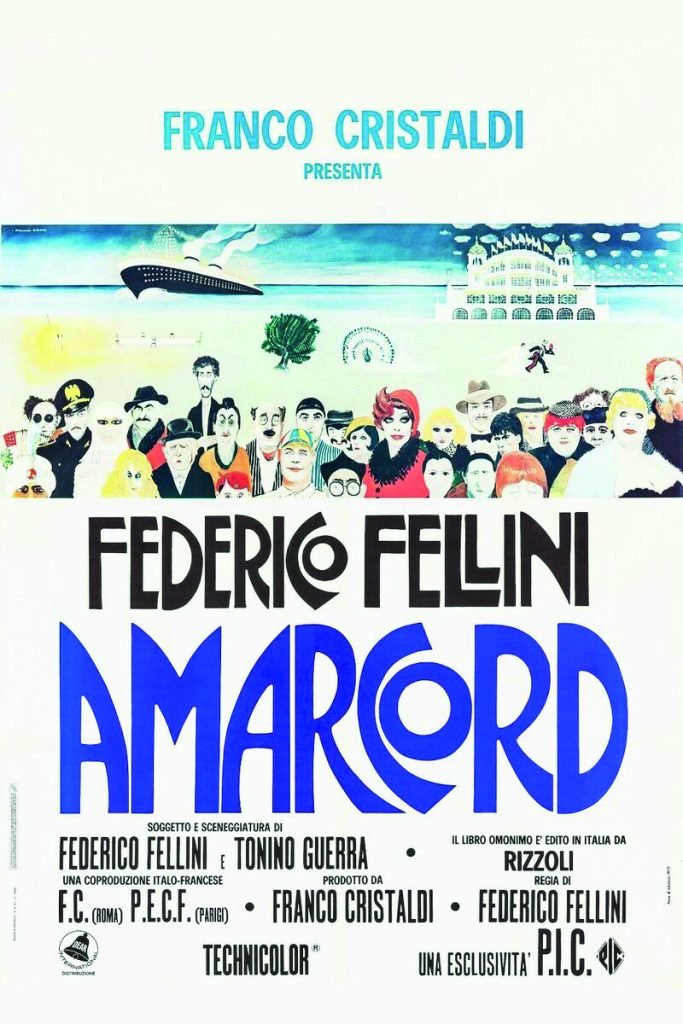
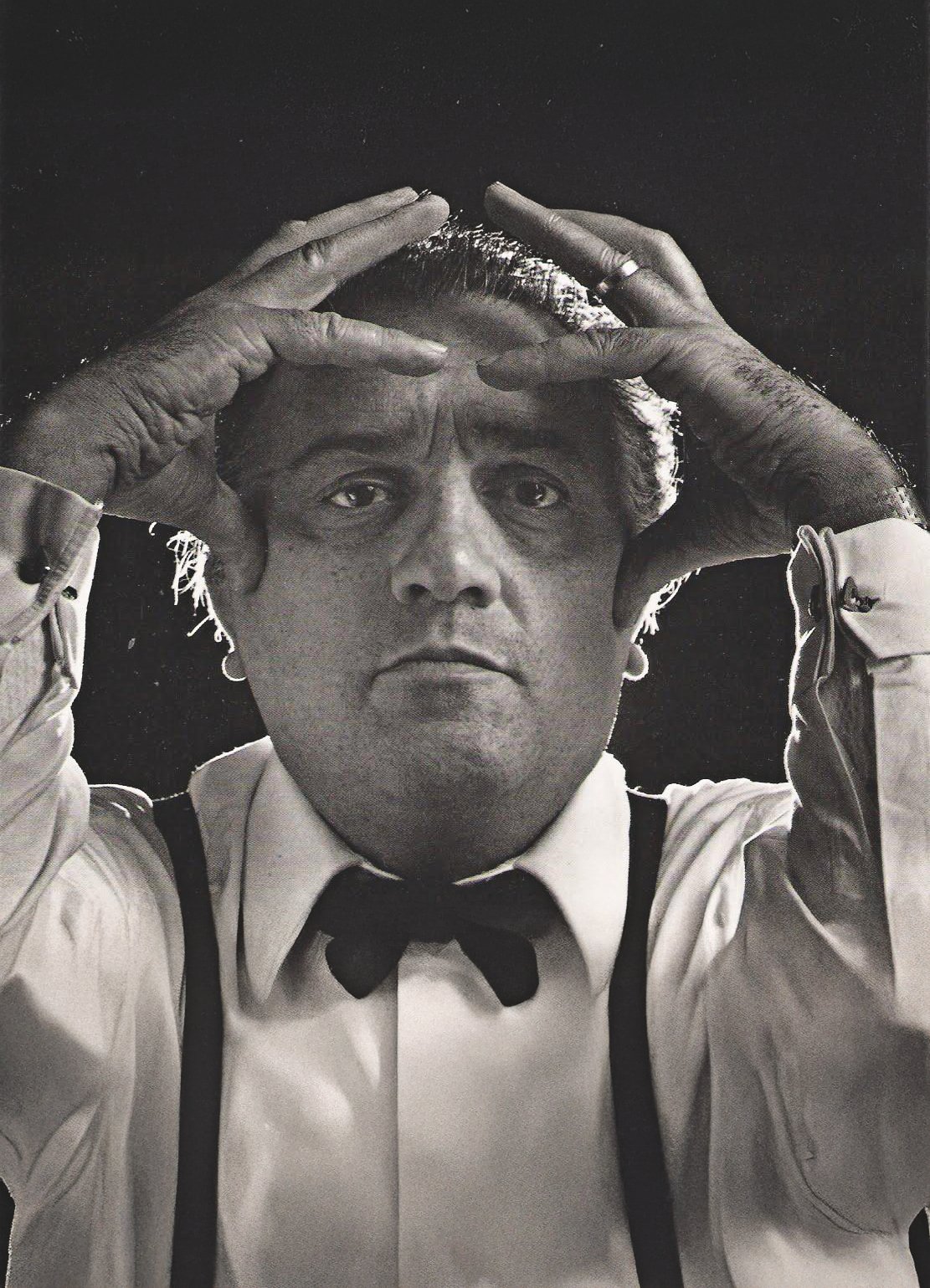
In the firmament of world cinema, the name of Federico Fellini shines like a solitary and unmistakable star. A visionary director, a poet of images, an architect of dreams and memories, Fellini transformed film into a personal universe, where reality and fantasy merge to become one. Born in Rimini in 1920, Fellini didn't just tell stories: he built worlds. Interior worlds, melancholic, grotesque, profoundly human. From La Strada to The Nights of Cabiria, from The sweet life at 8½, up to Amarcord, each of his films is a living work, full of symbols, atmospheres and unforgettable suggestions.
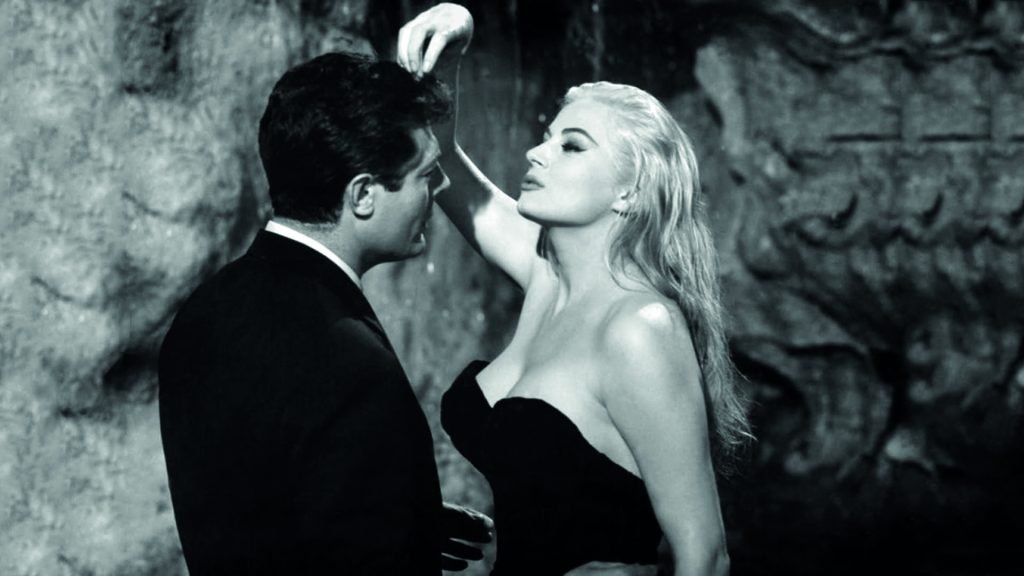
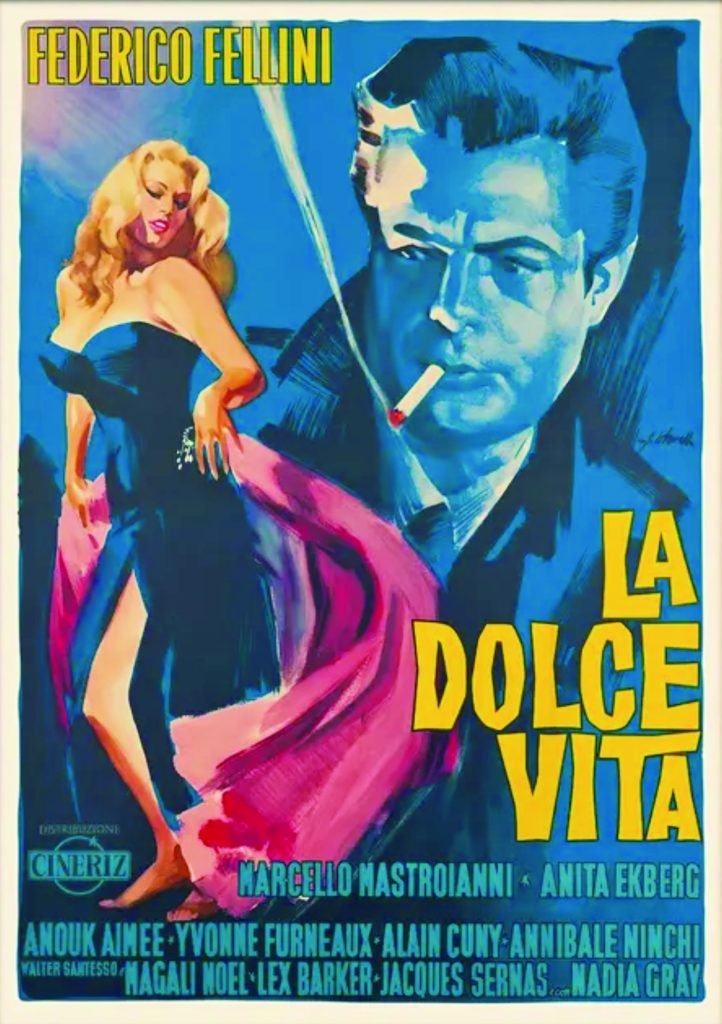
THE MASTERPIECES AND THE MYTH La Dolce Vita marked a turning point in the history of cinema: Rome, the night, the disenchantment of affluence, the emptiness of the bourgeois soul. At the center, Marcello Mastroianni, Fellini's alter ego, a sublime portrayal of that lost man searching for meaning that recurs in many of his films.
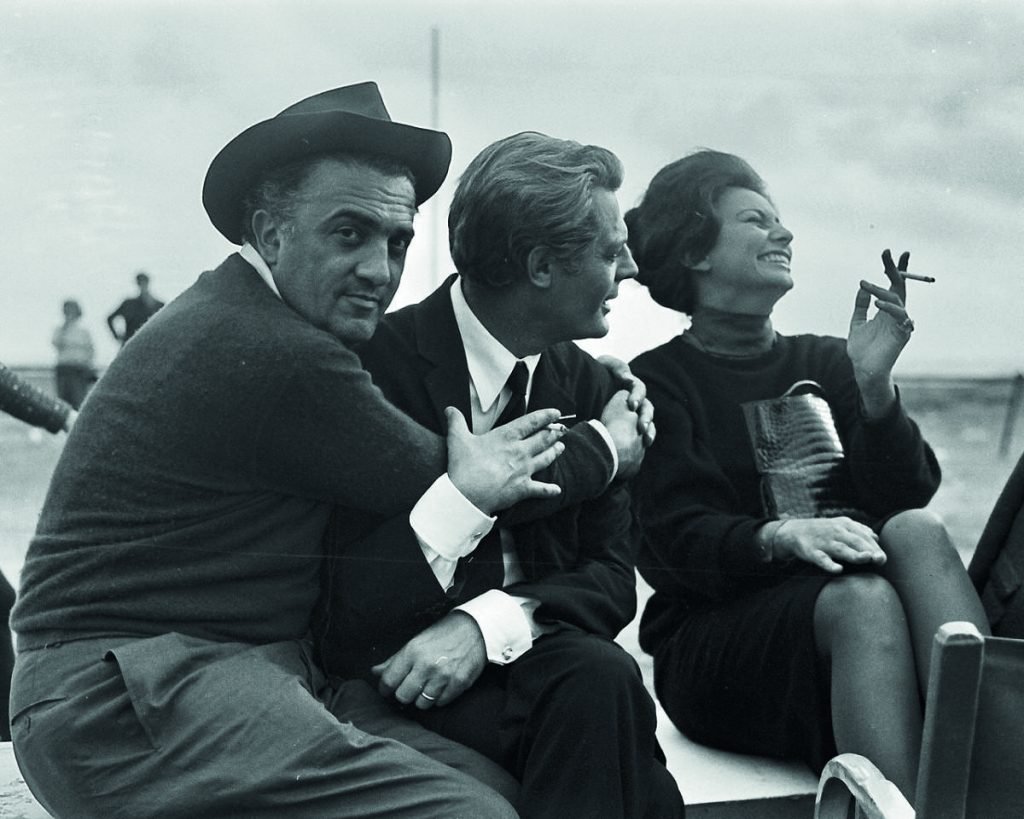
With Mastroianni, Fellini formed one of the most fruitful collaborations in the history of cinema. In 8½, Mastroianni becomes Guido Anselmi, a director in crisis, a symbol of the anxieties of the modern artist. The partnership between the two was not merely professional: it was friendship, profound empathy, a shared sensibility. Fellini also shared the stage with other giants of our cinema: Antonioni, Rosi, De Sica, Rossellini. With them, he was part of an unrepeatable era, post-World War II Italy, in which cinema became art, social inquiry, and collective dream. But Fellini's style always remained unique: dreamlike, baroque, intensely personal.
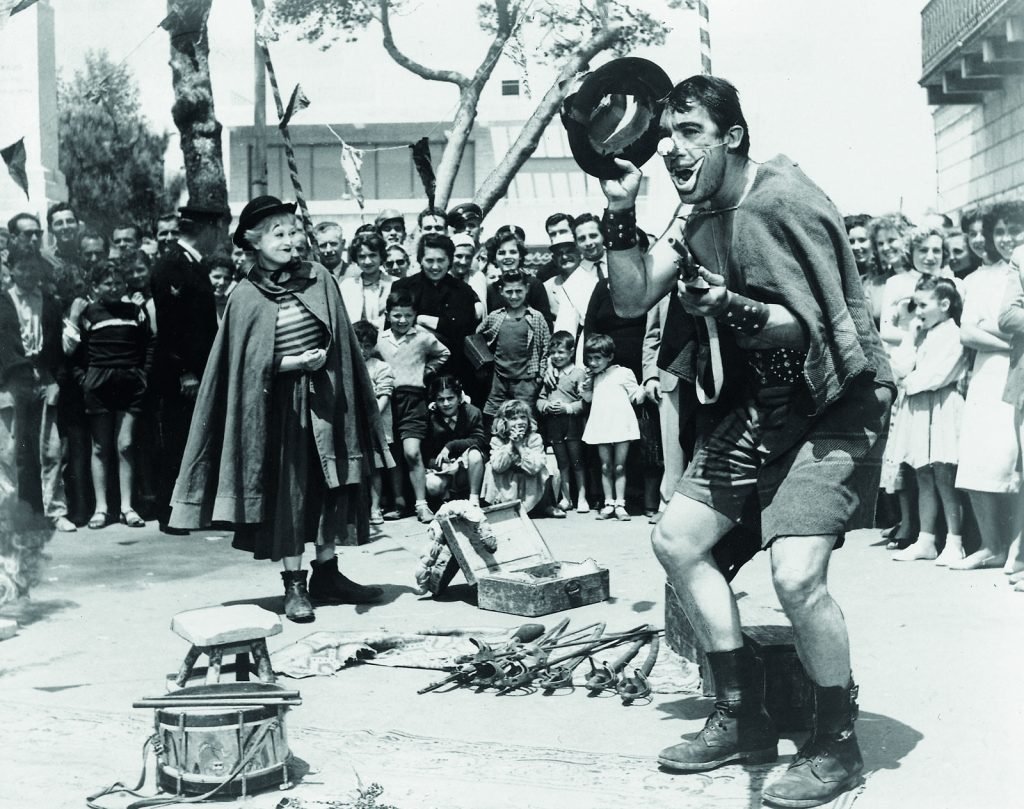
THE MUSES AND LOVE: GIULIETTA MASINA At the heart of his work is a name that recurs with tenderness and strength: Giulietta Masina. An extraordinary actress and lifelong companion, Giulietta was much more than a muse: she was his artistic soulmate. Unforgettable in La Strada, fragile and touching as Gelsomina; stunning in Nights of Cabiria, where she embodies one of the most poetic figures of Italian cinema. For Fellini, Masina represented purity, grace, and melancholy. Together, they formed an inseparable duo, human and creative, that spanned every phase of their lives. When Fellini died in 1993, Giulietta followed him a few months later: as if their bond could not survive separation.
THE OSCARS AND IMMORTALITY’ Fellini received five Academy Awards: four for Best Foreign Language Film (The Road, Nights of Cabiria, 8½, Amarcord) and one for lifetime achievement in 1993. But his name has long transcended the realm of awards: he has become an archetype, an icon, a point of reference for generations of filmmakers around the world. His films have been screened everywhere, studied in every film school, celebrated in festivals, retrospectives, and tributes. Even the term "Fellini-esque" has entered the global lexicon to define everything that is surreal, visionary, eccentric, and profoundly human.
A DREAMER'S LEGACY In an age of digital special effects and global productions, Fellini's work continues to teach the importance of the personal gaze. His cinema didn't imitate reality: it transfigured it, reinvented it, and imbued it with a mythical dimension. Fellini never needed to explain his films: he presented them as dreams, as circuses of the soul, as human processions where each person could rediscover something of themselves. His is a cinema unafraid of emotion, embracing childhood, desire, death, the sacred, and the ridiculous. Federico Fellini wasn't just a director. He was—and still is—the most powerful poetic voice of our visual twentieth century. An artist who immortalized Italy through images, and who lives on every time the lights dim and the curtain rises on the big screen.
FELLINI'S CINEMA: CHARACTERS, FACES, MASTERPIECES A compact journey through the Maestro's filmography, including iconic faces and timeless visions. Federico Fellini constructed a unique universe, populated by symbolic figures, dreamlike atmospheres, and legendary actors. His debut came in 1950 with Variety lights, but it is with The White Sheikh (1952) and The calves (1953) where his personal, ironic, and melancholic style emerges. In the latter, Alberto Sordi masterfully embodies the average Italian, dreamy and immature.