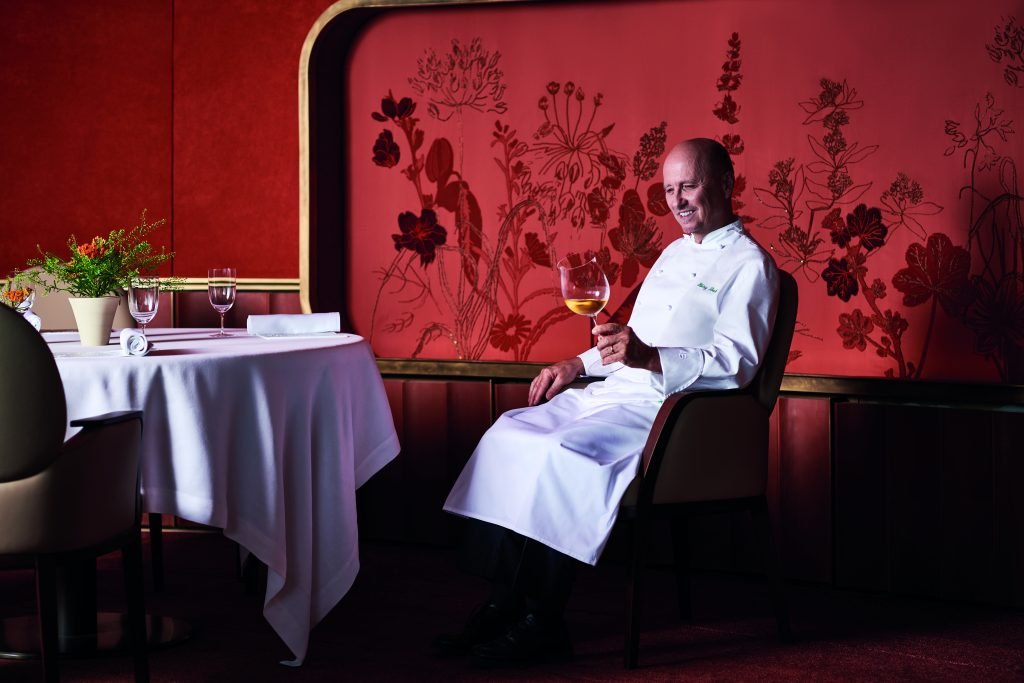
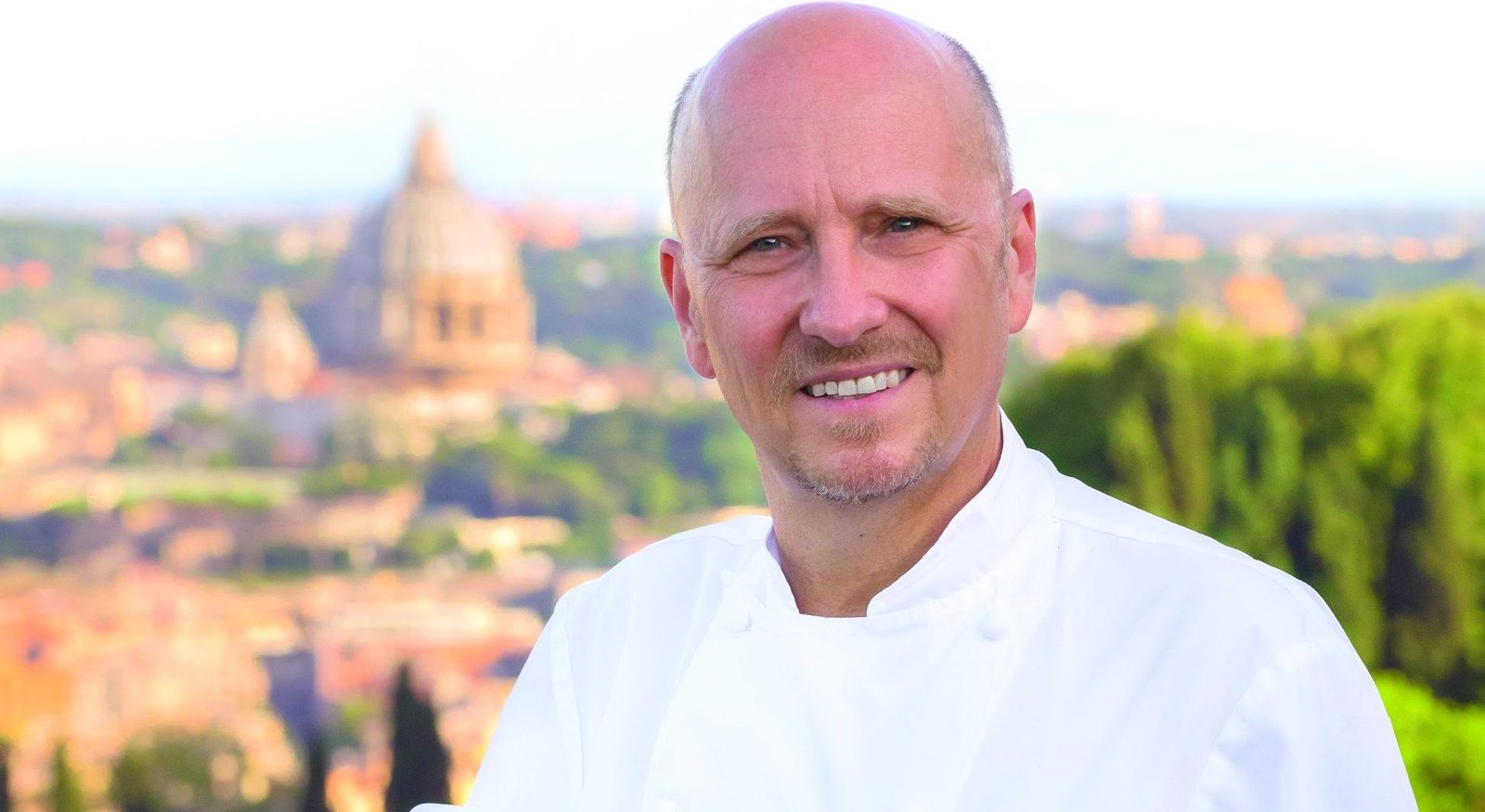
Among the great masters of world gastronomy, Heinz Beck occupies a place of honor. He earned three Michelin stars for his restaurant, La Pergola, at the Rome Cavalieri, at the Waldorf Astoria Resort, and a career that has led him to create exceptional experiences at iconic locations such as Forte Village and other international destinations.
His cuisine, recognized as a symbol of balance, lightness, and innovation, is born from a long journey of study and research that combines rigor, creativity, and vision. For Beck, haute cuisine is not just the creation of a dish, but the perfect orchestration of a team, attention to detail, and the ability to offer a memorable experience to those who sit at the table. A master of technique and sensitivity, he continues to explore new horizons, from sustainability to health, while maintaining his ability to surprise. In this interview, Heinz Beck He takes us behind the scenes of his world and that of Beck and Maltese Consulting, the company through which he manages all of his activities in Italy and around the world, sharing reflections on the value of training, the harmony of teamwork, luxury at the table, and his dreams yet to be fulfilled.
Chef Beck, your career has led you to earn three Michelin stars and become an absolute benchmark in haute cuisine. What were the decisive formative moments that shaped your gastronomic philosophy? Every experience I've had has helped shape my path and brought me to where I am today. Arriving in Italy, in particular, marked a fundamental turning point, both professionally and personally. My exposure to Italian gastronomic culture, its extraordinary food heritage, biodiversity, and deep-rooted traditions have profoundly influenced me, to the point of choosing Italy not only as a place to work, but also as a country to live. I often say that you can't choose where you're born, but you can choose where you live, and I chose to live here, where eating is an art at any table.

Your cuisine is always described as a blend of lightness, innovation, and health. If you had to sum up your vision in one key word, what would it be and why? Wellbeing. A profound wellbeing that embraces body and mind, and that accompanies our guests well beyond dinner. For us, the experience doesn't end when you leave the table: it continues the next day, when you wake up feeling lighthearted, energized, and with a heart filled with beauty. We want every person who chooses to sit at our table to experience a moment of authentic happiness, one that brings with it genuine emotions and soul-warming memories.
In a top-notch kitchen, teamwork is essential. What's the secret to transforming a group of professionals into a perfectly harmonized orchestra? Believing in them. Believing in the team is the starting point. I listen to them, I engage with them, and I create an environment where everyone feels part of the project. Harmony in the kitchen comes from mutual trust and respect for roles. Investing in young talent and nurturing their skills allows the team to transform into an orchestra where every gesture is coordinated and the group's energy becomes one with the restaurant's vision.
Beyond creating dishes, how important do you think ongoing training and discipline are to ensuring exceptional service, both in the dining room and in the kitchen? Continuous training and discipline are essential: the world is changing, and we must adapt. The synergy between the dining room and kitchen is crucial, because the dining room also requires discipline and professionalism, an integral part of the experience. The training we provide, from the kitchen to the pastry shop to the service department, is comprehensive and cross-disciplinary, capable of meeting the needs of a constantly evolving profession.
Gastronomy today faces new challenges: health, wellness, sustainability. How do these dimensions influence your creations and your daily research? For about 25 years, I have chosen to connect my cuisine to health and to apply the principles of the circular economy and sustainability. The well-being of my guests has always been the cornerstone of my decisions, and thanks to research and collaborations with universities, I have developed an awareness that guides every new creation. Circularity has also become central: it requires a clear plan, different depending on the context. Sustainability, for me, must be a concrete goal, to be achieved with integrated processes and a real impact: waste reduction, resource optimization, healthy ingredients, and attention to the bottom line. Efficiency and ethics must coexist, creating a virtuous cycle that transcends the old logic of procurement and waste. It's not just what we eat that affects our health and the environment, but also what we buy and how we prepare it. Today, more than ever, we need responsibility, awareness, and consistency in our use of resources and the objectives of our work.
After so many achievements and accolades, is there still a dream or project you haven't realized that you'd like to realize in the coming years? Working on new dishes and new projects to achieve ever-changing goals is what keeps us going and motivates us to always do better. We're currently working on a few new openings and can't wait to see them come to fruition.
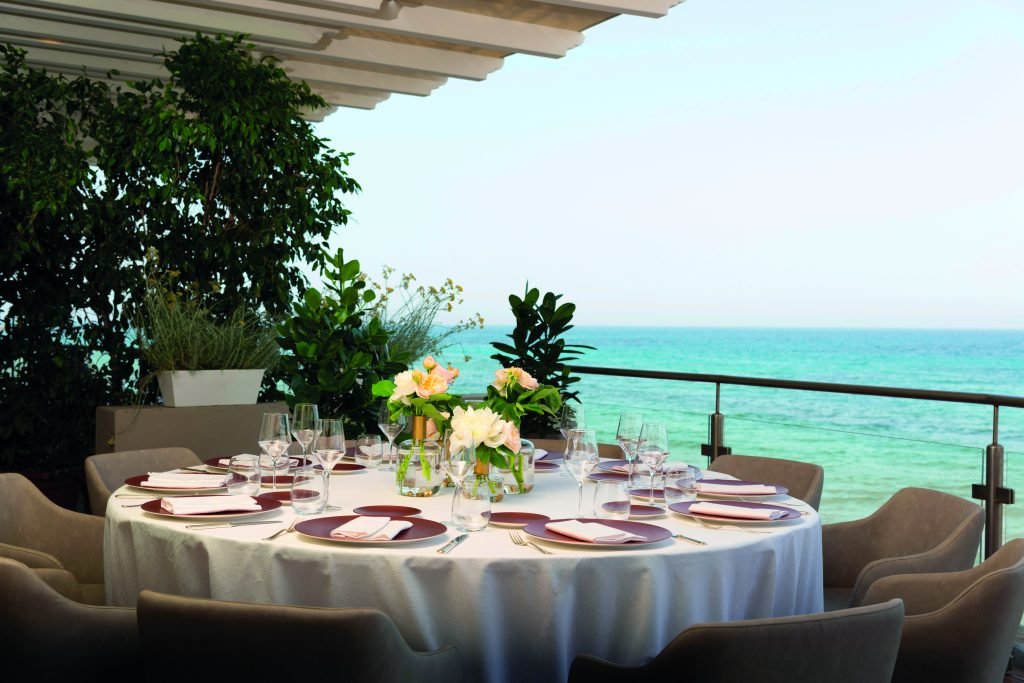
You work in extraordinary settings, from the Hotel Rome Cavalieri to the Waldorf Astoria Resort to Forte Village. How would you define the concept of "luxury" in the gastronomic experience today? Luxury today is a personal concept: something unique, designed and tailor-made for each guest. For us, it means creating authentic experiences, spaces designed down to the smallest detail, never standardized. The foundation of the gastronomic offerings The Pergola, as at Forte Village and in the restaurants of Beck and Maltese Consulting, are based on two pillars: quality and uniqueness. Quality not only in the raw materials, but in the ability to offer experiences that become lasting memories and emotions. Welcoming guests into a specially designed environment, leaving them happy and satisfied, is our true mission. That's why there's no such thing as "anything goes": every detail, from the dish to the service, must be perfect. It's in the details that an unforgettable experience is built. I consider myself fortunate to work in contexts of beauty, art, and nature, and I feel a responsibility to enhance them through every dish and every gesture: the best way to give back what they give us every day.
If you had to leave a message to young people who aspire to follow in your footsteps, what would be the essential human and professional quality to become great in the kitchen? I'd definitely say humility: a fundamental quality, both human and professional. In the kitchen, as in life, everything evolves; you never stop learning. You have to have the courage to put yourself out there, because listening is often more important than speaking. My advice to young people is to invest in knowledge and culture, precious gifts that set us free. Being curious, critical, and not afraid of confrontation is the key to true growth.