
A REFINED JOURNEY THROUGH THE AROMAS OF SOUTHERN EUROPE, WHERE THE TABLE BECOMES CULTURE AND FOOD A TIMELESS ART, RECOGNIZED BY UNESCO AS A WORLD HERITAGE SITE.
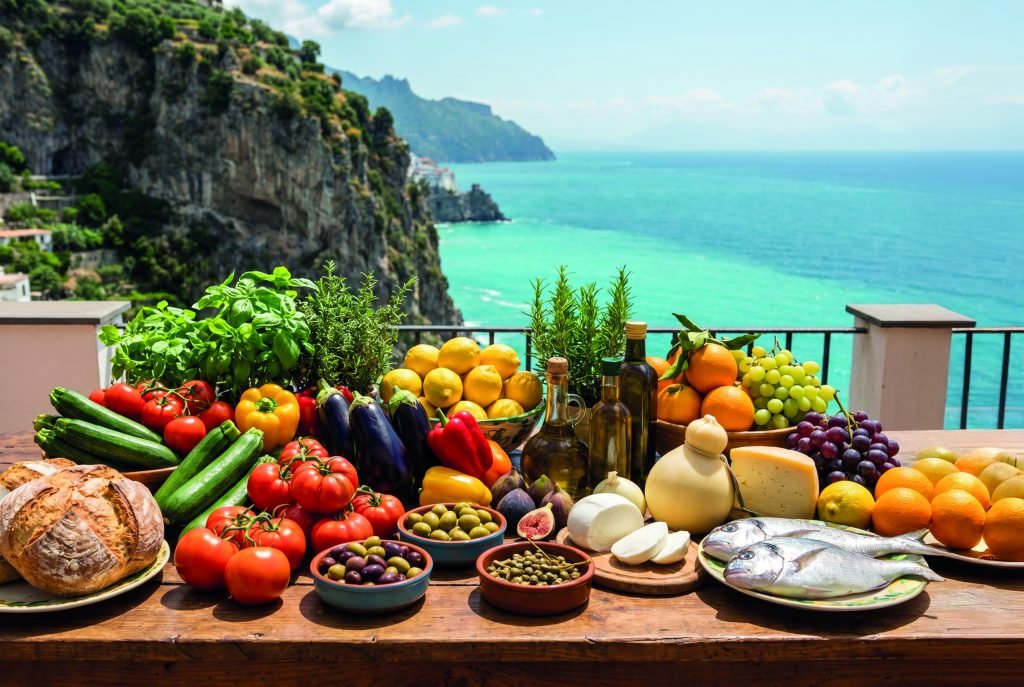
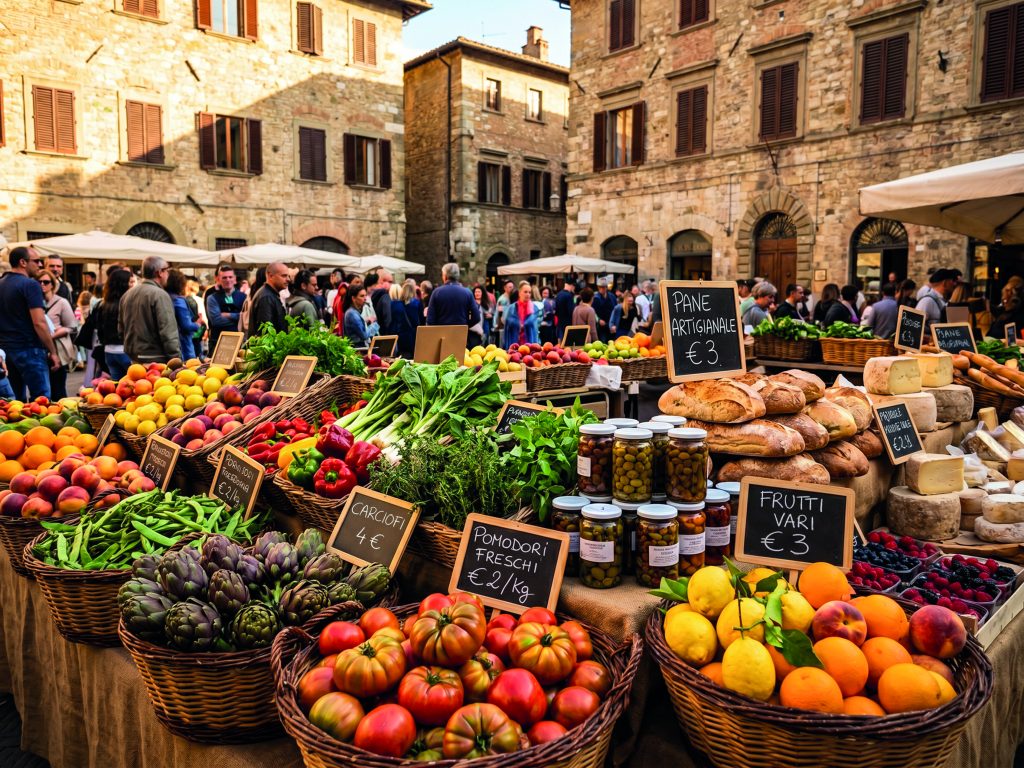
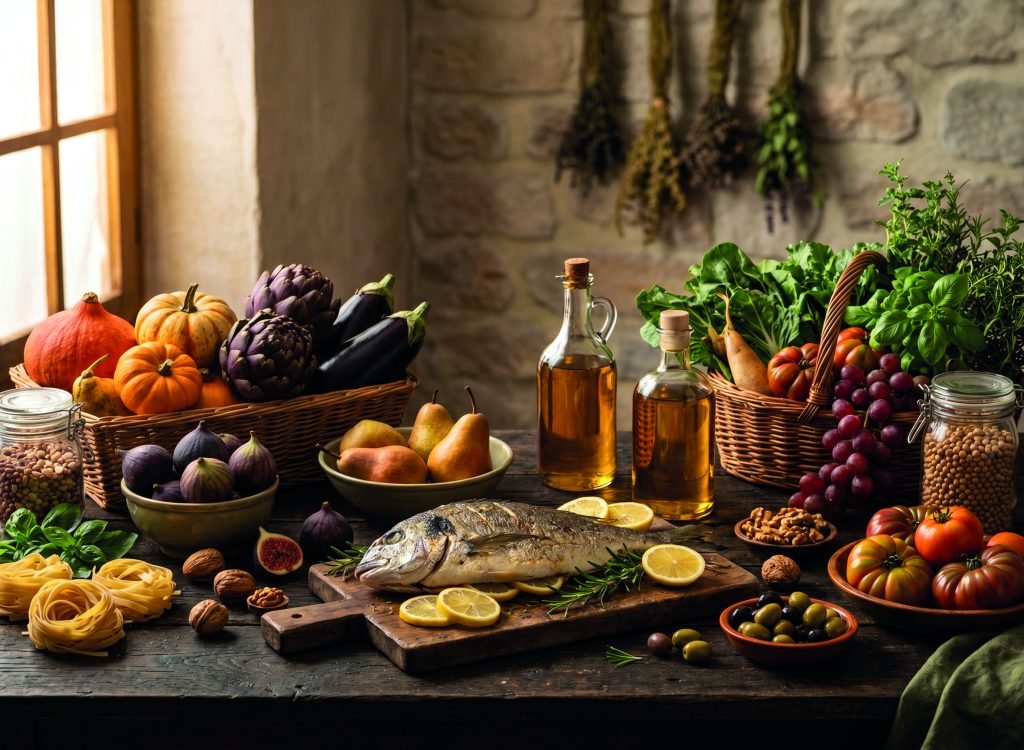
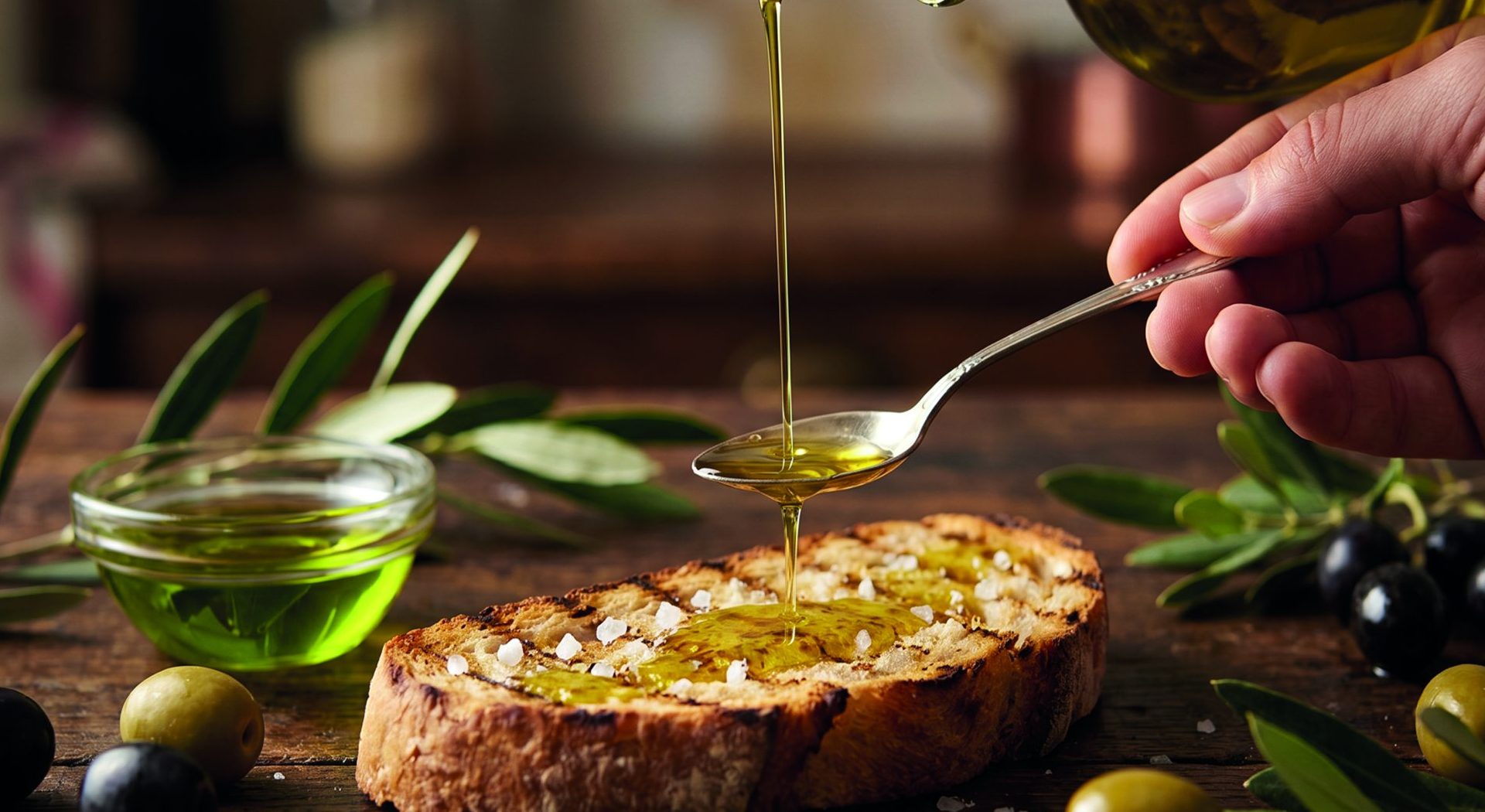
There is a place, more than geographical, almost spiritual, where time seems to slow down and the daily act of eating transforms into an ancient and gentle ritual. It is the beating heart of Mediterranean Diet, a dietary model born along the sunny coasts of Italy, Greece, and Spain, but today capable of speaking to the entire world as a universal symbol of balance, elegance, and well-being. It is not just a diet, nor a simple set of nutritional rules. Rather, it is a philosophy of inhabiting time, a subtle harmony between nature and culture, between memory and the present. Each ingredient holds a story made of handed down traditions, expert hands, and respected seasons; each dish becomes a story, an emotion, an identity. In this cuisine, ostentation does not exist: what exists is the depth of simplicity. At the heart of this philosophy is a principle as essential as it is revolutionary: choosing authentic, fresh, and seasonal ingredients, respecting the natural rhythms of the land and the sea. It is a cuisine born of patience and observation, where quality needs no artifice to assert itself. The liquid gold of this universe is extra virgin olive oil, a symbol of purity, balance, and longevity, capable of enhancing every flavor with a discreet and refined grace. A palette of colors and aromas unfolds beside him: vegetables slowly ripened in the sun, whole grains, ancient legumes, aromatic herbs, bright citrus fruits, and juicy fruit harvested at the height of season. It is the triumph of authentic simplicity, one that doesn't sacrifice flavor but rather elevates it. A cuisine capable of transforming a few ingredients into
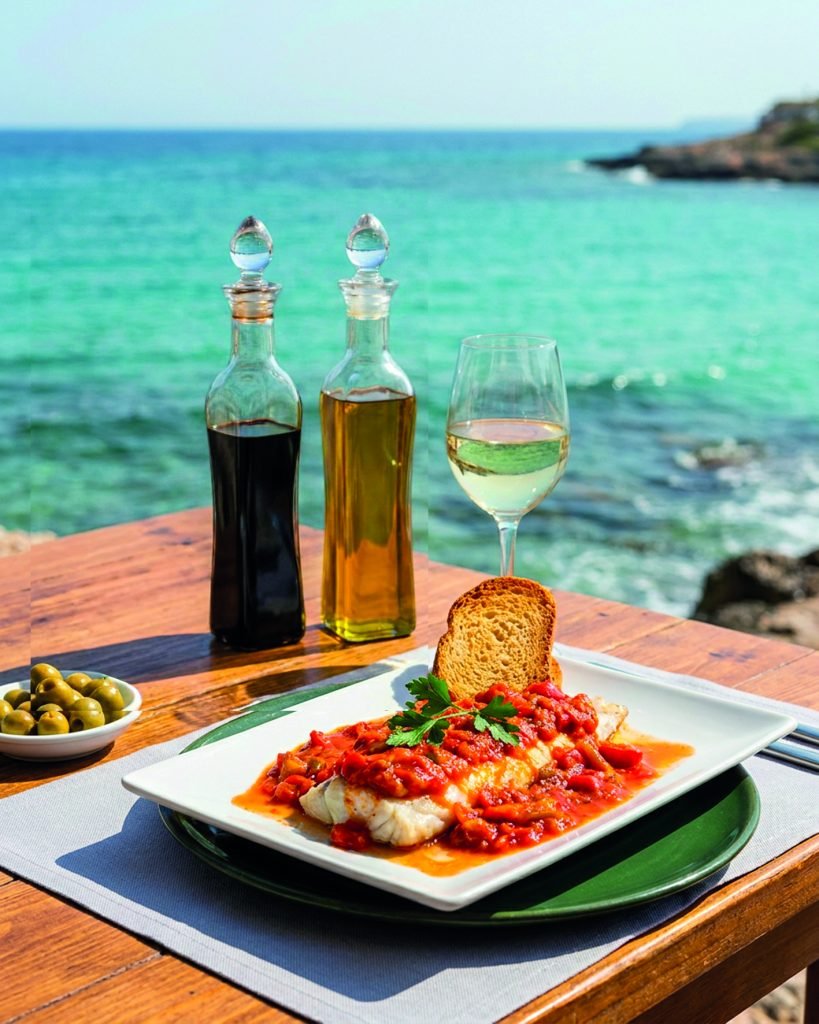
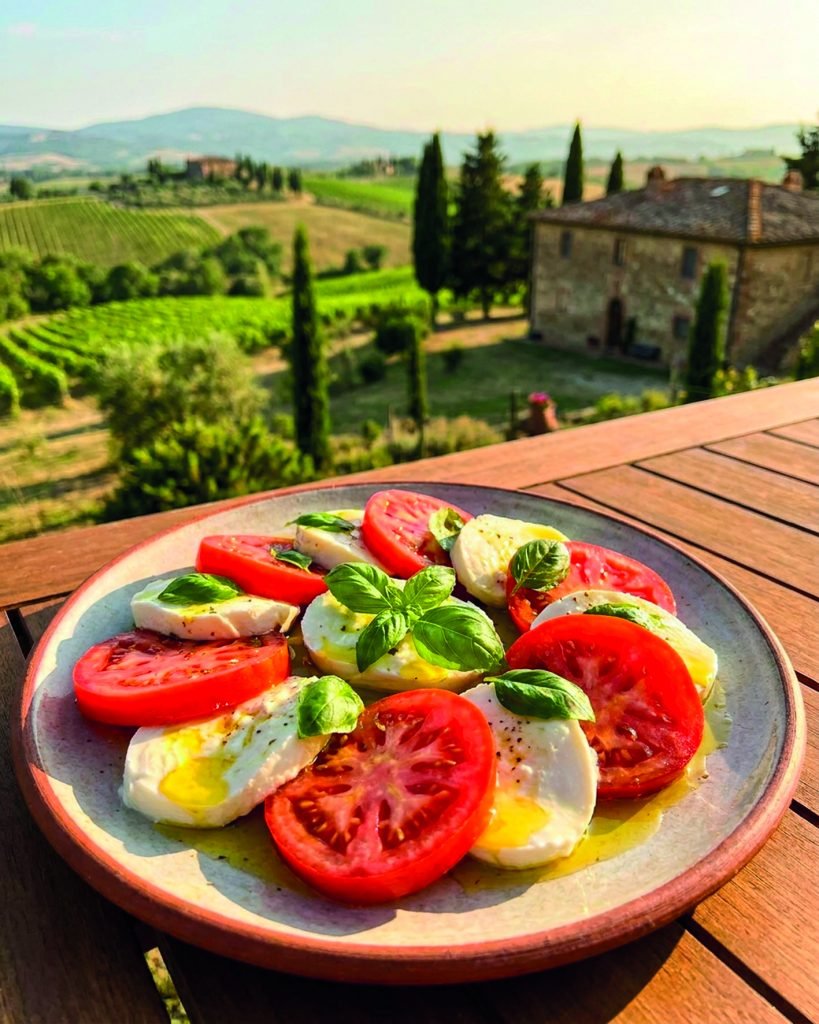
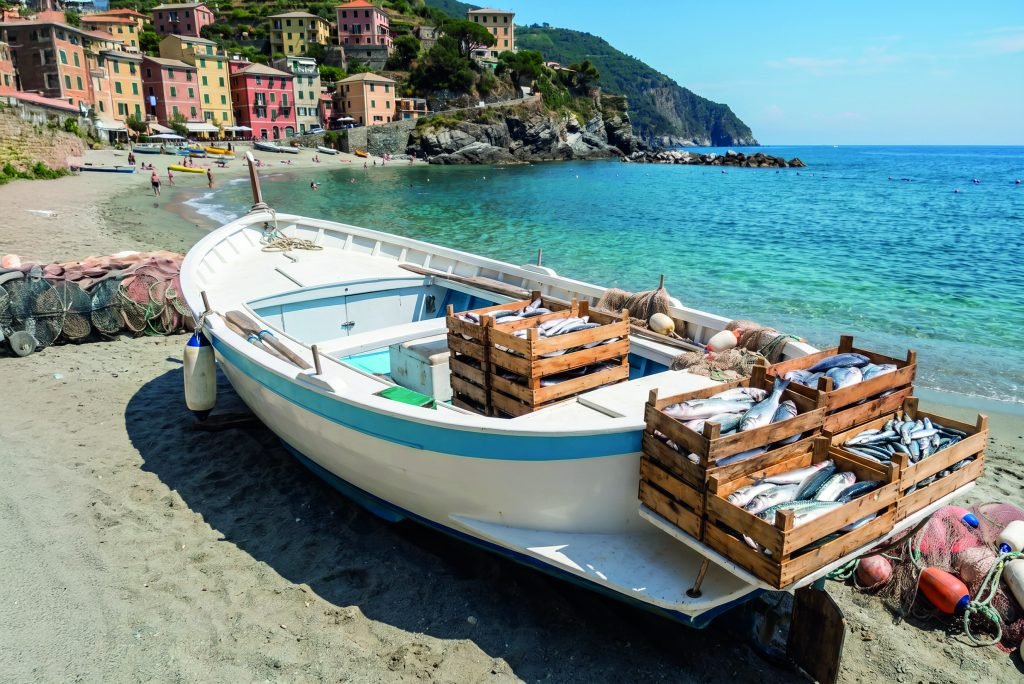
A complete sensory experience, where warm bread, the scent of basil, or a freshly picked tomato become expressions of a tangible, everyday beauty. And then there's the sea. The Mediterranean waters offer flavorful yet naturally light fish, the protagonists of recipes that celebrate balance and delicacy. Anchovies, mackerel, tuna, sea bream, and sardines tell the story of a simple yet sophisticated cuisine, nourishing without weighing you down, satisfying without excess. Oily fish, with its nutritional richness, symbolizes a profound connection with the land and its maritime traditions. But what truly makes the Mediterranean Diet unique is perhaps its most human side. A meal is never a hasty or purely functional gesture: it is sharing, dialogue, presence.
Generations, stories, silences, and laughter intertwine around the table. Eating together becomes a cultural and emotional act, a moment in which time expands and acquires value. Even wine, consumed with moderation and awareness, accompanies this ritual with natural elegance, not as excess but as a symbol of conviviality and balanced pleasure. It's no surprise, then, that it's precisely in regions associated with the Mediterranean Diet that some of the longest-lived populations on the planet are found. Italy, in particular, is among the countries with the highest concentration of centenarians in the world.
Some areas such as the Ogliastra, in Sardinia, are considered true “blue zones”, places where living beyond the age of one hundred is not an exception but a concrete possibility.
Here, nutrition is intertwined with an active lifestyle, strong social relationships, and a deep connection to the earth, creating a rare balance between physical health and inner peace. Numerous studies in the field of nutrition confirm how this eating style contributes to the prevention of cardiovascular disease, metabolic well-being, and a better quality of life. But beyond the scientific data, there is an even more subtle and valuable aspect: Mediterranean Diet It teaches you to take care of yourself naturally, without rigidity or drastic sacrifices. It is an invitation to experience well-being as a conscious pleasure, a search for harmony and moderation. In an increasingly fast-paced world, dominated by haste and standardization, the Mediterranean Diet represents a return to the essentials. It recalls the value of simple, authentic, and true things: a fragrant loaf of bread shared at the table, the scent of new olive oil, the freshness of a freshly picked fig, the gentle sound of a conversation at sunset. It is a quiet and unostentatious luxury, made of truth, balance, and memory. Adopting it means choosing a lifestyle that combines aesthetics and substance, tradition and modernity, health and pleasure. A natural elegance that endures through time without losing its charm, just like the luminous lands that gave rise to it.