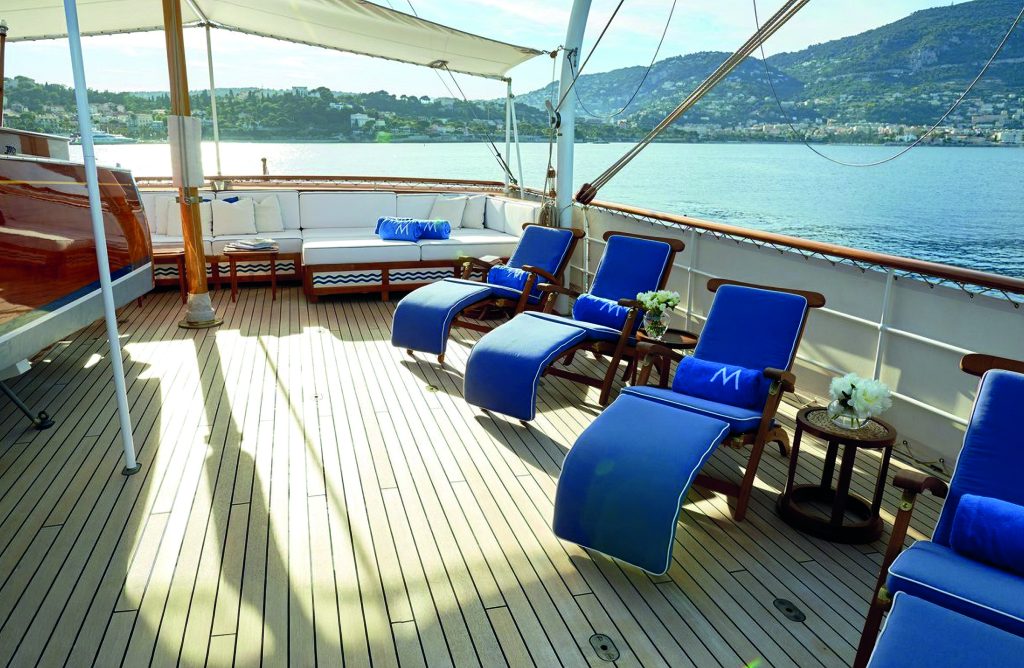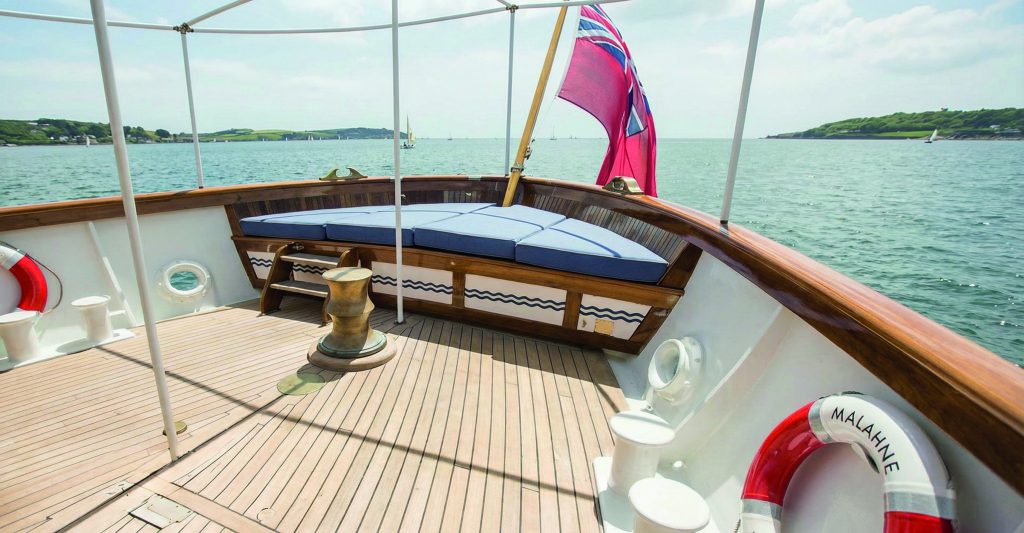

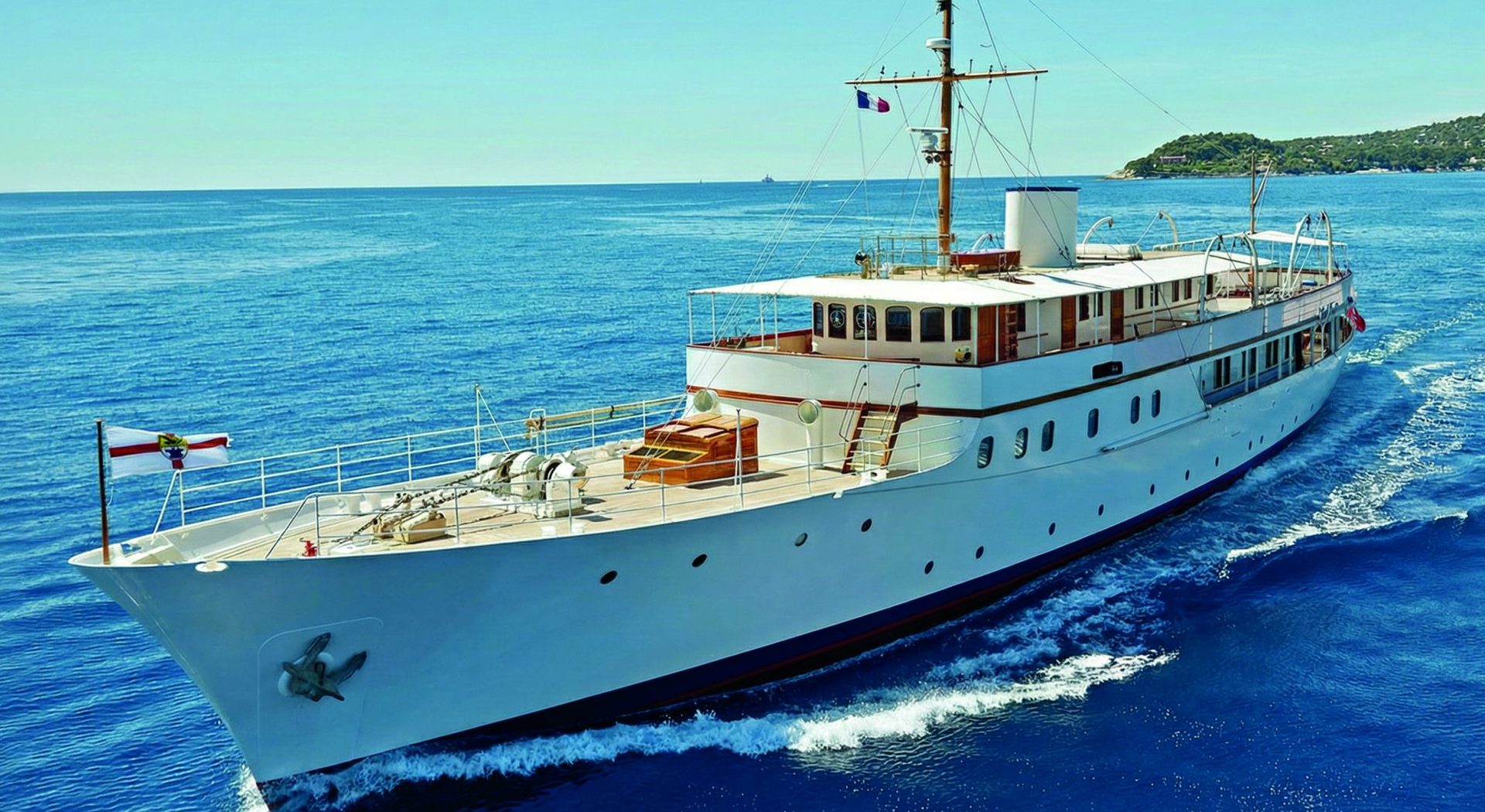
THE SEA WAS DARK, COMPACT, ALIVE. THE SHIP CROSSED IT WITHOUT APPARENT EFFORT, AS IF WATER WAS AN ELEMENT ALREADY
IT WAS DESIGNED FOR THIS. IT WAS NOT JUST ANY TYPICAL VESSEL. IT WAS MALAHNE.
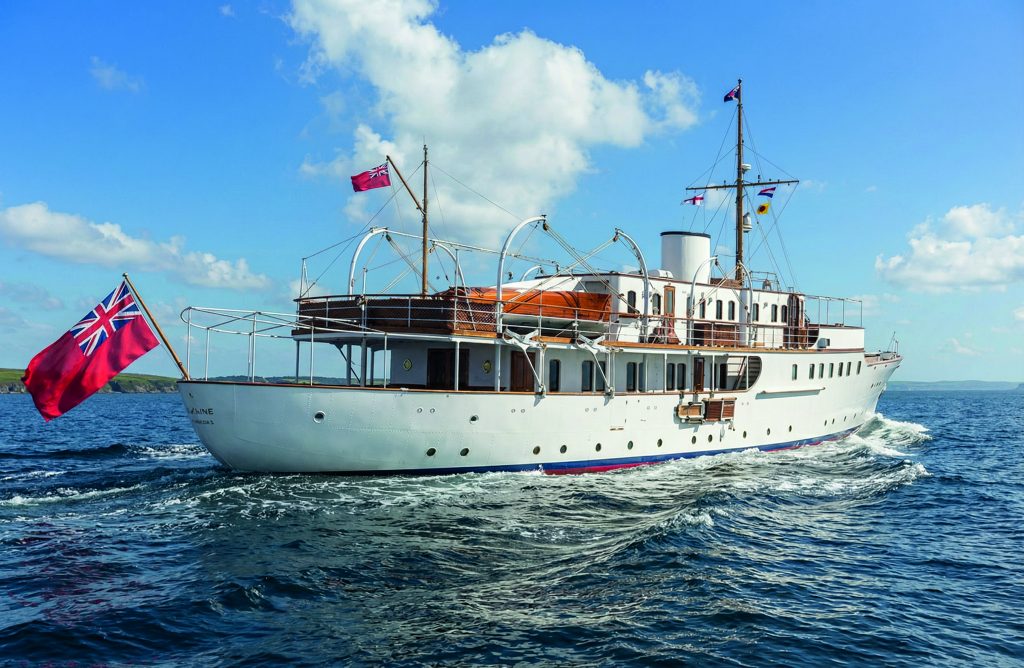
Born in 1937 from the shipyards Camper & Nicholsons of Gosport, belongs to that era when shipbuilding was not just engineering, but material culture.
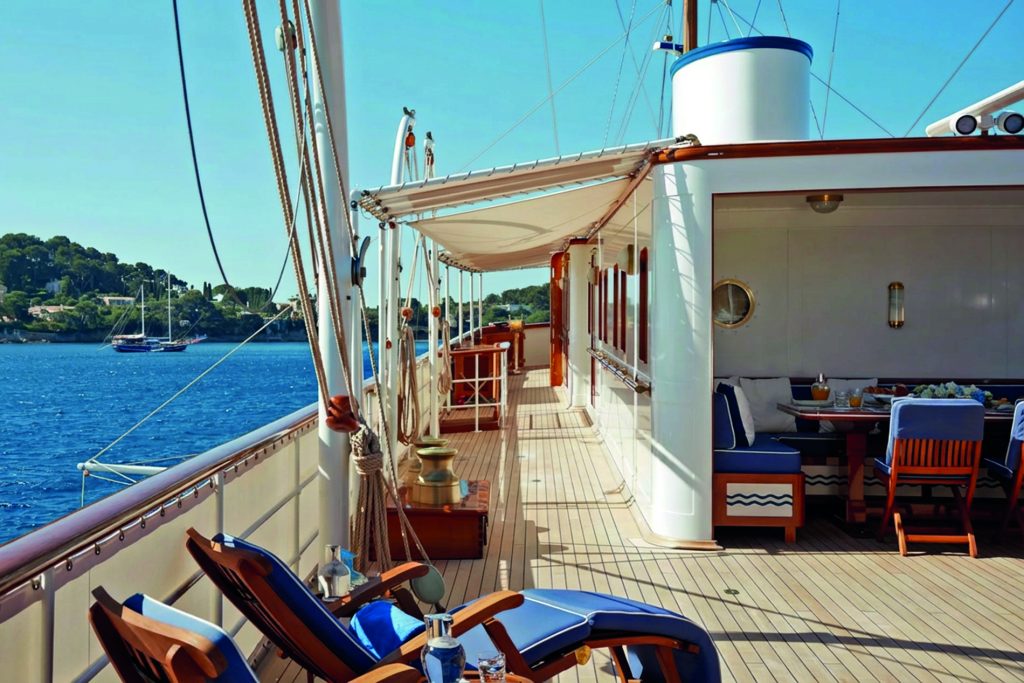
It was commissioned for William Stephenson, and conceived as a presence, not a vehicle. Fifty-three meters of dark hull, a spare superstructure, taut lines without decorative concessions. An object that doesn't seek consensus: it imposes it through its restraint. Then came the war.
As often happens with things designed to last, Malahne was removed from her private destiny and inserted into the collective one. She entered service in the Royal Navy as HMS Malahne, transforming the language of comfort into that of function.
Where previously there had been ceremonial interiors, the logic of urgency prevailed. It sailed the Channel, passing through the harshest conditions of the conflict, contributing to evacuation operations during the Dunkirk campaign. It wasn't a symbol: it was a job done thoroughly.
After the conflict, it returned to its original name. But not in its time. It was then that it crossed paths with the world of Sam Spiegel, producer and central figure of twentieth-century cinema. With him, Malahne entered a different dimension: no longer just nautical, but cultural. It became a hub for actors, directors, and producers. Elizabeth Taylor, Grace Kelly, Frank Sinatra, Kirk Douglas, Jack Nicholson: not as a worldly list, but as fragments of the same mobile geography, that of the cinematic Mediterranean of the golden years.
At that time, the yacht wasn't a backdrop. It was a hub of operations. A hub where work, image, and creative power intersected, while international cinema shifted between ports and natural settings. Malahne didn't represent that world: he contained it. But the history of large ships isn't linear.
In the years that followed, disrespectful interventions profoundly altered its structure. Materials foreign to the original design, stiffened surfaces, compromised proportions. Its identity was blurred to the point of becoming almost unrecognizable. For a long time, Malahne was more of a suspended presence than a living vessel.
The turning point came in 2012, with a new owner and a clear choice: not to update, but to recover. The project was entrusted to Pendennis Shipyard, to Falmouth. The work lasted about thirty months. It wasn't a simple refit, but a cultural rather than a technical reconstruction: study of the original plans, restoration of the lines, and recovery of the aesthetic grammar of 1937.
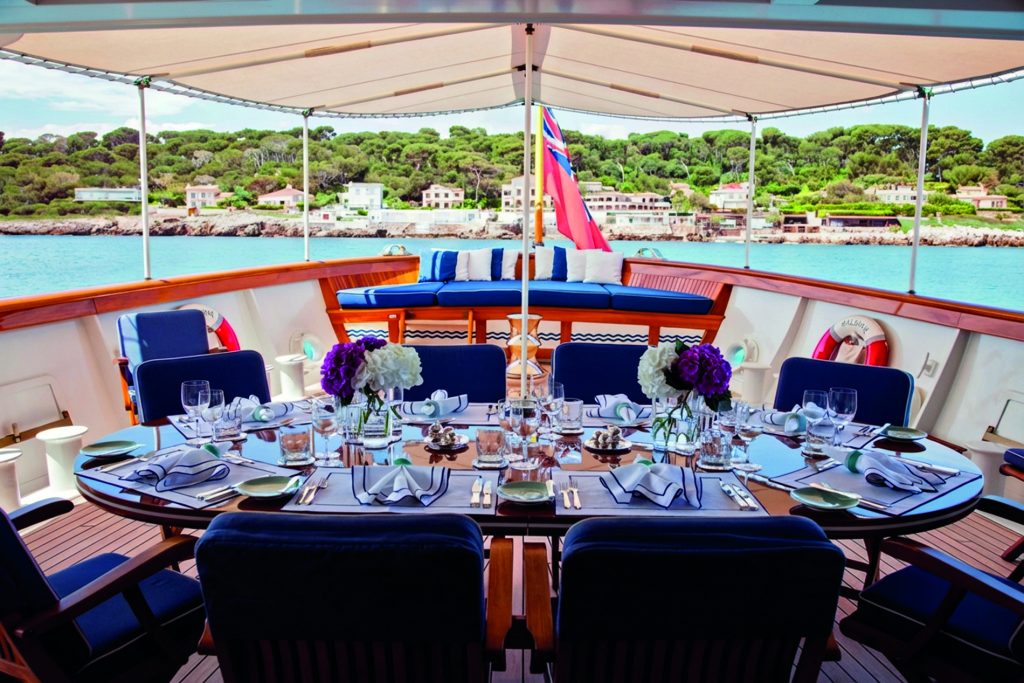
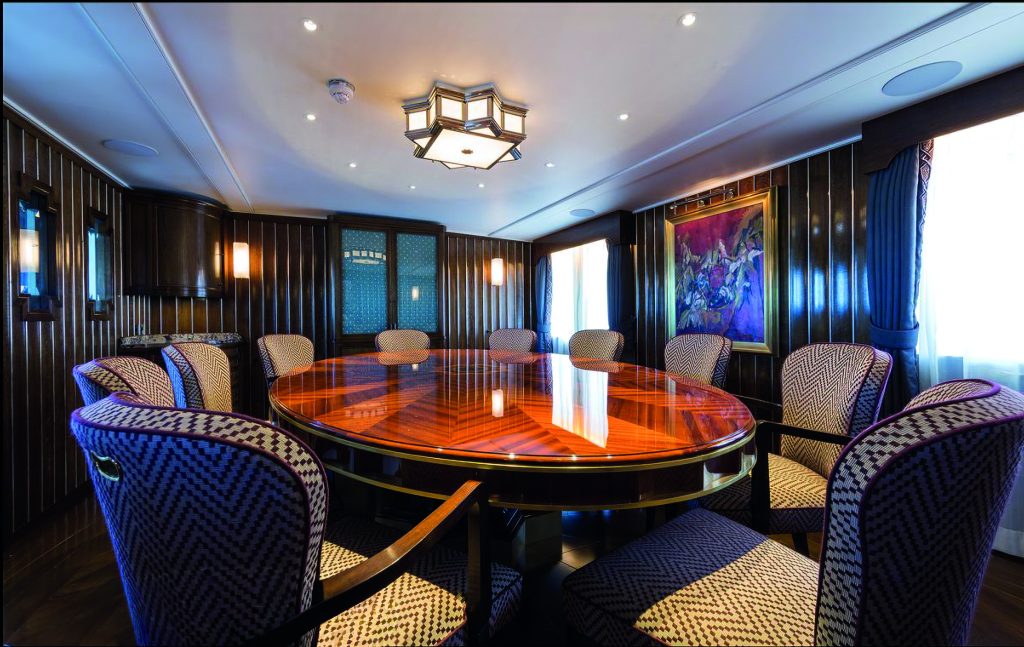
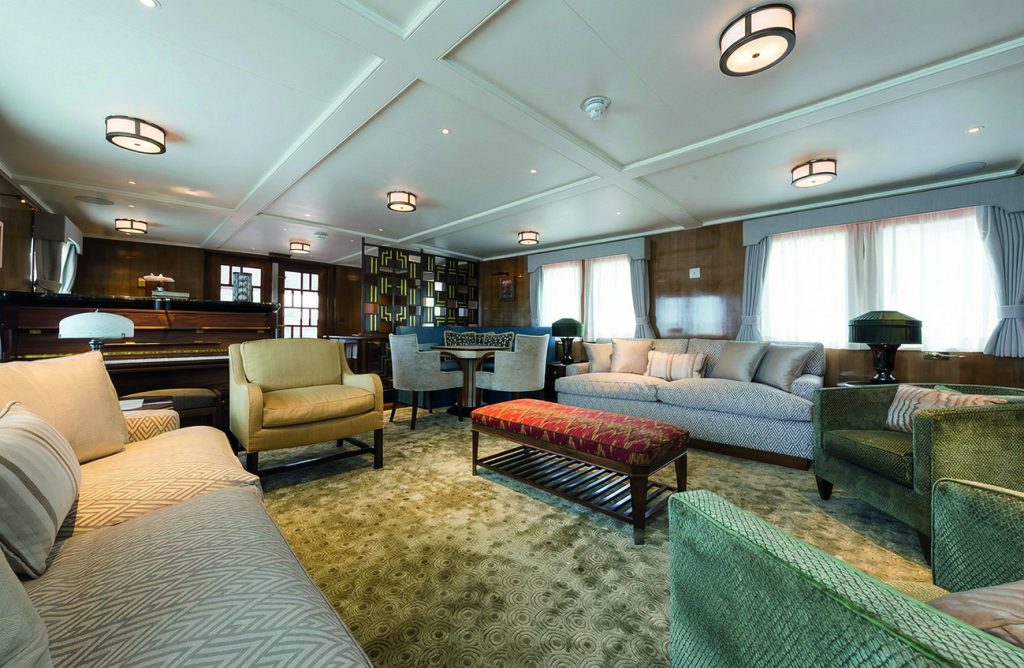
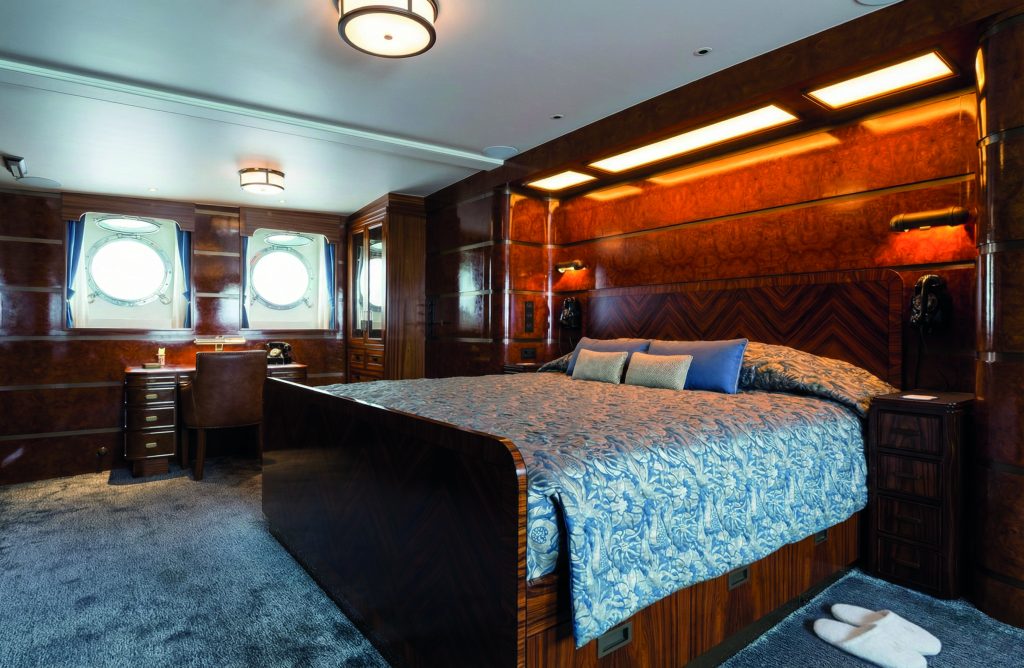
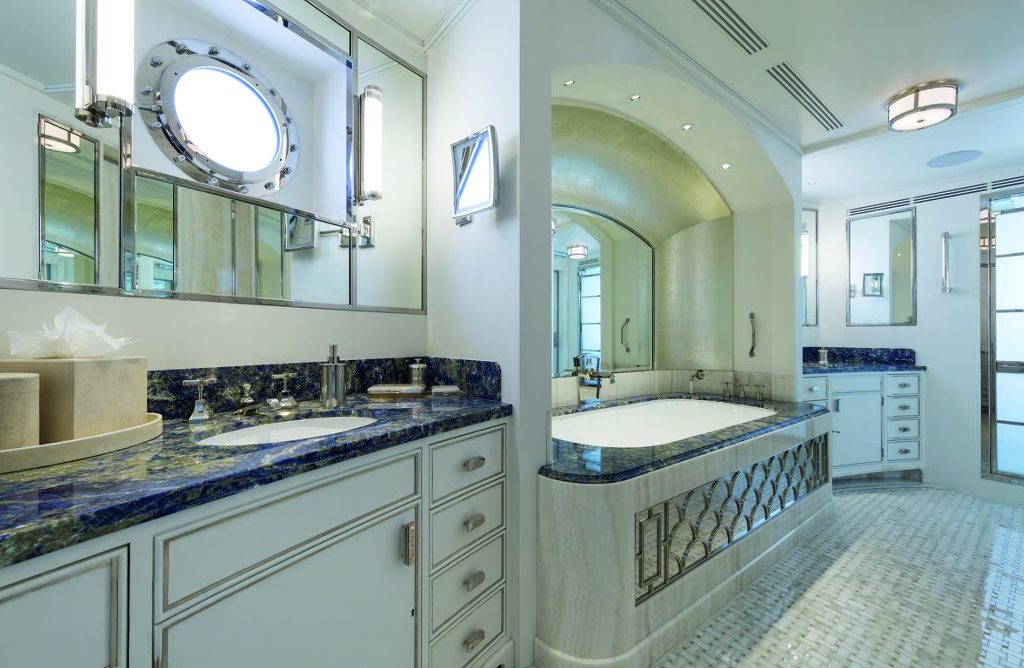
The interiors were reworked under the guidance of Oliver Laws, with a philological but not museum-like approach: noble woods, correct proportions, bathrooms and rooms redesigned to restore the original sensation of balance between function and representation.
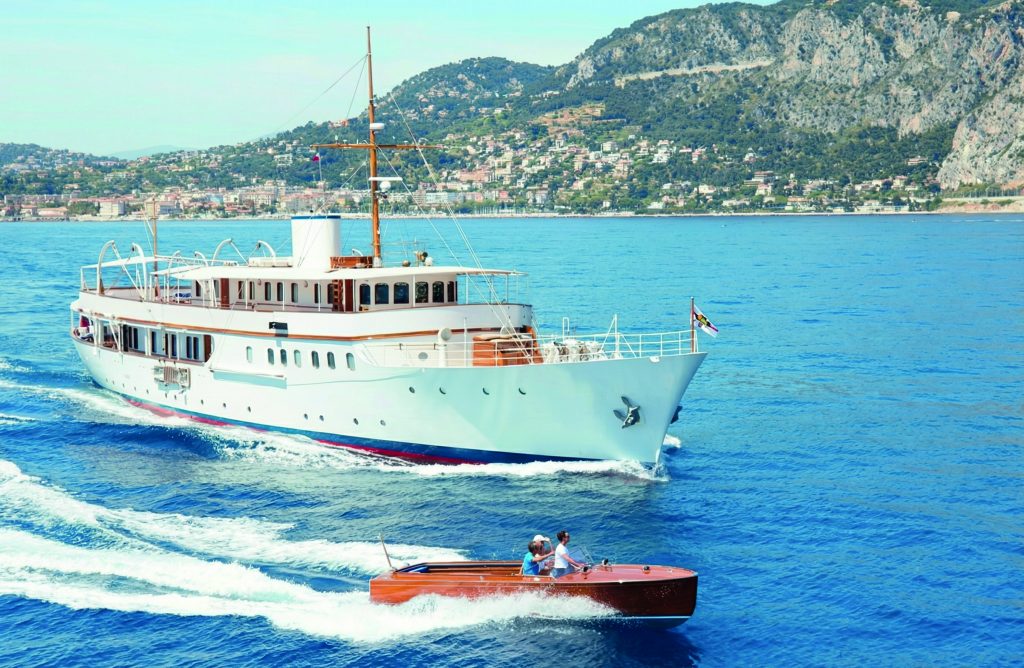
The goal wasn't to imitate the past, but to reactivate it. In 2015, Malahne returned to the water. Not as a restored object, but as a rediscovered structure. A balance recomposed between different eras, without erasing their fractures. Today, she still sails the Mediterranean. And when she appears on the horizon, she doesn't present herself as a contemporary yacht. She imposes herself as a historical continuity. She doesn't demand attention: she absorbs it.
Because Malahne doesn't belong to contemporary luxury. It belongs to a rarer concept: that of something that resists time without ceasing to pass through it.