
WITH OVER 2.5 MILLION TICKETS SOLD AND BOOKED IN THE FIRST WEEKS OF ITS OPENING, BELLE ÉPOQUE. ITALIAN PAINTERS IN PARIS IN THE AGE OF IMPRESSIONISM CONFIRMS THAT IT IS CAPTURING AN INTEREST THAT GOES FAR BEYOND THE IMMEDIATE FASCINATION FOR AN ICONIC ERA.
Hosted at Blue Palace of Pisa and curated by Francesca Dini – among the most authoritative voices in the study of the second half of the 19th century in Italy – the exhibition stands out as a solid cultural project, capable of combining scientific rigor and narrative accessibility.
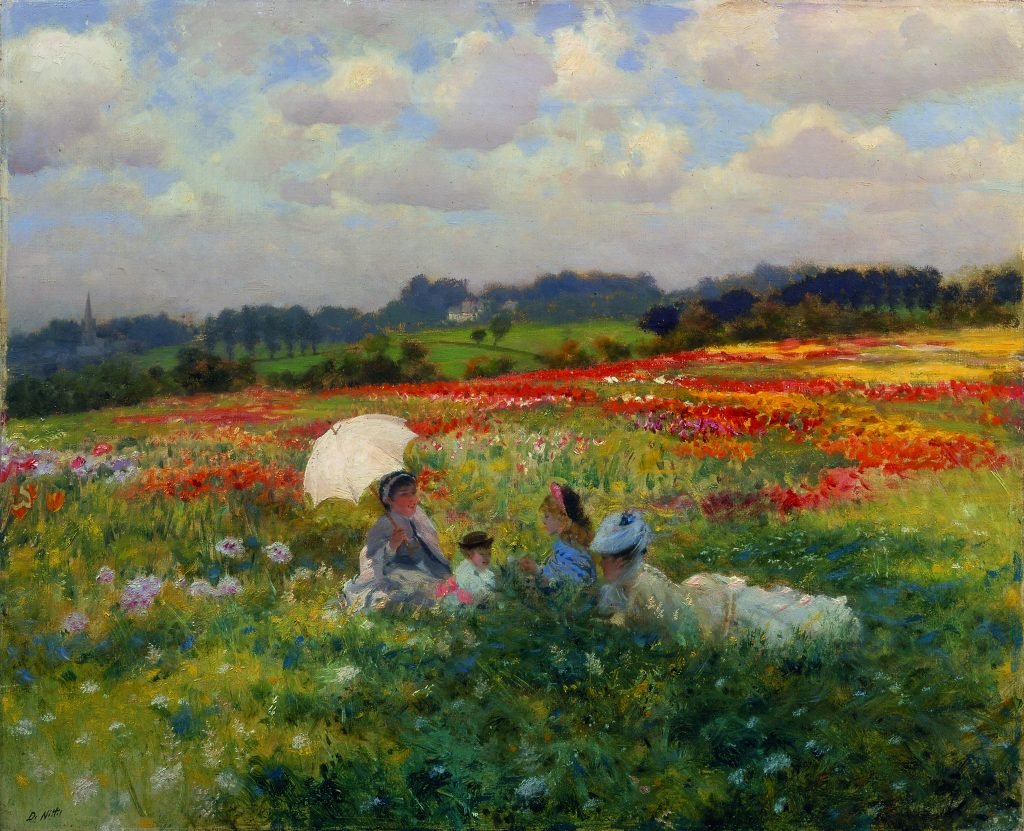
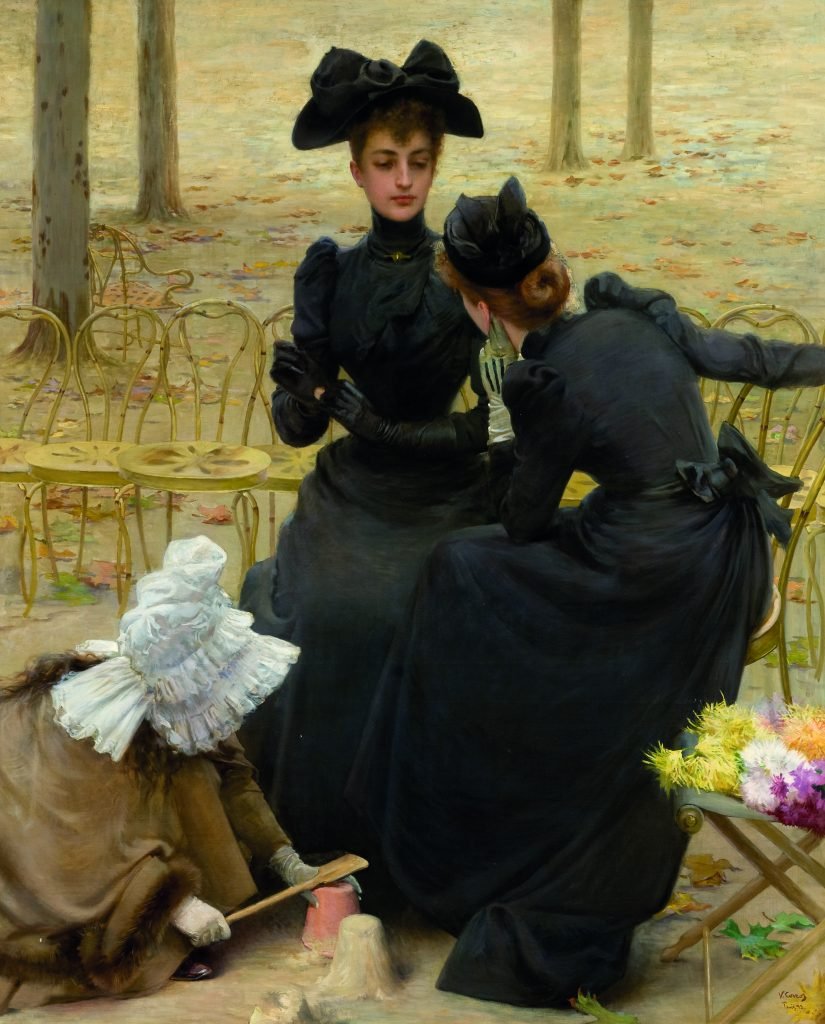
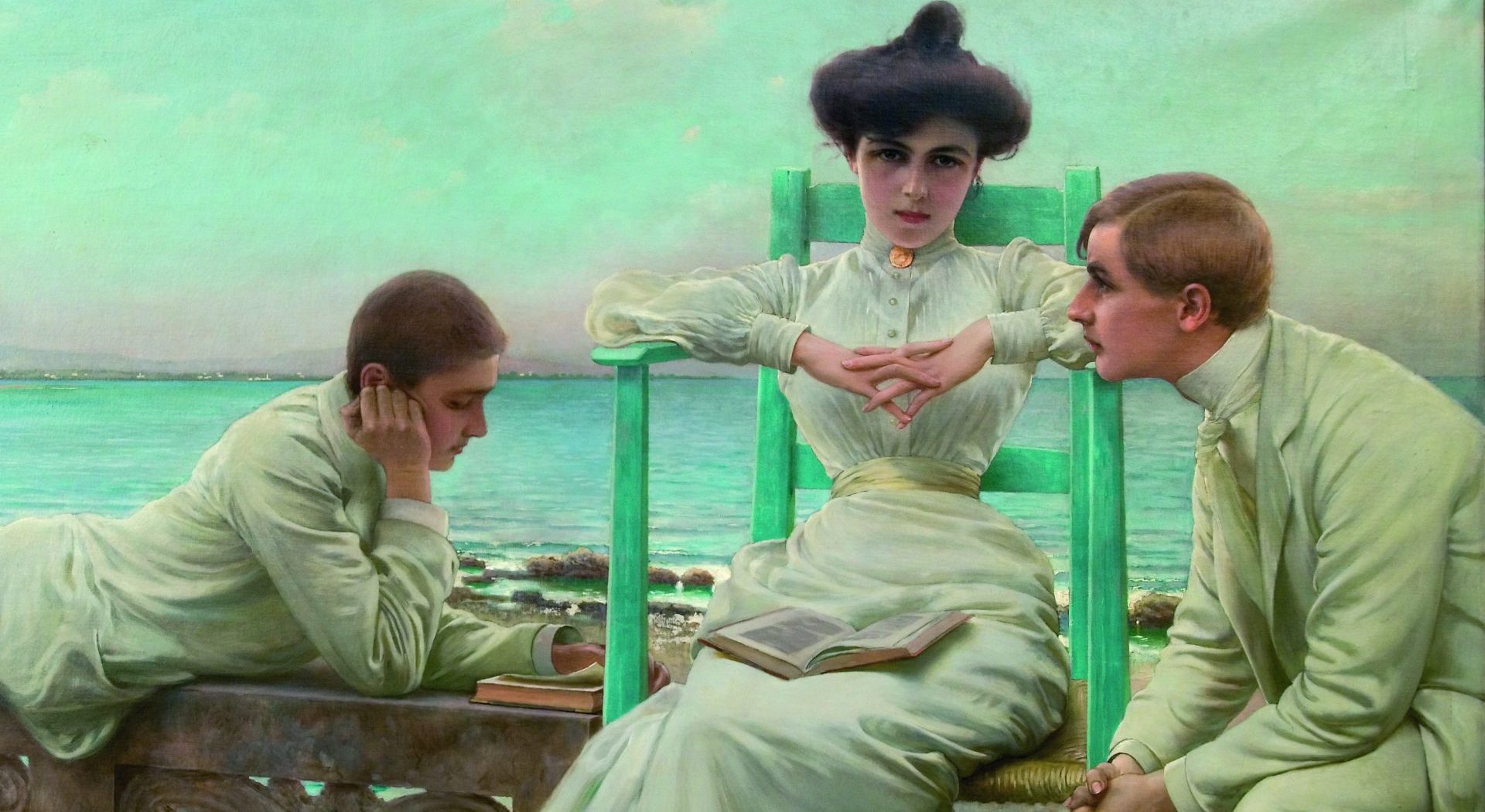
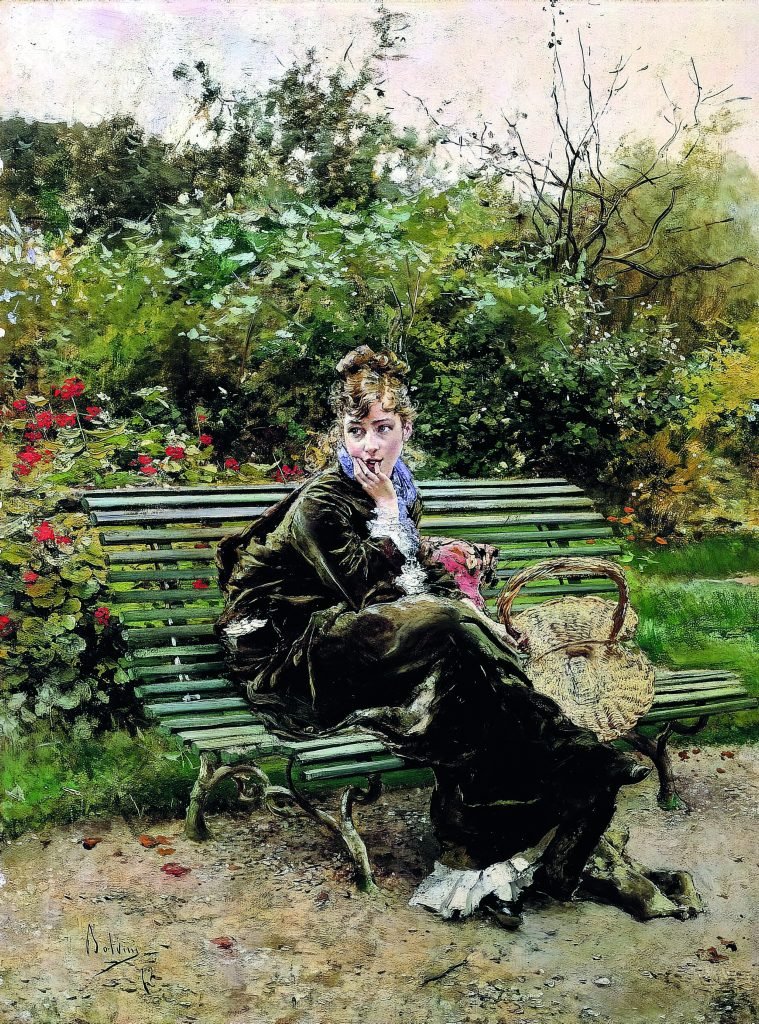
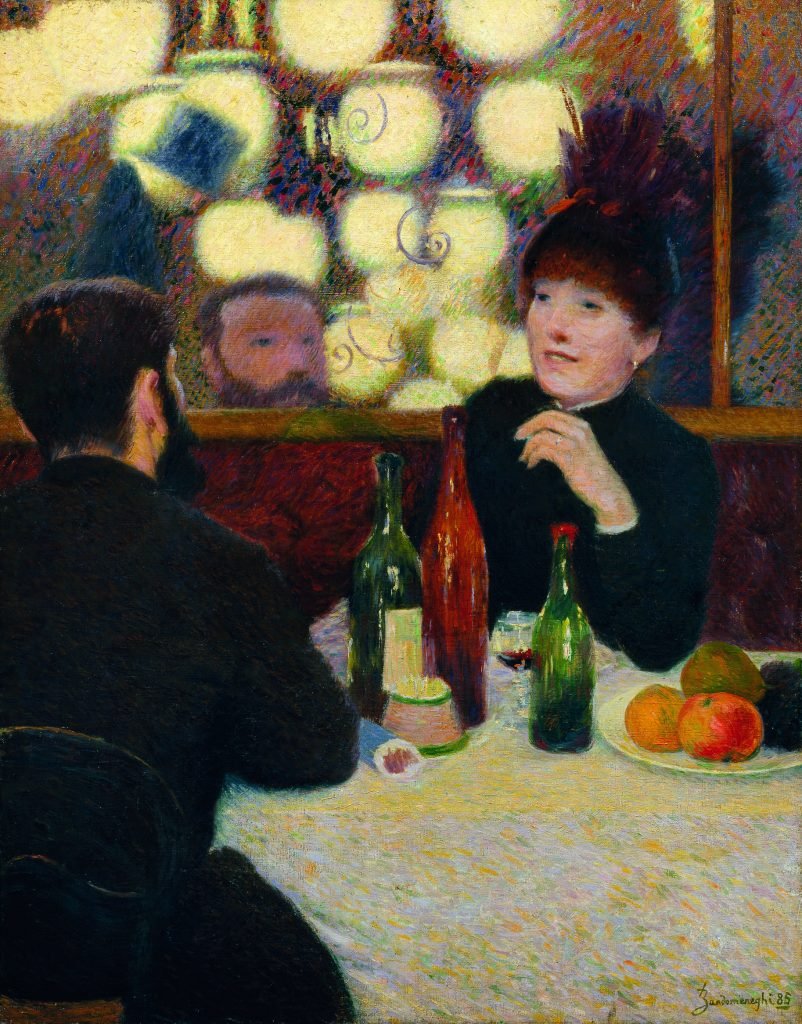
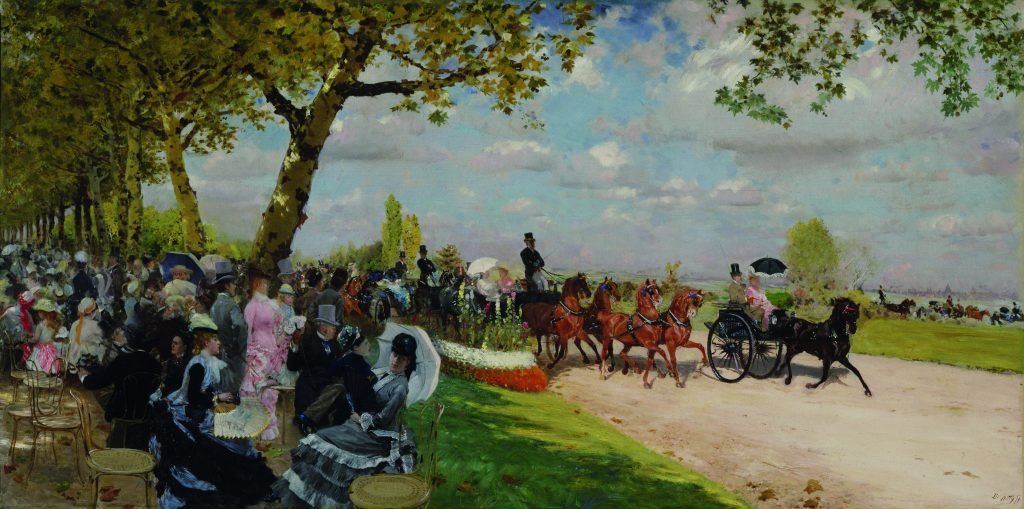
The exhibition focuses not on a sugar-coated Belle Époque, defined only by elegance, worldliness, and visual pleasure, but on a complex historical period marked by profound contradictions. It was a time of industrial progress and bourgeois growth, but also of social tensions, political fractures, and new urban identities. In this context, Paris became the laboratory of European modernity: a capital of art, taste, and fashion, but also a space for cultural debate and competition. It was here that a generation of Italian artists chose to confront the present. Giovanni Boldini, Giuseppe De Nittis, and Federico Zandomeneghi They moved to the French capital between 1867 and 1874, attracted by a dynamic, open, international artistic environment. They did not arrive as supporting actors, but as aware protagonists, ready to dialogue with Degas, Manet, Renoir, Caillebotte, Pissarro. Their painting captures modern life: boulevards, cafés, theaters, the new urban sociality, the female figure as a symbol of an era in transformation. The exhibition, featuring approximately one hundred works from leading museums and collections—from the Musée d'Orsay to the Louvre, from the Philadelphia Museum of Art to the Uffizi—presents this period as a European phenomenon, beyond mere stylistic definition. The elegance that emerges from the paintings is not surface, but language: a tool for narrating time, its rhythms, its anxieties.
The rich public program conceived by contributes to strengthening this critical reading. Palazzo Blu: a series of meetings and conferences, free of charge, that will run throughout the exhibition until March 2026. Each event explores a specific aspect of the Belle Époque, broadening the perspective beyond the works on display and revealing the cultural, social, and political context in which they were born. From the lights and shadows of the era, analyzed by historian Alberto Mario Banti, to the central role of fashion in building the Parisian myth, recounted by historian Virginia Arabella Hill; from the functioning of the art market and of the large international galleries – with the emblematic case of Maison Goupil – up to a detailed analysis of De Nittis's painting and its relationship with modern space. The series also opens to fin-de-siècle theatrical life, including café concerts, variety shows, and new celebrities, and concludes with a discussion led by the curator. Francesca Dini, which reconstructs the scientific and cultural reasons for the
exhibition project. One of the most significant aspects of the exhibition is its desire to transcend the clichés that have long surrounded the critical acclaim of these artists, often relegated to a decorative or complacent role. In reality, as is clearly evident, their relationship with Parisian modernity is anything but passive. Boldini interprets its most worldly and dizzying side,
De Nittis he becomes its sensitive and analytical chronicler, Zandomeneghi observes bourgeois everyday life with an intimate gaze, close to impressionist sensibility.
Although immersed in the beating heart of French culture, these artists maintain a deep connection to their Italian training, particularly to the Macchiaioli legacy and a figurative tradition grounded in the observation of reality. It is precisely this dual affiliation—Italian and international—that makes their work unique and difficult to compare to that of their French colleagues.
BELLE ÉPOQUE It thus presents itself as a necessary exhibition: not a nostalgic celebration of a happy era, but a conscious reinterpretation of a founding moment of European modernity. A time when art did not simply decorate life, but questioned it, interpreted it, anticipated it. And when Paris, capital of the world, also spoke Italian.