


THE BLUE PALACE IN PISA, A JOURNEY THROUGH MODERN PARIS THROUGH THE GAZE OF THREE ITALIAN MASTERS—BOLDINI, DE NITTIS, AND EZ ANDOMENEGHI—WHO TRANSFORMED PAINTING INTO A UNIVERSAL LANGUAGE, BETWEEN GRACE, LIGHT, AND DISquietude.
In the history of European art there is a time when everything seems to dance: the light fabrics, the shadows of the boulevards, the reflections of a sunset on the Seine. It is the Belle Époqueand—a season suspended between nostalgia and progress, in which Paris becomes the beating heart of a new modernity. To that refined and contradictory world, Palazzo Blu dedicates its major autumn exhibition: Belle Époque. Italian Painters in Paris in the Age of Impressionism, open from October 15, 2025, to April 7, 2026. This ambitious and necessary project, curated by Francesca Dini, brings together over one hundred works from the most important international museums—from Musée d'Orsay to the Philadelphia Museum of Art — to tell, with a renewed perspective, the role of the Italian painters who conquered the French capital and gave it visual form. Giovanni Boldini, Giuseppe De Nittis e Federico Zandomeneghi They were not simply witnesses to a happy era, but interpreters of its deepest soul: the search for an elegance that was not merely aesthetic, but intellectual. In their canvases, fin-de-siècle Paris is not a postcard backdrop, but a living organism, teeming with life and contradictions. Boldini captures the vertigo of movement and the theatricality of desire; De Nittis depicts the light filtering through café curtains and the bourgeois gestures of everyday life; Zandomeneghi, more intimate and lyrical, conveys the secret rhythm of everyday life, female figures captured in the suspended grace of a thought. Together, they paint a portrait of a modernity reflected in the faces and habits, gestures and dreams of a continent in transformation.
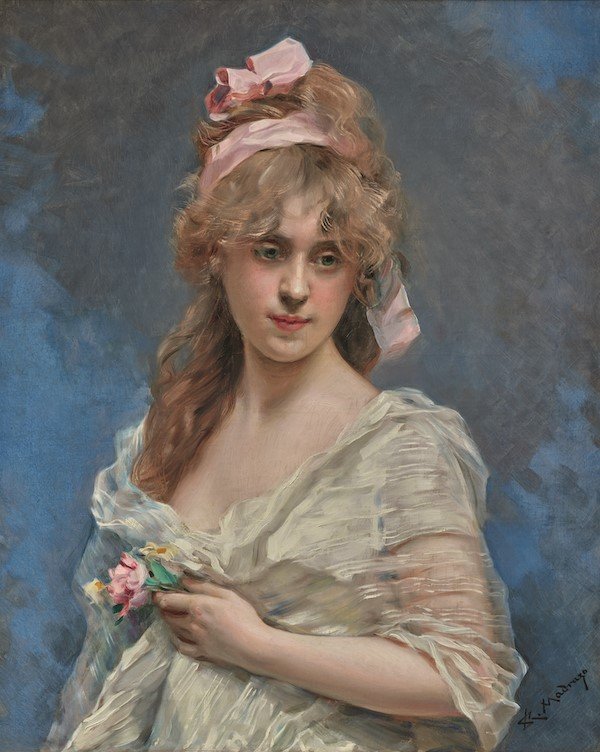
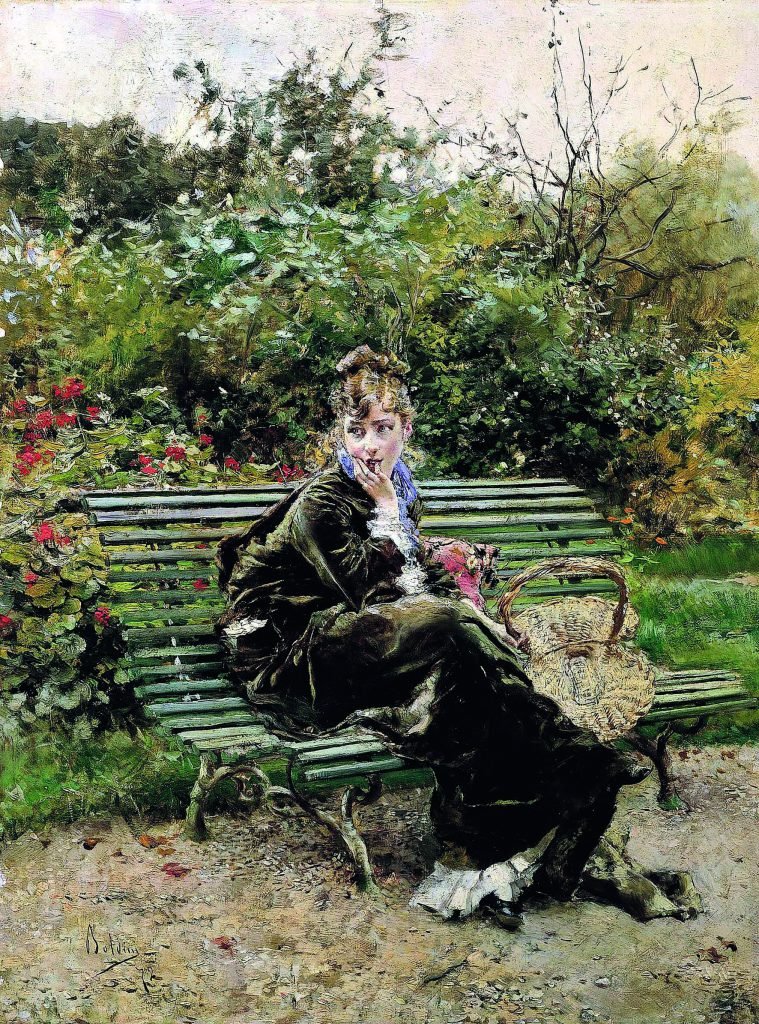
The exhibition, organized by World Exhibitions with the contribution of the Pisa Foundation and in collaboration with the De Nittis Art Gallery of Barletta, is more than an aesthetic celebration: it is an exercise in memory and awareness. The exhibition, divided into nine sections, takes visitors from the political drama of the Paris Commune to the birth of bourgeois taste, from the influence of Fortuny to the birth of the social portrait. Each room offers a different nuance of the era—some brilliant, some melancholic—in which art became the mirror of a civilization in search of itself. "This is not just an exhibition of 'beautiful masterpieces,'" explains curator Francesca Dini, "but a journey into the European consciousness through three Italian artists who, while adopting the international language of modernity, never renounced their cultural roots." A statement confirmed by the vitality of the works: canvases that still speak of style today, but also of restlessness, a desire for affirmation, disorientation, and grace. The project, which includes conferences, film screenings, and a prize dedicated to the San Rossore Hippodrome, renews Palazzo Blu's vocation as a meeting place for research and dissemination, beauty and knowledge. Pisa thus becomes a crossroads for a dialogue between past and present, between the city of ideas and the capital of the arts.
And as your gaze rests on Boldini's portraits or De Nittis's pastels, you can still hear the rustle of clothes, the hurried steps on the wet pavement, the distant music of a waltz that never truly ends. It's the echo of a lost, yet close, world: one where beauty was still a way of thinking, and art—as Baudelaire wrote—"a promise of happiness.".