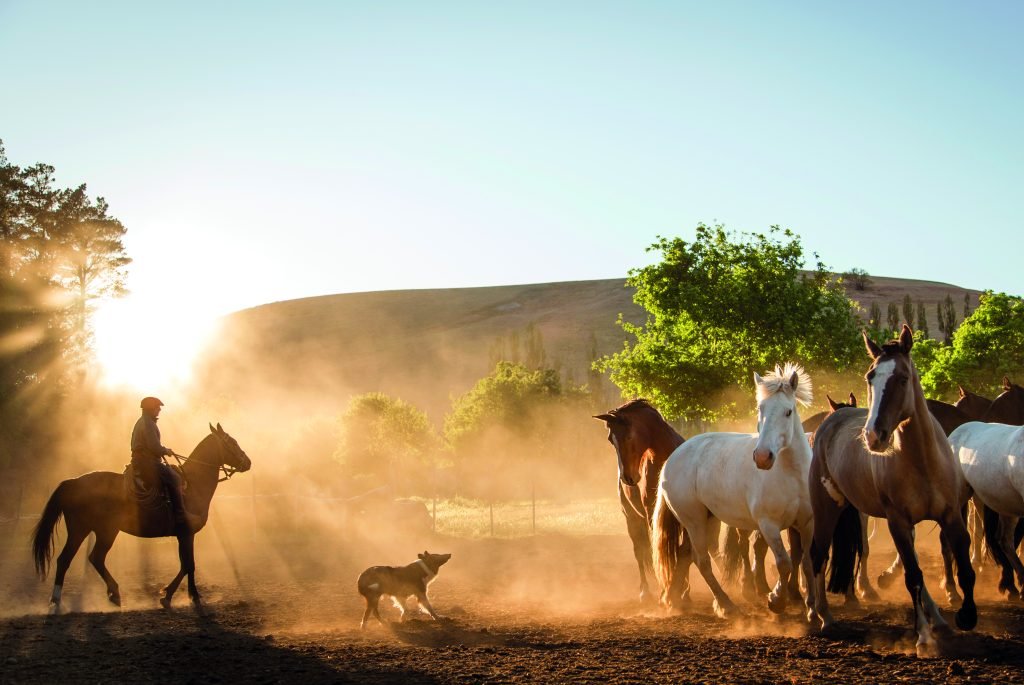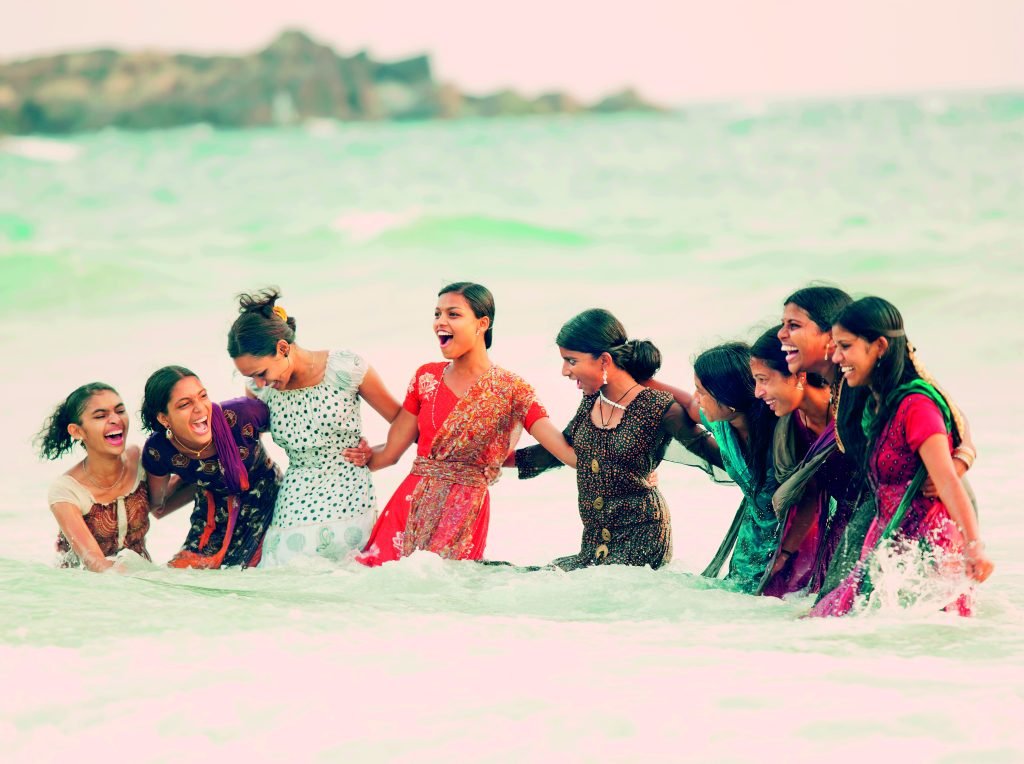

WHEN PHOTOGRAPHY BECOMES THE LANGUAGE OF THE IMAGINATION, PHOTOGRAPHY IS NOT JUST A PROFESSION, BUT A WAY OF LOOKING. OVER THE LAST THIRTY YEARS, ITS LENS HAS CROSSED OVER ONE HUNDRED AND TWENTY COUNTRIES, GIVING LIFE TO IMAGES THAT RESEMBLE PAINTINGS MORE THAN SIMPLE DOCUMENTATIONS.
«"I'm not just interested in describing a place," he says. "I want to leave room for the viewer's imagination." Recognized for his cinematic style, essential color palettes, and evocative use of light, Philip Lee Harvey's work has appeared in Condé Nast Traveller, Vanity Fair, National Geographic, and numerous commercial campaigns for international brands. But behind the accolades lies a storyteller still chasing the perfect moment: that fleeting instant where beauty, atmosphere, and narrative intertwine. Harvey's story begins not with a camera, but with a father who was a landscape painter. "I grew up in a very visual home," he recalls. "I started taking pictures at 12, borrowing my dad's Nikon during vacations. Eventually, he bought me one of my own, probably to stop his from being stolen." That early exposure to professional photography—lightboxes, film, visual critiques at the dinner table—made creativity seem natural to Harvey, not unattainable. "It didn't seem mysterious to me. It seemed possible.".
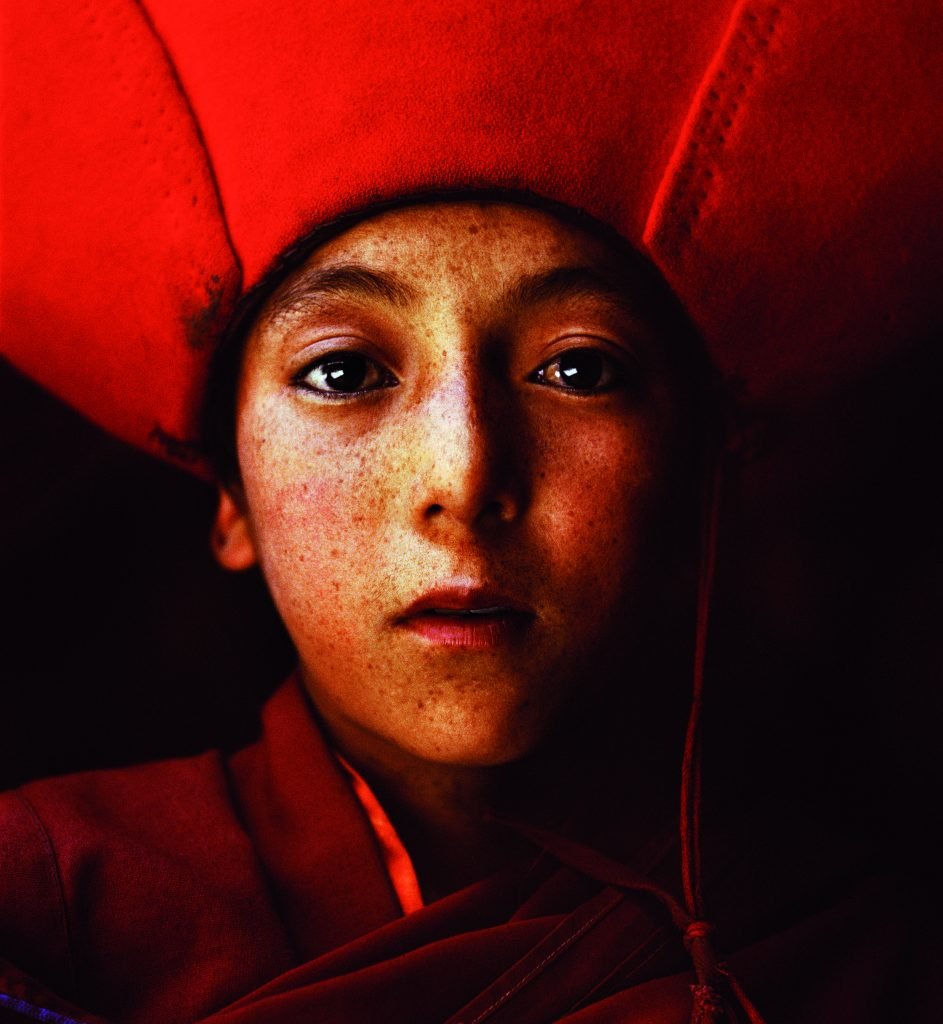
There wasn't a single turning point, but Harvey remembers one image well that changed everything: the portrait of a young monk in India. Shot on film with a Hasselblad, the photo had "everything I was looking for without knowing it": painterly quality, strong composition, and graphic simplicity. "When I saw the print, I couldn't believe I'd made it myself." He still chases that instinctive magic today. "Those are the photos I still chase—the ones I don't really believe I made.".
What defines a Philip Lee Harvey image? "Light, composition, and story," he replies without hesitation. But he rejects the idea of a fixed style: "I hate formulas. I love consistency, but I want every shoot to surprise me.".
Rather than planning each shot, he prepares mood boards: collections of emotional tones and visual references ranging from painting to music, from cinema to architecture. "I don't want to imitate what others have already done. I want to let the destination speak, respond to the light and energy of the place." Harvey, however, remains a self-confessed romantic about the world. "I like to make it beautiful. That's the truth.".
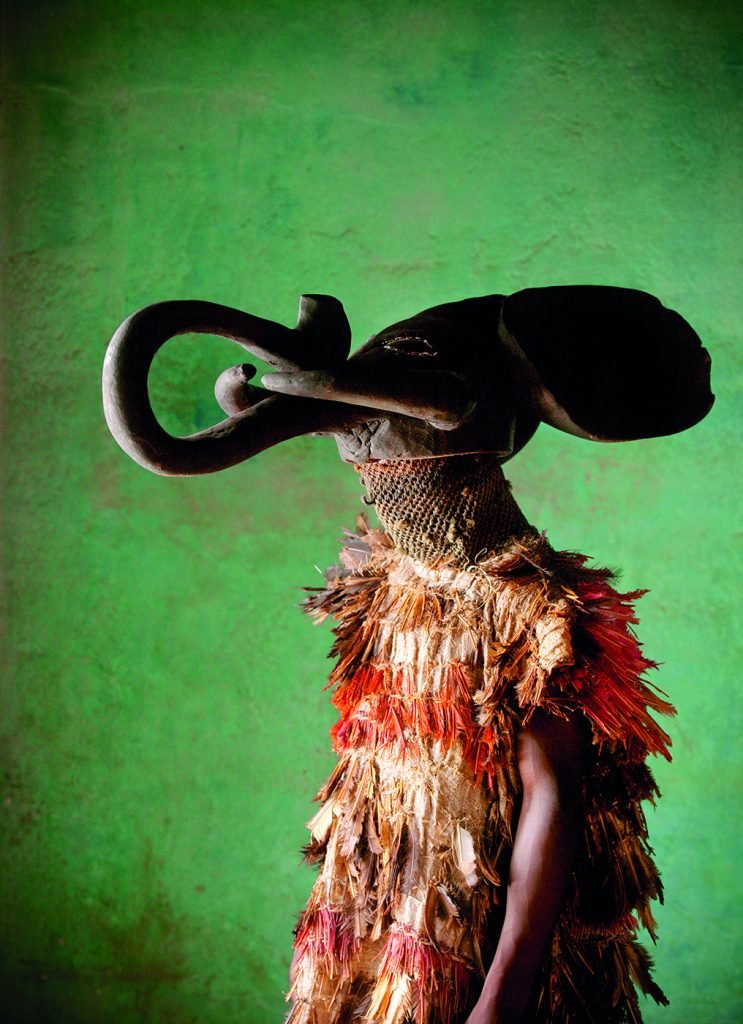
Whether voodoo ceremonies in Haiti or luxury lodges in East Africa, his greatest skill is transforming the ordinary into something cinematic. Even at the most iconic sites, he looks beyond the monument, towards the people and stories that bring it to life. "Of course, I take the conventional photo first—it's part of the professional work," he explains. "But then I give myself the freedom to be creative.".
Every return to a famous place is a new opportunity: the light is different, the people are different, his perspective is different. "These places aren't just destinations, they're part of a living history." He recalls, for example, photographing the Mohammed V Mosque in Morocco: architecturally grandiose, sure, but what struck him was its social role. "The building is just the canvas," he observes. Each assignment becomes a challenge to redefine the already known, to find a new angle through emotion, context, and narrative layering. "You can always get a sure shot. But afterward, you can be daring—crawling under something, photographing through windows, changing lenses, playing with timing. That's where the story is born.".
Its influences are heterogeneous: Turner, Giacometti, Monet, and the masters of the National Geographic as Sam Abell and William Albert Allard. But rather than imitate, Harvey has absorbed these inspirations to forge a voice that is unmistakably his own. "My goal has always been to become so technically confident that I no longer have to think about the camera—so that creativity can guide me.".
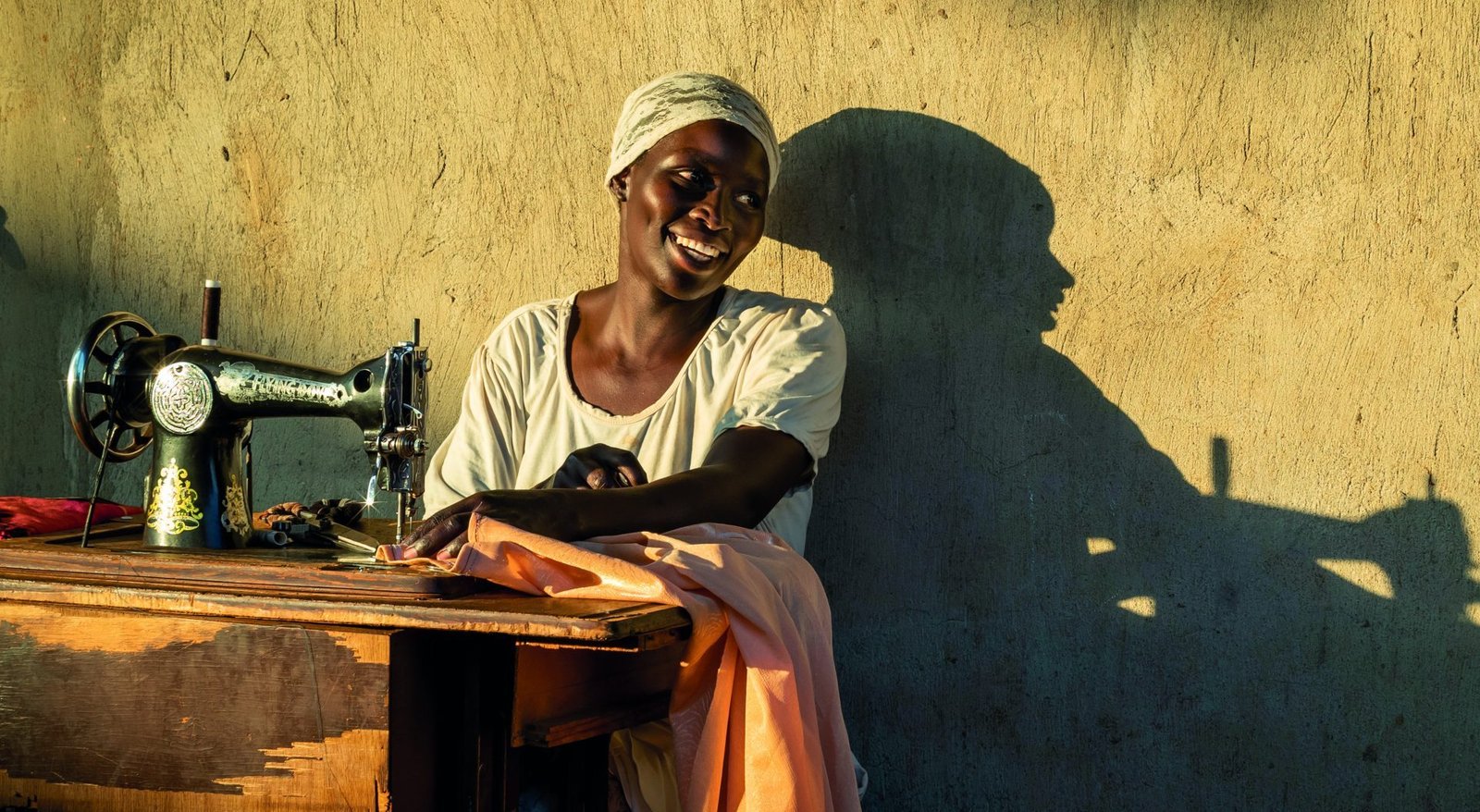
Today, she alternates commercial work with documentary and filmmaking projects, including her role as creative director for Spotlight on Africa, a small British charity working in rural Uganda, focusing on education and health. "It was a life-changing experience," she confesses. "Seeing what something as simple as access to clean water can do, and being able to tell this story... is incredibly rewarding.".
Photography remains the foundation of Harvey's visual identity, but film has become an increasingly powerful parallel voice. "I'd say half my work today is video," he explains. "But I approach it the same way I approach still images: with composition, lighting, and timing.".
The shift to movement wasn't a departure, but an expansion. "The same instincts apply. The same search for atmosphere and story. But with film, you observe how the moment breathes—sometimes it's not the moment itself that counts, but the moment immediately before or immediately after.".
This approach has also influenced photography, giving it a fluid, almost cinematic tension. "I sometimes compose shots as if they were stills from a film." For Harvey, the two disciplines don't compete: they feed off each other. "Each refines the other. Cinema taught me patience, rhythm, and to let the story flow naturally.".
Despite her years of career, her passion hasn't waned. "I think I'm better today than ever," she smiles. "I'm still learning, refining, and I'm still addicted to the process.".
Whether capturing images for luxury hotels and resorts or capturing the joy of a remote village, his motivation is always the same: to move the viewer. "Beauty continues to inspire me. The light piercing the clouds, or a gesture between people. That's enough for me.".
And if you ask him what success means, his answer is simple: «Continue doing what I love, and share my journey.».