
TIMELESS ELEGANCE, MECHANICAL GENIUS, AND AN AESTHETIC REVOLUTION: THE LEGEND OF THE DS, THE CAR THAT BROUGHT THE FUTURE TO POST-WAR ROADS. THE REVOLUTION HAS A SHAPE: TAPERED, SHARP: IN A WORD… DS.
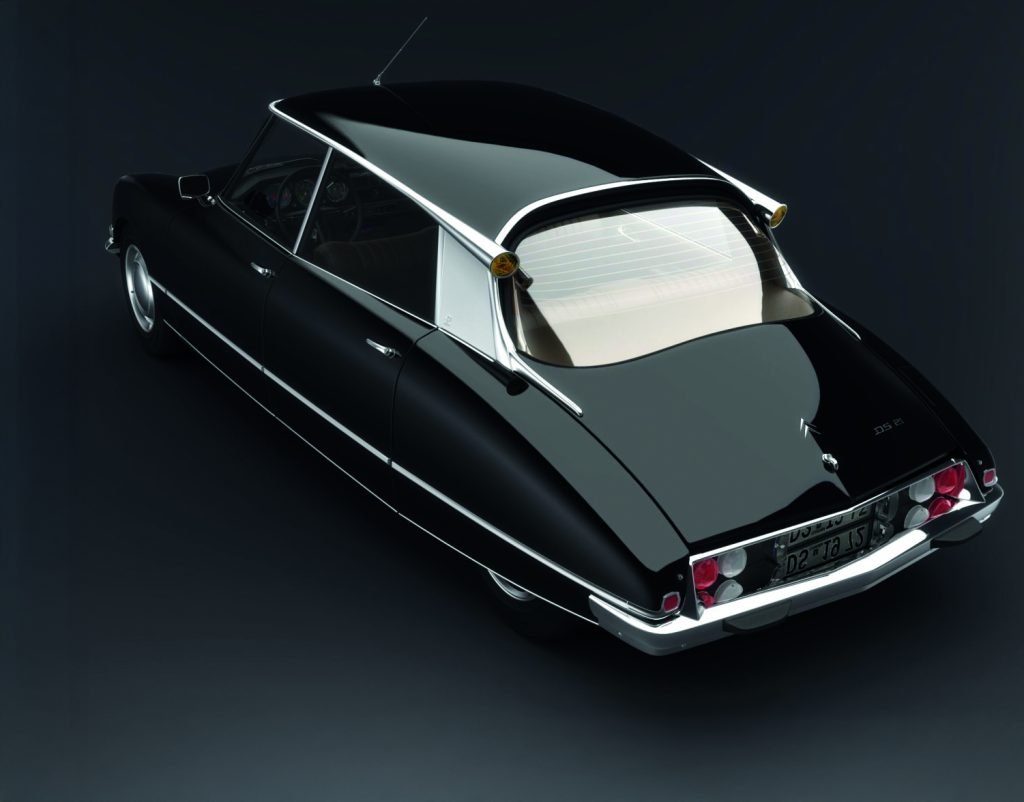
Once upon a time, on the gray roads of post-war Europe, there was a car that seemed to come from another planet. When the Citroën DS When it was unveiled at the 1955 Paris Motor Show, the crowd was breathless. In just 15 minutes, 743 orders were received. By the end of the day, there were over 12,000. It wasn't a car: it was a statement of intent. A moving sculpture. A spaceship on Earth. Yet, among all the versions, one stood out for its refinement and charisma: the DS Pallas, named after the Greek goddess of wisdom and elegance. In France, it was nicknamed "La Déesse," the Goddess. In Italy, they called it "Lo Squalo," for its tapered, hydrodynamic lines, which seemed to slice through the air like water.
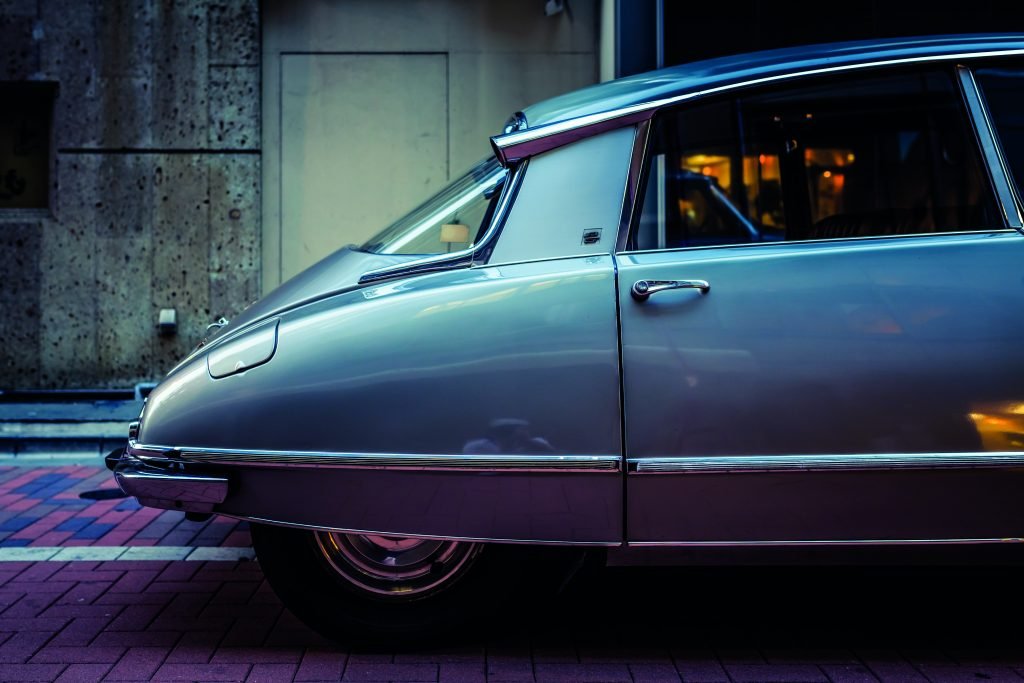
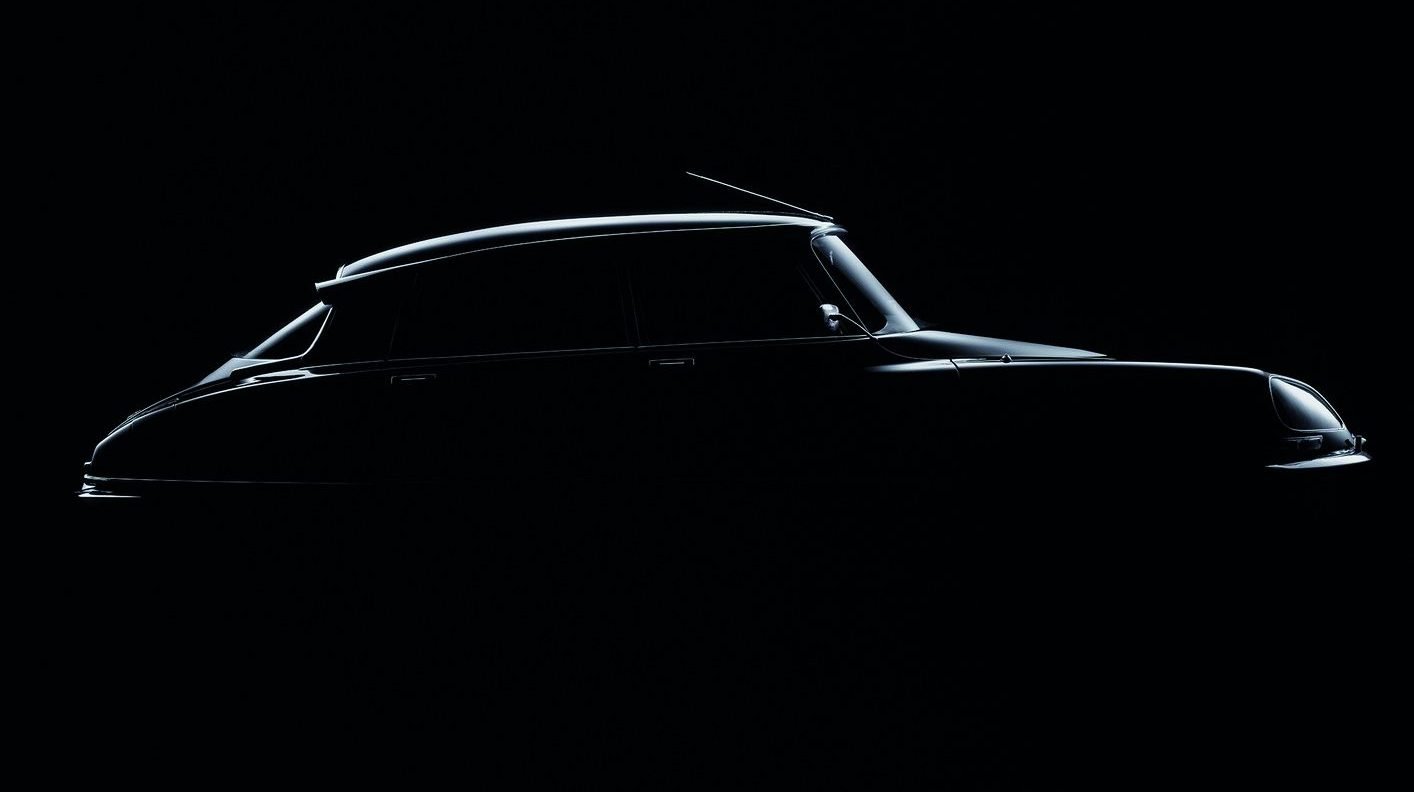
A LINE THAT STILL AMAZES TODAY Designed by the genius of Italian Flaminio Bertoni, A sculptor before it was a designer, the DS anticipated the modern aerodynamic concept of cars by decades. Its flowing body, semi-covered rear wheels, directional headlights (an absolute first), and aggressive front end, which earned it the nickname "aquatic," made it an instant icon. But the DS was much more than a living room beauty.
CUTTING-EDGE TECHNOLOGY AND SUBLIME MECHANICS The DS introduced self-leveling hydropneumatic suspension, capable of absorbing every bump in the road as if floating on air. A smooth, silent, and impeccable ride.
Power steering, a semi-automatic transmission, and front disc brakes: innovations that competitors would take years to introduce. The engine, while not particularly powerful, was designed for stability and efficiency, ensuring long journeys in complete comfort and safety.
THE PALLAS: THE QUEEN OF THE RANGE In the Pallas version—with its high-sounding name and luxurious finishes—the DS reached the pinnacle of style. Fine leather interiors, refined chrome, meticulously selected materials, even an unmistakable scent that still lingers in lovingly preserved models today. It was the car of choice for Charles De Gaulle, which even owed its life to it in 1962, when the hydropneumatic suspension allowed its driver to escape unharmed from an attack. François Truffaut He had Jean-Paul Belmondo drive it. Rolling Stones, Alain Delon, Yves Montand, the DS was the car of artists, dreamers, revolutionaries in suits and ties. The rarity of the cabriolet And then, like a dream within a dream, there was also the DS Cabriolet, created in a limited edition by Henri Chapron. A model so elegant it seemed like a piece of haute couture on wheels. A collector's rarity, it now fetches astronomical prices at international auctions. But its value is not just economic. It's emotional. It's historical. It's pure charm. A legacy that stands the test of time. Today, the DS brand has returned as a luxury brand of the Stellantis group, paying homage to that golden era with refined models and advanced technology. But the heart remains there, in the original DS, in the Pallas, in the Shark.
It's not nostalgia. It's gratitude for a masterpiece that redefined what an automobile could be: not just a means of transportation, but a traveling work of art.
When you fire up the DS Pallas, you don't drive: you fly. And anyone who's driven it, even just once, knows it: no car will ever be like it again.