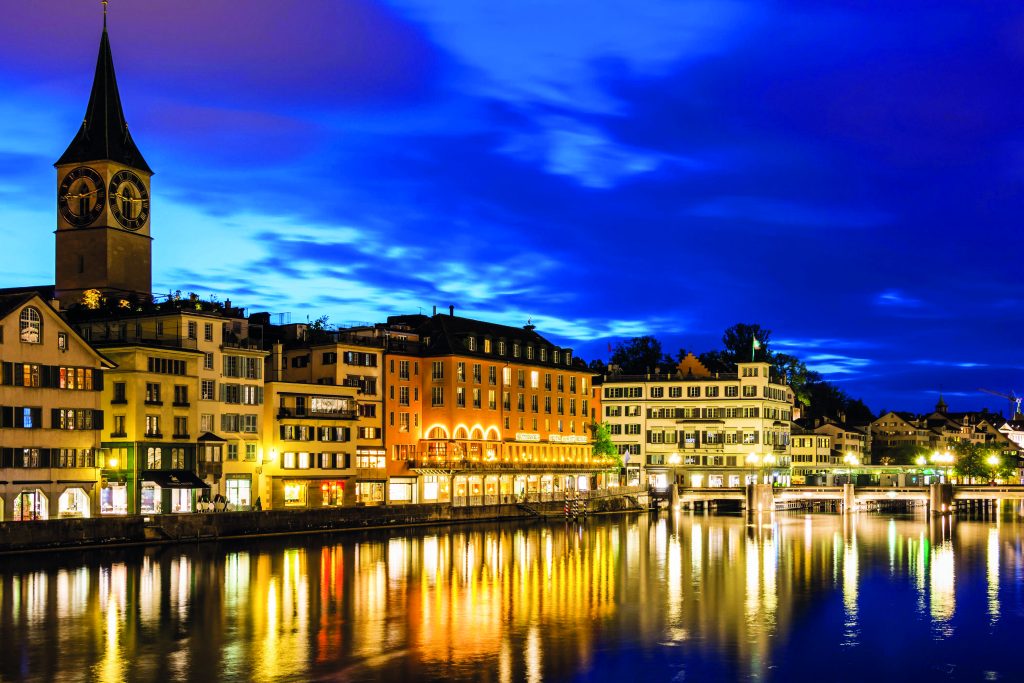

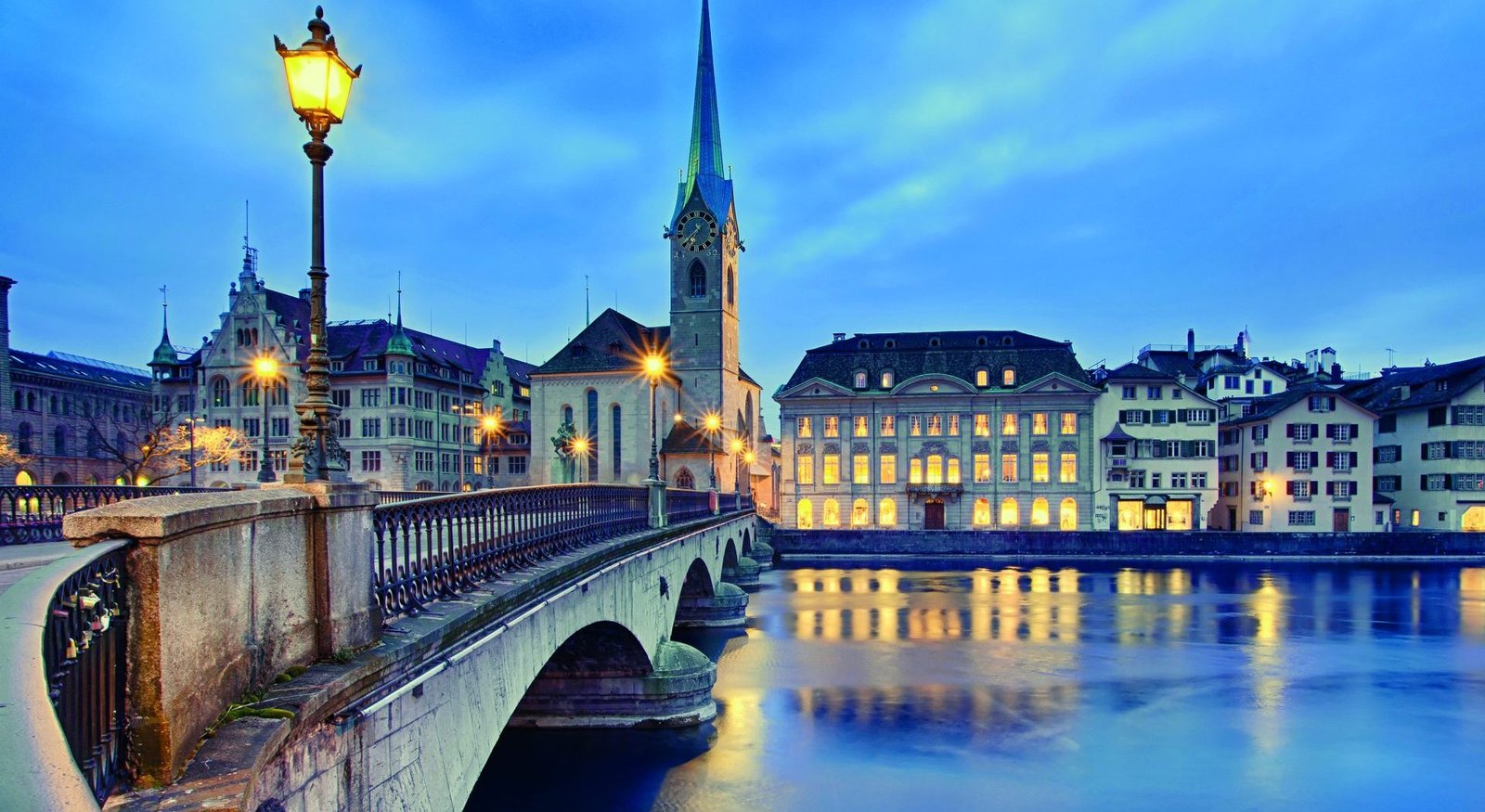
A JOURNEY THROUGH MEDIEVAL LANES, QUIET SQUARES, AND PEACEFUL SHORES WHERE EVERY DETAIL TELLS THE STORY OF A CITY THAT DOESN'T RUSH OR GUSTAK, BUT SEDUCES WITH BALANCE, CONTINUITY, AND TIMELESS BEAUTY. FROM THE OLD TOWN CENTER TO THE LAKE, FROM THE VIEWS OF UETLIBERG TO THE COLLECTIONS OF THE KUNSTHAUS, EVERY STEP BECOMES A DISCOVERY AND EVERY GLANCE A STORY.
Zurich It never offers itself suddenly. It lacks the urgency of cities that seek to please. It must be understood by walking, at the right pace, letting the details do the work. Its historic center is a compact and silent organism, stretching along the eastern bank of the Limmat, where the streets rise sharply and the stones tell their story without emphasis. Here, the architecture doesn't seek to amaze: it endures. The ancient facades, the narrow windows, the heavy doors speak of a city that has chosen continuity over rupture. Lindenhof is the first place to stop. A discreet, almost hidden hill overlooking the river and the fabric of the old city. Once a Roman fortress, today a shady park.
A few benches, mature trees, and unhurried chess players. From here, Zurich reveals itself for what it is: orderly, compact, traversed by water and time. There's no unnecessary noise, just the low sound of the city at its core.
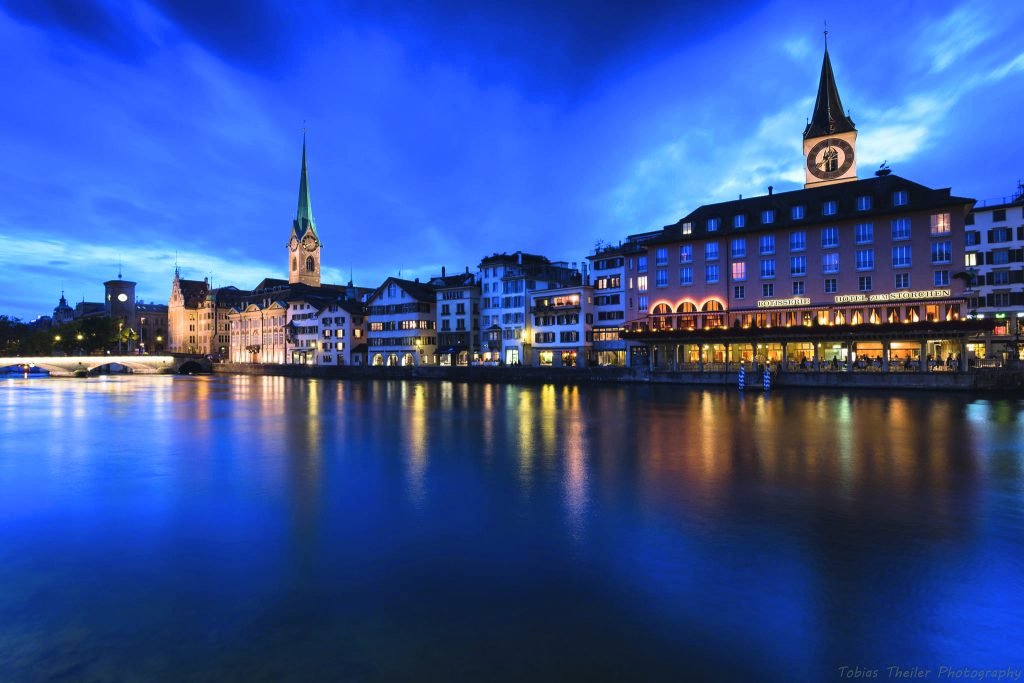
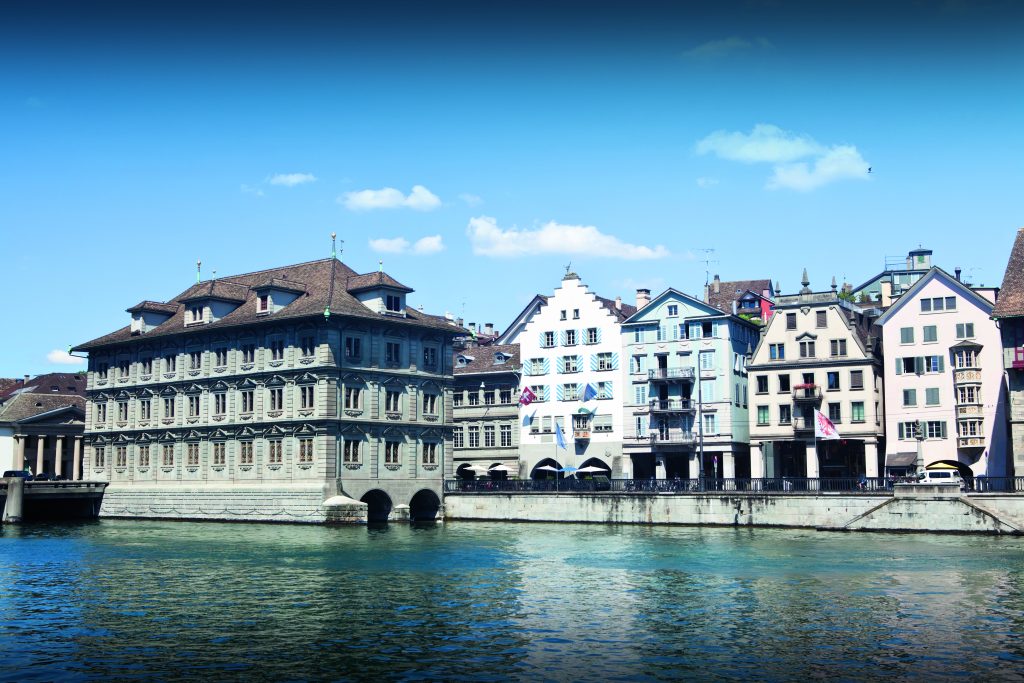
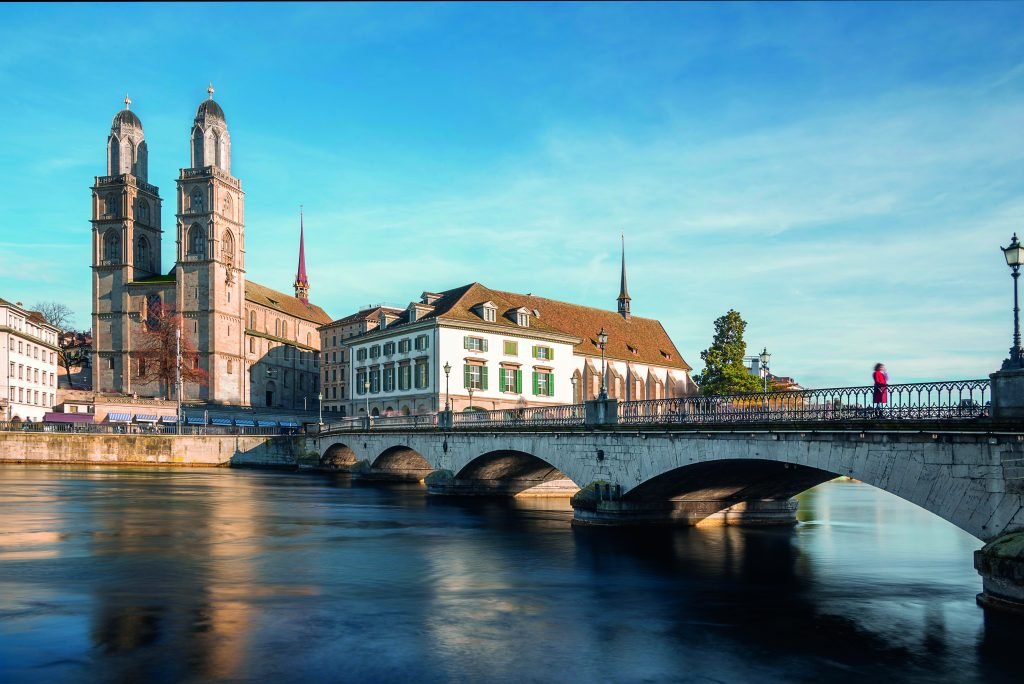
Descending towards the river, you enter the symbolic heart of Zurich. The Limmat doesn't divide: it accompanies. It reflects the historic guildhalls, solid buildings that once governed the economy and now house restaurants and quiet lounges. Town Hall, Built between the 17th and 18th centuries, it seems to float on the water. Massive, late-Renaissance, it doesn't impose authority: it exercises it with ease. Inside, the Baroque ceremonial hall maintains a restrained solemnity, consistent with the city's character.
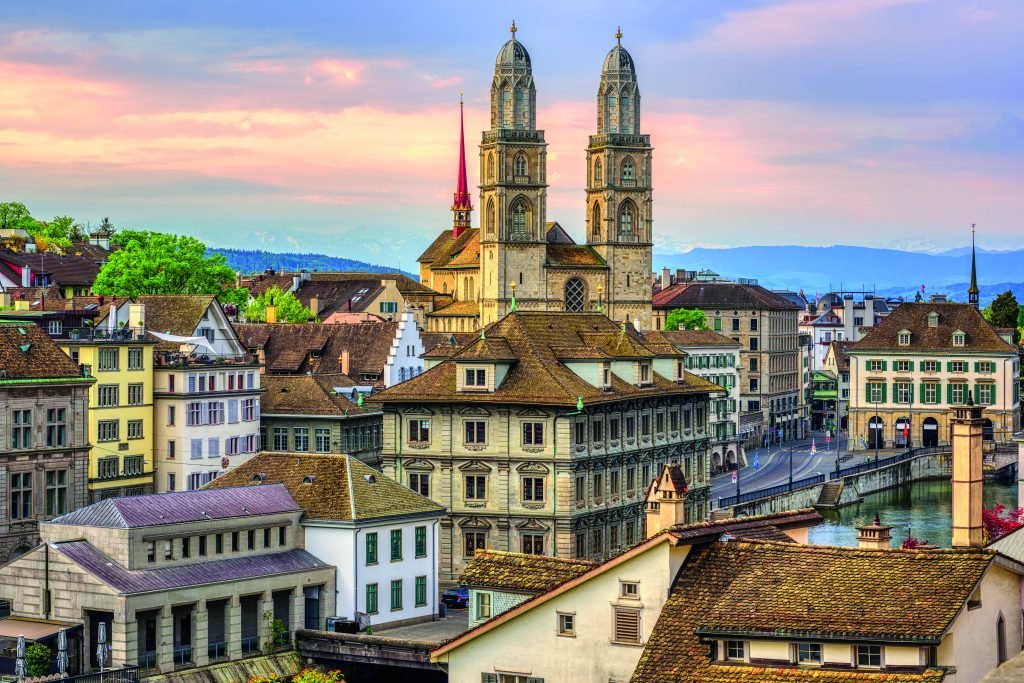
A little further on, the Grossmünster dominates the skyline with its twin towers. It is the focal point of Zurich. Romanesque, austere, built between the 11th and 13th centuries, it bears the signs of time and transformation. The modern stained glass windows Giacometti and the bronze doors of Otto Munch They don't break the balance: they complete it. Inside, the light enters in a controlled, never theatrical way.
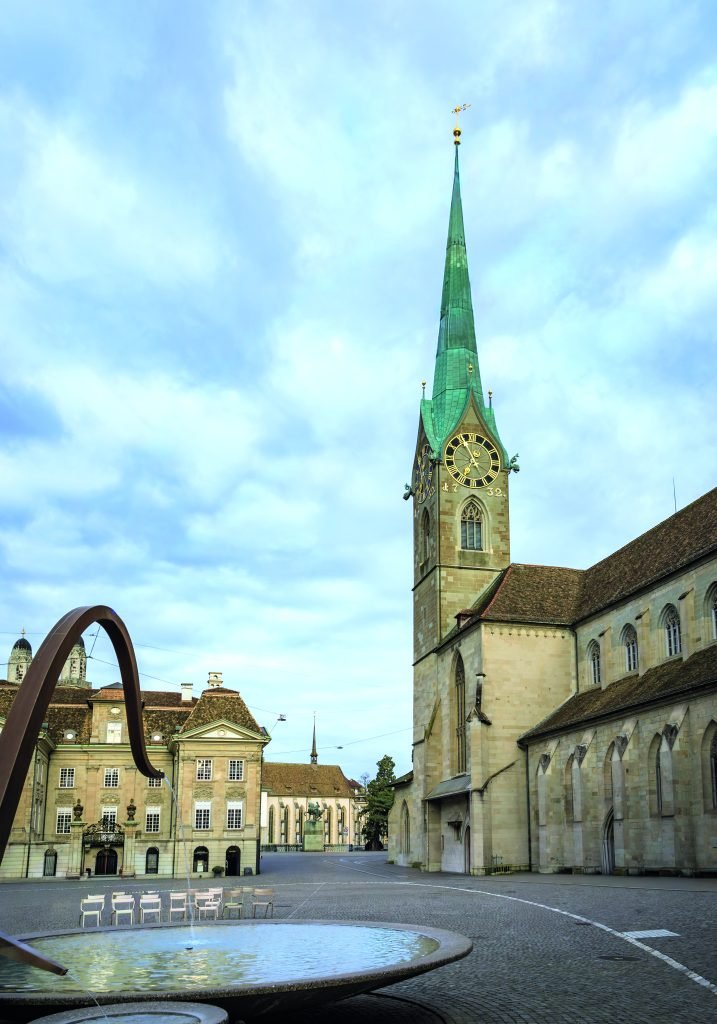
It's a church that demands not devotion, but attention. Opposite, the Fraumünster tells a different story. Founded as a nunnery in 853, it was for centuries a place of silent power. Today, Marc Chagall's stained-glass windows, created in 1970, color the choir with an almost unreal delicacy. Here, spirituality comes through color and light, not through the voice. It's a beauty that doesn't distract, but endures.
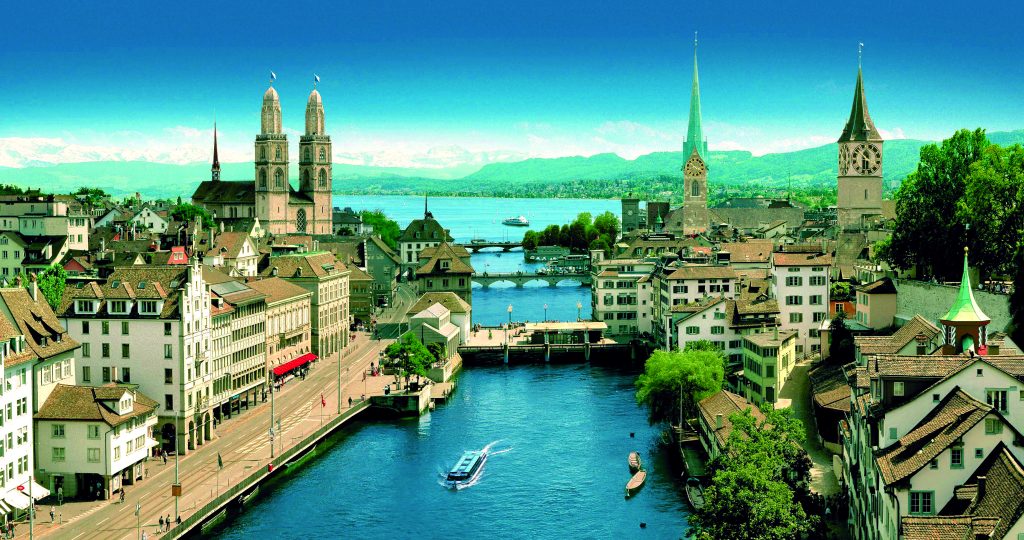
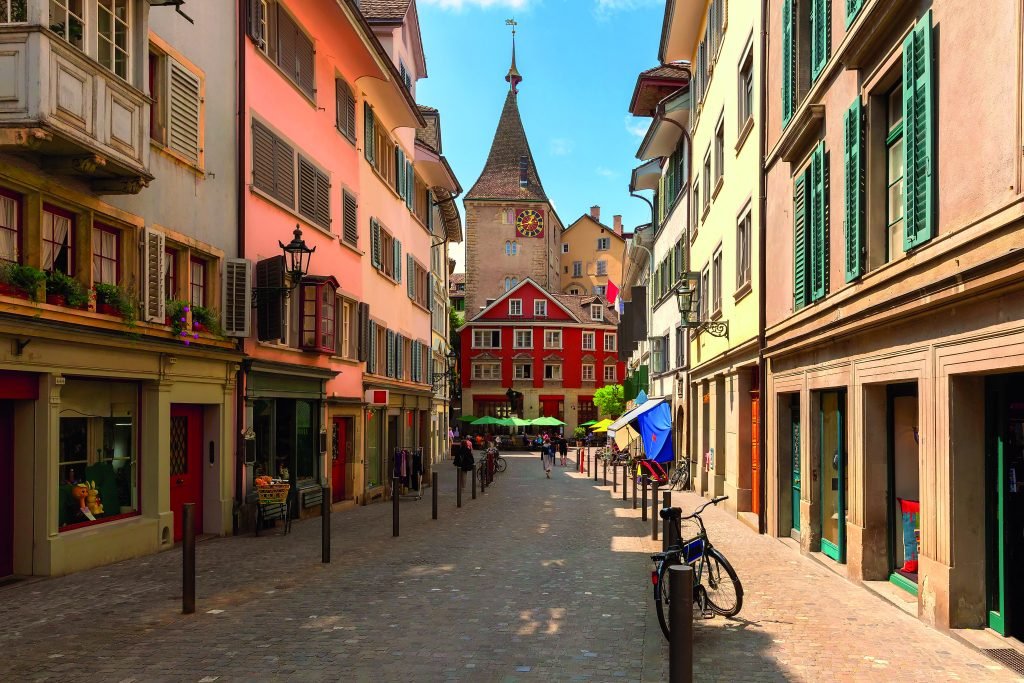
Then there is the Niederdorf. The Dörfli, as the locals call it. The neighborhood that makes Zurich more human. Winding alleys, no cars, small, authentic shops: antique dealers, bookstores, artisan workshops, pastry shops. By day, it's a slow pleasure; by night, it lights up without ever becoming noisy. The pubs fill up, the lights reflect on the water, the city takes a break. It's the place where you understand that Zurich also knows how to let go, but always in moderation. The lake is another chapter. Perhaps the most important. Lake Zurich isn't just a view: it's a way of life. Its shores are lived in, traversed, inhabited. Here, people run, sunbathe, swim. But above all, they observe. Taking one of the cruises is the best way to understand it: the water opens up, the mountains come closer, the city recedes without ever disappearing. It's a slow, essential movement. Like everything here.
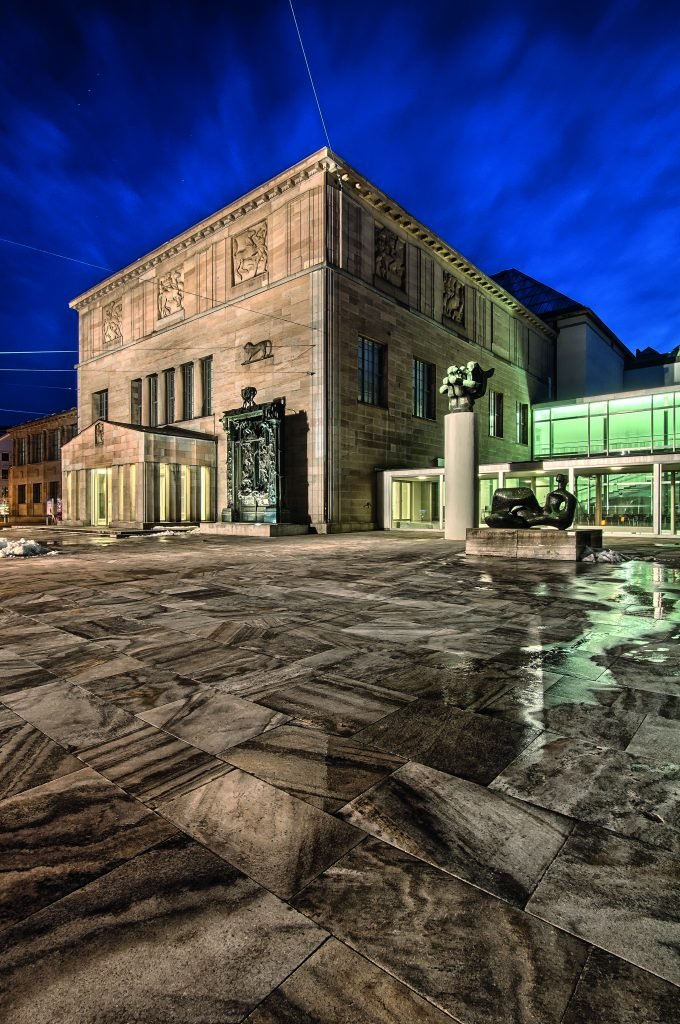
From above, the Uetliberg completes the story. It's the point of detachment. From up there, Zurich appears composed, almost restrained. The city, the lake, the greenery. Everything is in its place. There's no need to add anything. Even art follows this line. Kunsthaus Zurich, inaugurated in 1910, does not flaunt its importance.
Yet it houses one of the most significant collections in Switzerland. From the Middle Ages to contemporary art, with a special focus on Swiss art. Monet, Munch, Picasso, and Giacometti coexist without competing. It's a museum that demands time, not immediate excitement. Finally, Bahnhofstrasse. Less than a kilometer from the station to the lake. Elegant, orderly, never overbearing. High-fashion boutiques, fountains, art installations, trees. Here too, luxury is restrained, observable, never intrusive. Even the central station, with its enormous underground shopping mall, maintains a rare balance.
Zurich is a city that doesn't seduce with special effects. It doesn't raise its voice. It doesn't chase. It stands firm, solid, coherent. And precisely for this reason, it endures. Like well-built things. Like cities that don't need to explain themselves.