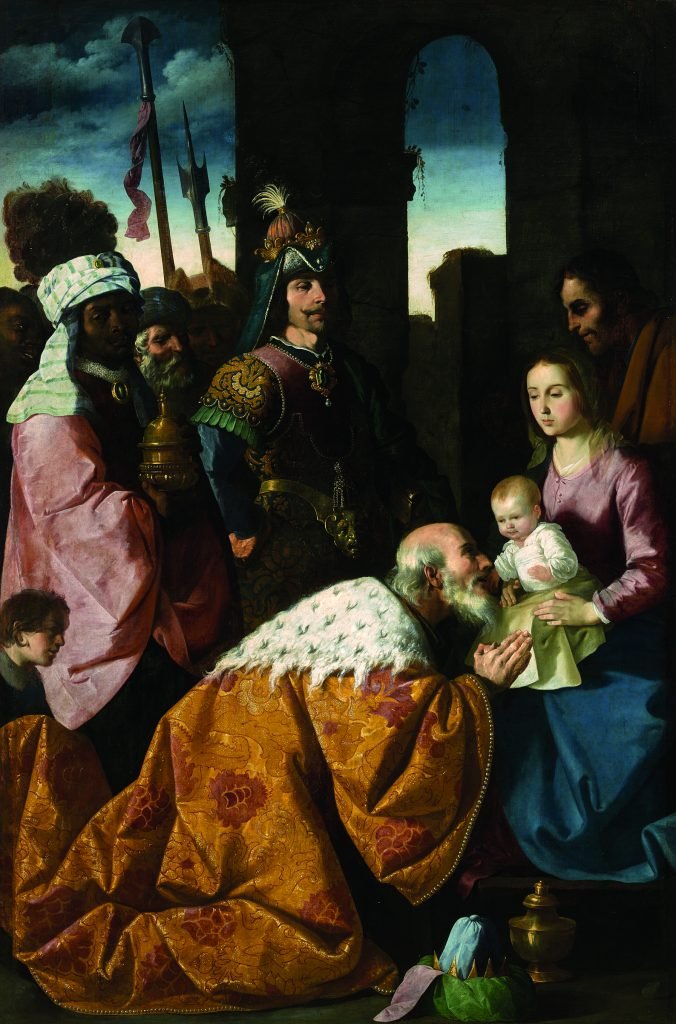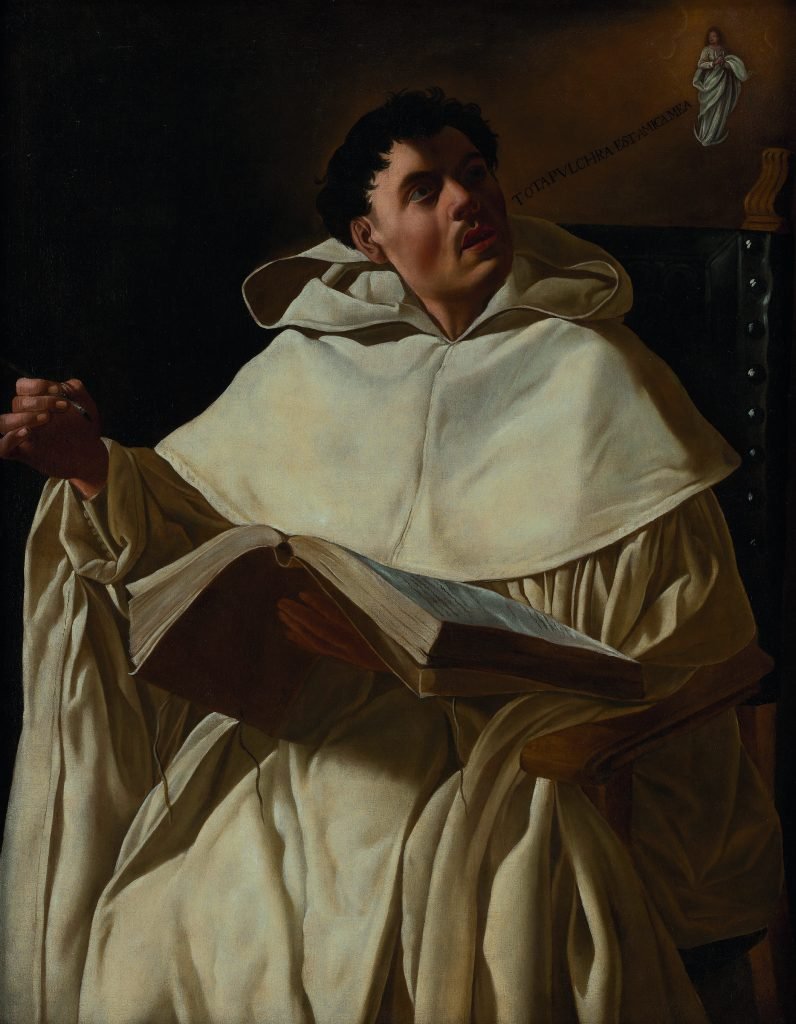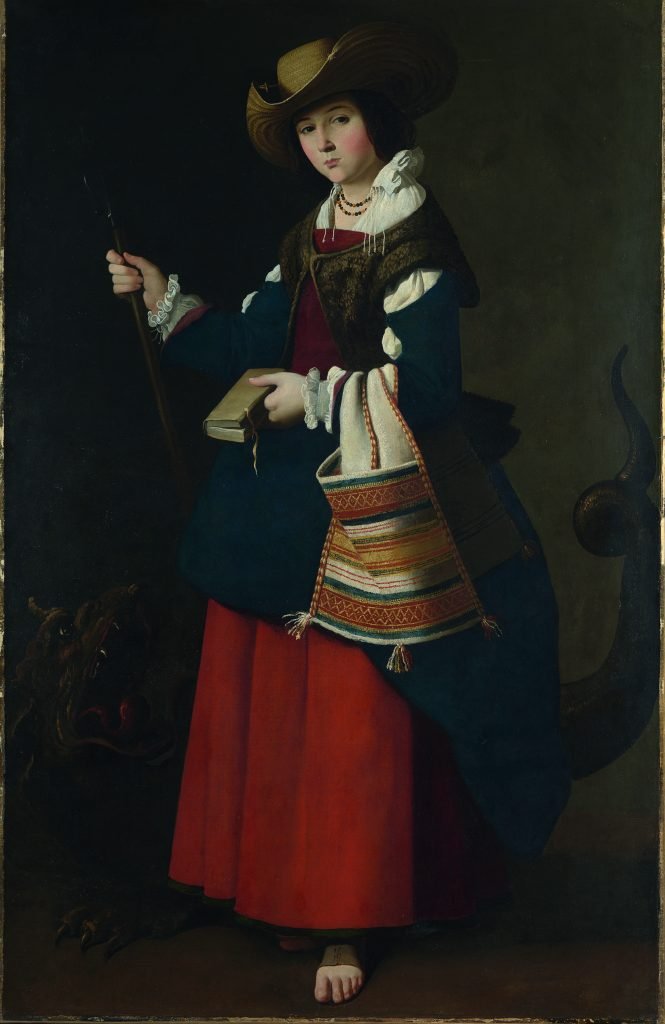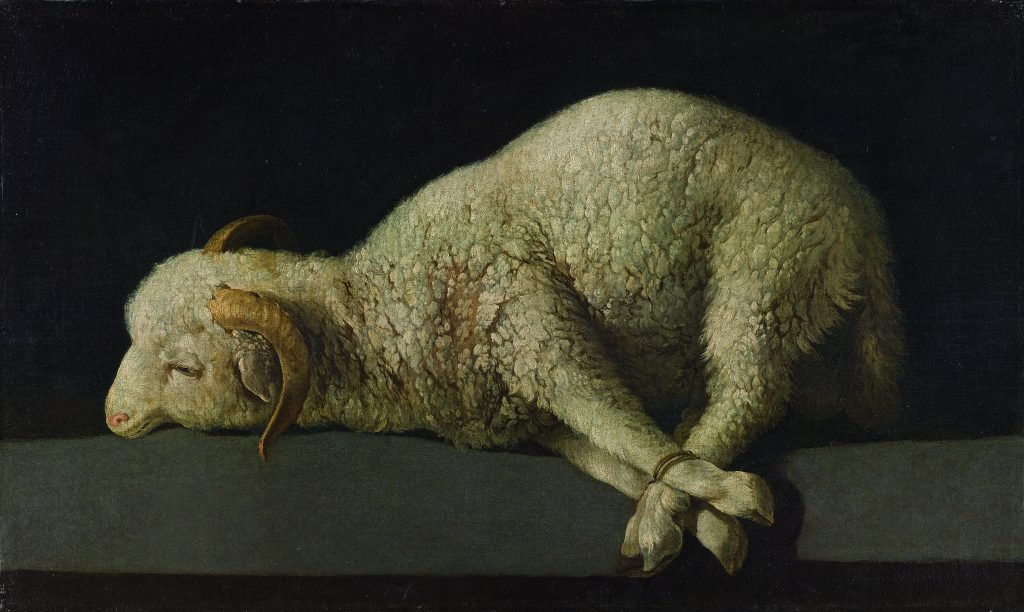
A key figure in the Spanish Golden Age, Francisco de Zurbarán traces an intense and meditative journey that explores the depths of seventeenth-century spirituality, the tangible force of matter, and a rigorous realism capable of transforming the observation of reality into an interior experience.
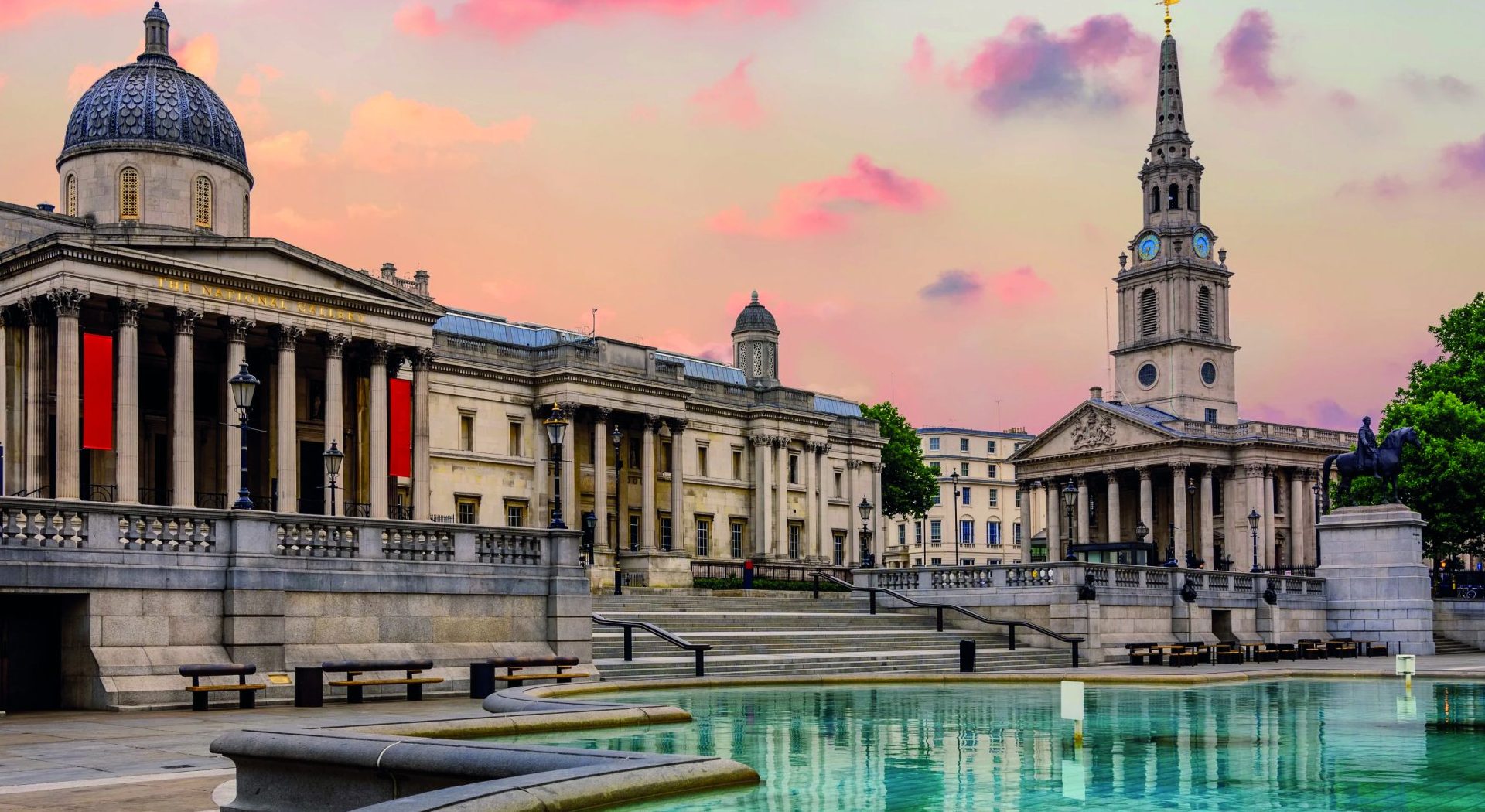
From the May 2 to August 23, 2026, there Sainsbury Wing of the National Gallery London hosts an exhibition destined to go down in history: the first major British exhibition ever dedicated to Francisco de Zurbarán, one of the greatest interpreters of 17th-century Spanish painting. This exceptional event fills a significant gap in the UK museum landscape and restores to an international audience the silent, mystical, and profoundly human power of an artist who transformed light into prayer and matter into emotion. A painting that never raises its voice, but commands listening and contemplation. Born in 1598, Zurbarán was an undisputed protagonist of the Seville of the Golden Age, a city then a crossroads of global trade, ideas, spirituality, and power, profoundly marked by the presence of religious orders and by a faith lived as a daily, visceral experience. In this vibrant and complex context, the artist developed an unmistakable style: a rigorous, almost sculptural naturalism, capable of combining meticulous observation of reality with an intense, collected, yet never spectacular spiritual tension. His works, which range from monumental religious altars to strikingly essential still lifes, speak a universal language of silence, light, and truth, spanning the centuries without diminishing in power. Zurbarán is renowned, among other things, as an unsurpassed painter of textiles. His canvases narrate with equal intensity the richness of sumptuous garments and the austerity of monastic habits, rendered with a tactile precision that seems to invite the gaze to touch their surfaces, to feel their weight and texture. Draperies thus become narrative elements, capable of defining characters, roles, and moods. But alongside the magnificence of faith and sacred representation, concrete humanity always emerges: everyday objects – a ceramic vase, a wicker basket, a freshly picked rose – take on an almost metaphysical presence, becoming silent symbols that bring the sacred closer to everyday life, yesterday as today.

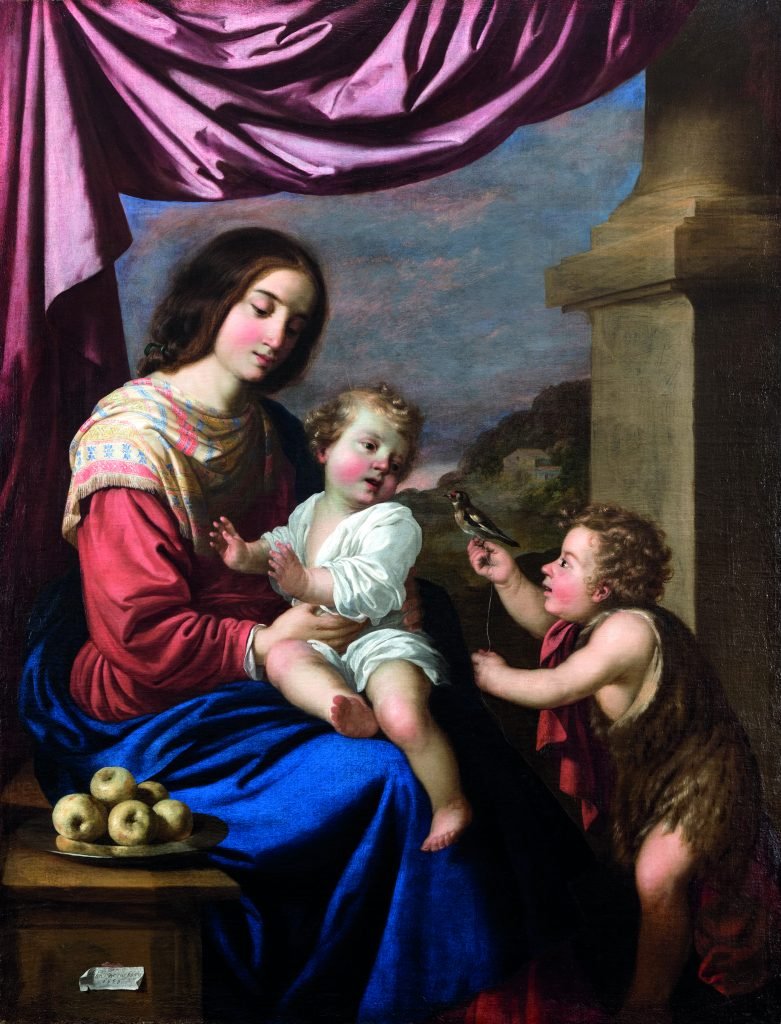
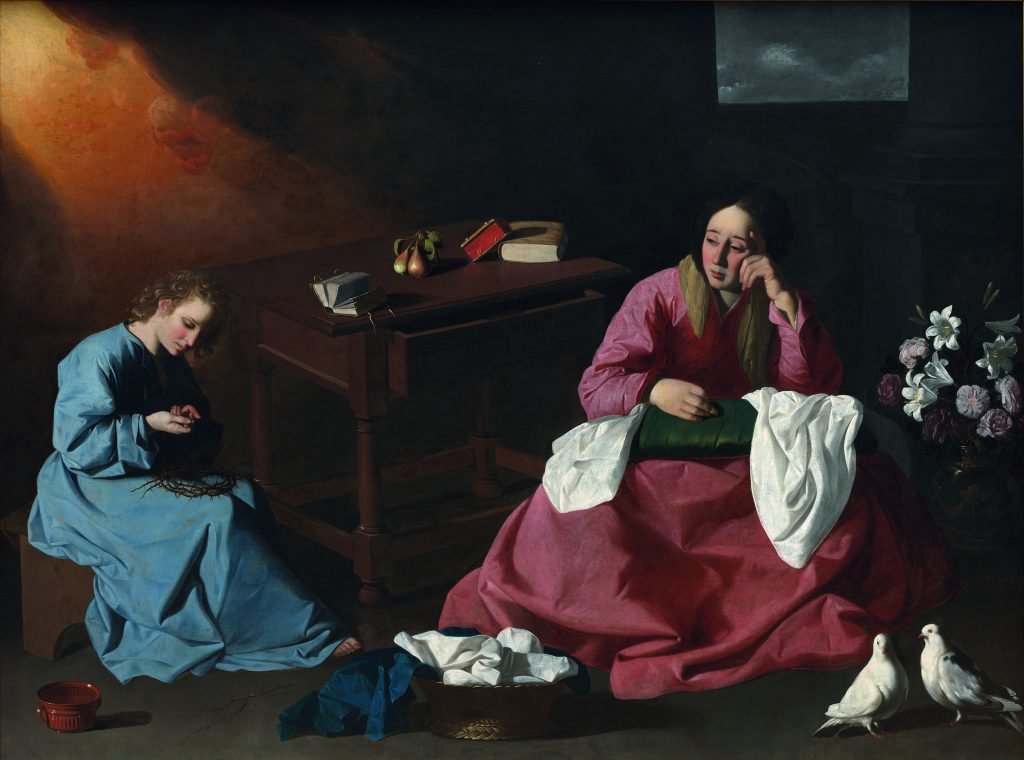
The London exhibition brings together masterpieces from museums and collections around the world, offering a broad and coherent overview of the artist's entire career, from his earliest achievements to his full maturity. Alongside his large-scale religious commissions, powerful in their scale, intensity, and emotional impact, are more intimate works, often intended for domestic settings or private meditation spaces, where the dialogue between light and matter becomes even more refined and introspective. This carefully constructed exhibition reveals Zurbarán's extraordinary versatility and his ability to speak to diverse audiences while maintaining absolute poetic coherence.
A particularly precious chapter of the exhibition is dedicated to the rare and refined still lifes of Juan de Zurbarán, the artist's son, a highly talented painter whose work engages in a direct and subtle dialogue with his father's. His compositions expand the family legacy and offer a complementary perspective on Spanish painting of the time, highlighting a distinct language yet deeply rooted in the same search for balance, light, and silence. Organized by National Gallery of Londonin collaboration with the Louvre Museum in Parisie the Art Institute of ChicagoThis exhibition represents not only a cultural event of international significance, but also an explicit invitation to slow, profound, and necessary contemplation. An encounter with a master who, through the silence of his figures, the sobriety of his compositions, and the precision of his light, continues to speak to our present with a surprisingly timely voice, capable of questioning the relationship between matter and spirit, visible and invisible.
An unmissable event for a cultured, curious audience, lovers of art that demands more than just being seen, but also to be heard, internalized, and ultimately, meditated upon.