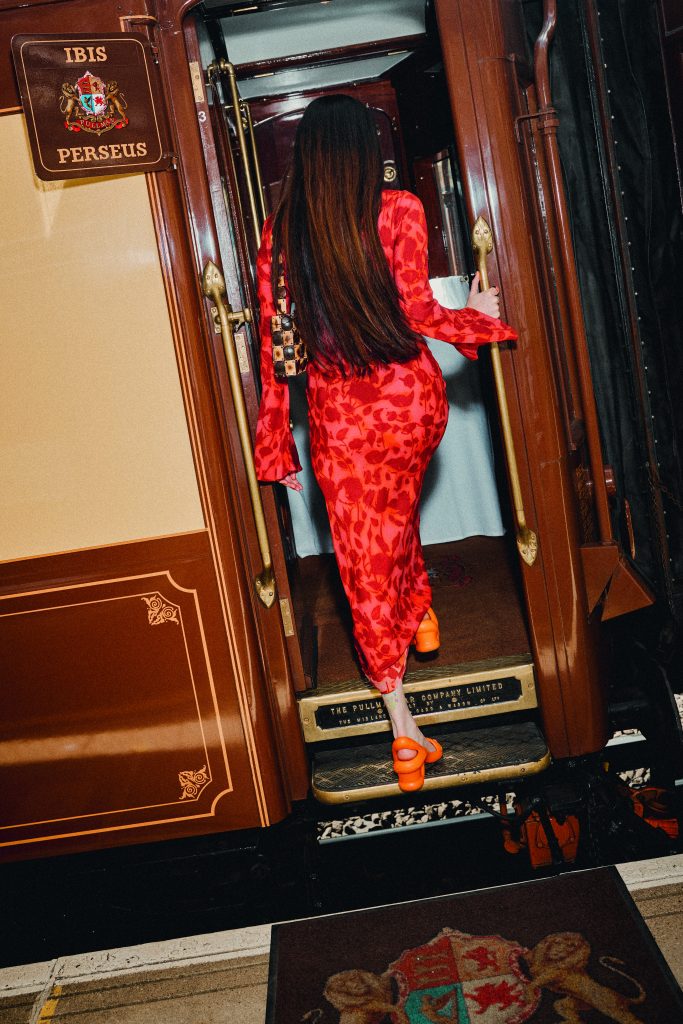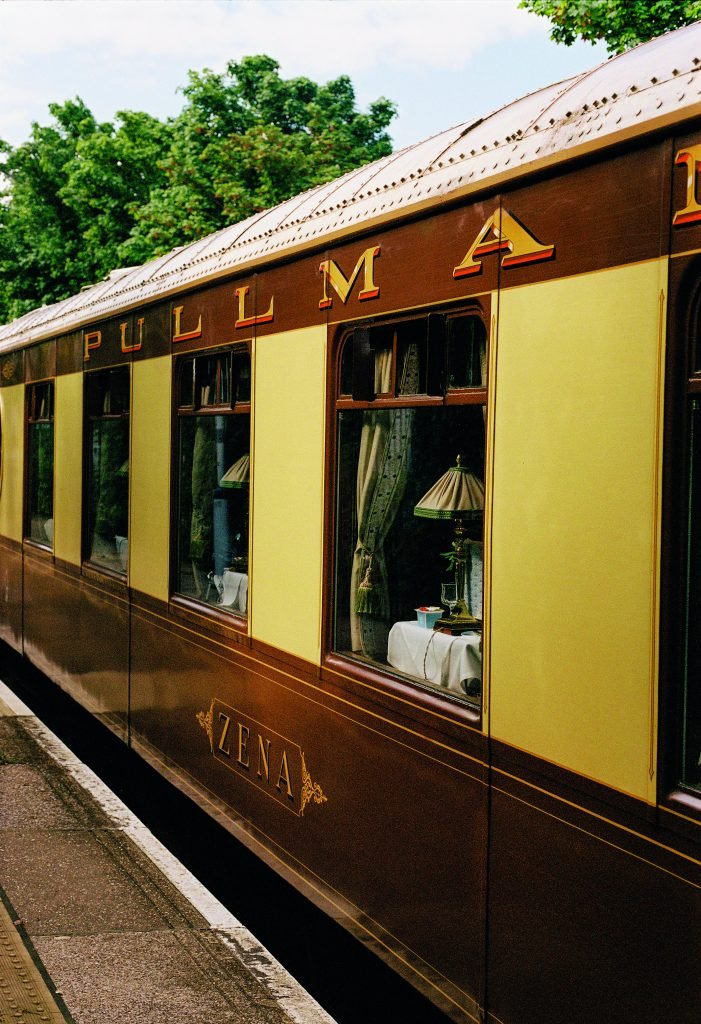

There are trains that help you get around. And then there are trains like the British coach, where the journey itself becomes a destination, a ritual, a memory. It starts in London, crosses the English countryside, and seems to belong to a different time, more elegant, more theatrical, almost unreal.
But reduce the British Pullman A simple exercise in nostalgia would be a mistake. Because the Belmond train doesn't live by the past: it showcases it. Each carriage tells a specific story. Individually restored, decorated with Art Deco inlays, original lamps, deep velvets, and hand-polished brass details, the British Pullman carriages preserve the charm of the golden age British Railways without turning into a static museum.
Here, everything continues to live: the clinking of glasses, the soft sound of the wheels on the tracks, the impeccable service, the slow passing of the countryside outside the windows.
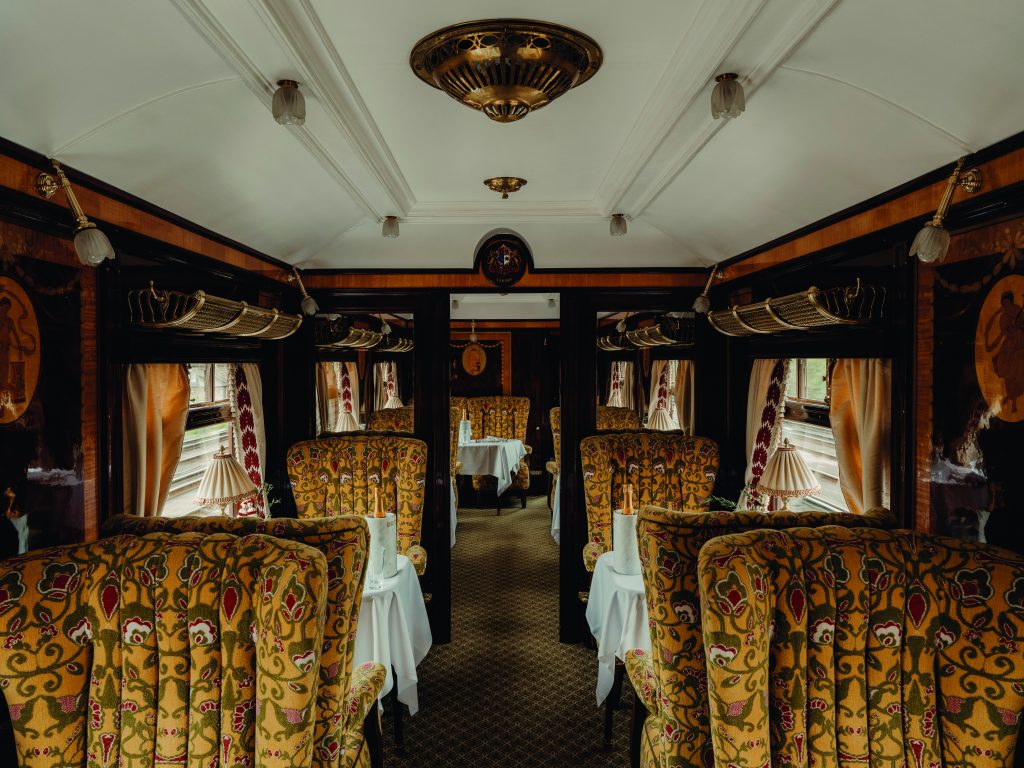
Among all the carriages, however, there is one that has a particular aura: Cygnus. Today renamed Celia in homage to Celia Cruz, an iconic figure in Latin music and a symbol of energy, elegance and stage presence, represents one of the most sophisticated interpretations of the British Pullman universe.
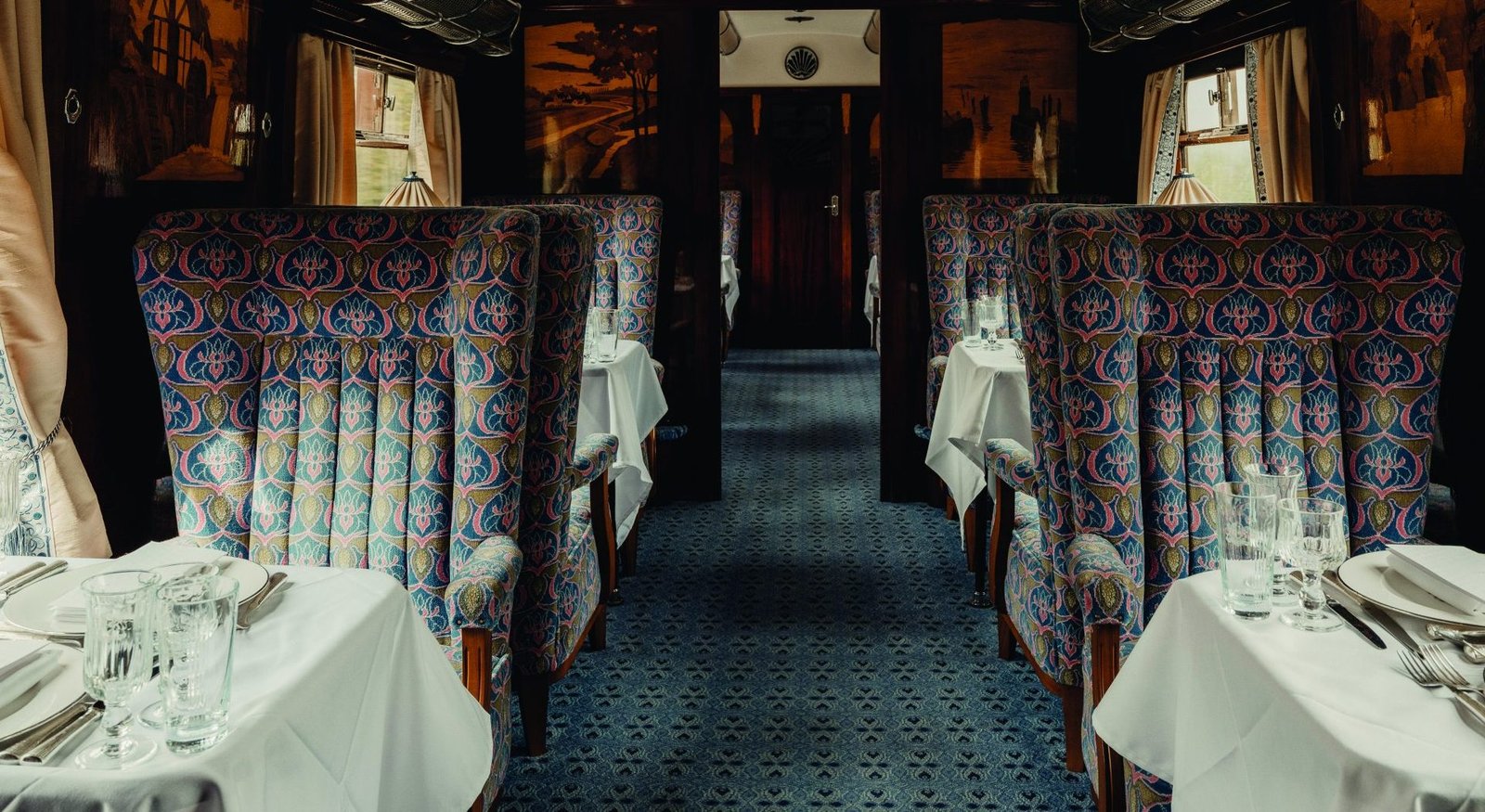
Entering Celia is like stepping into a cinematic setting suspended between 1920s glamour and contemporary sensibility. The warm tones, glossy surfaces, golden reflections, and soft lighting create an atmosphere that never seeks excess, but rather works on the seduction of detail. The armchairs seem designed to invite slow conversation, while the tables, set with almost choreographic precision, transform lunch into a ritual rather than a simple meal.
Onboard service. Like all British Pullmans, the Celia thrives on movement. Nothing here is static. The English landscape—green meadows, stone villages, forgotten stations, changing skies—constantly enters the carriage, becoming an integral part of the visual experience. It is precisely this constant relationship between
inside and out to make the journey profoundly British: a balance between formality and emotion, composure and romance.
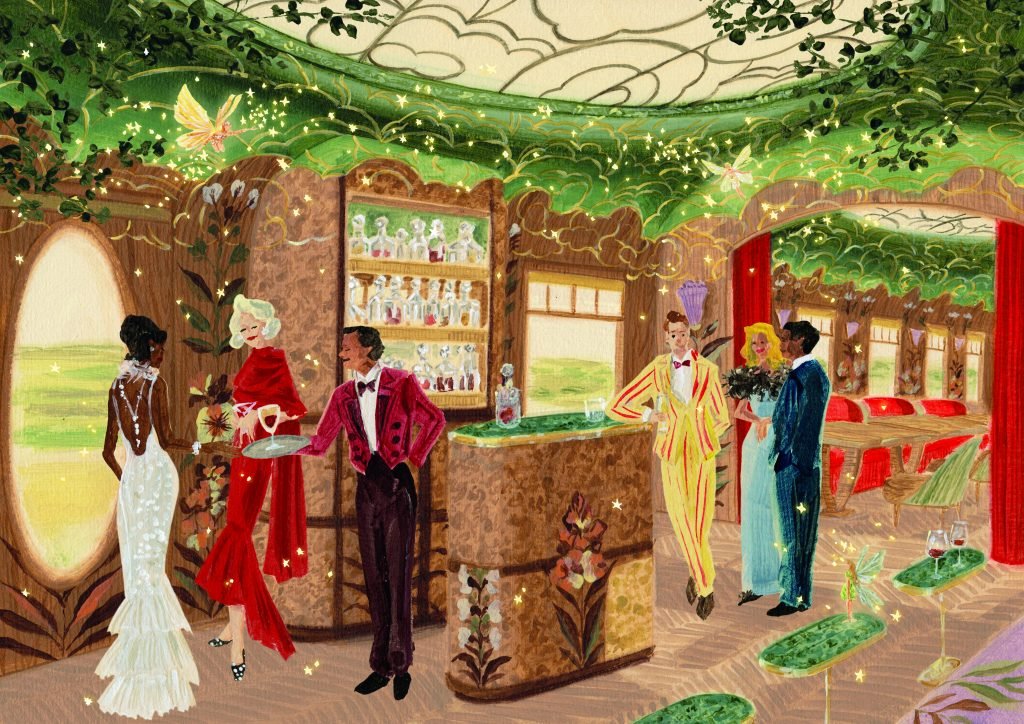

Onboard, the cuisine maintains the same level of aesthetic and narrative focus. Menus reinterpret English tradition through seasonal ingredients, classic service, and a refined yet never rigid approach. Champagne, afternoon tea, gourmet lunches, and themed dinners complement itineraries built not so much on the final destination as on the overall atmosphere of the journey.
The British Pullman has also transformed itself into a truly contemporary cultural object. In recent years it has hosted artistic collaborations, murder mystery experiences, fashion events, and special itineraries linked to cinema and music, demonstrating how rail luxury can still reinvent itself without losing its authenticity.
And perhaps it is precisely here that the deepest charm of the British Pullman lies: in its ability to offer a real break from the contemporary pace without becoming a caricature of the past.
It's not simply nostalgia. It's about rediscovering a concept of travel built on anticipation, observation, and the pleasure of time well spent.
In the Celia carriage, all this becomes even more evident. Every detail seems to remind you that the rarest luxury today isn't speed. It's the ability to slow down with style.