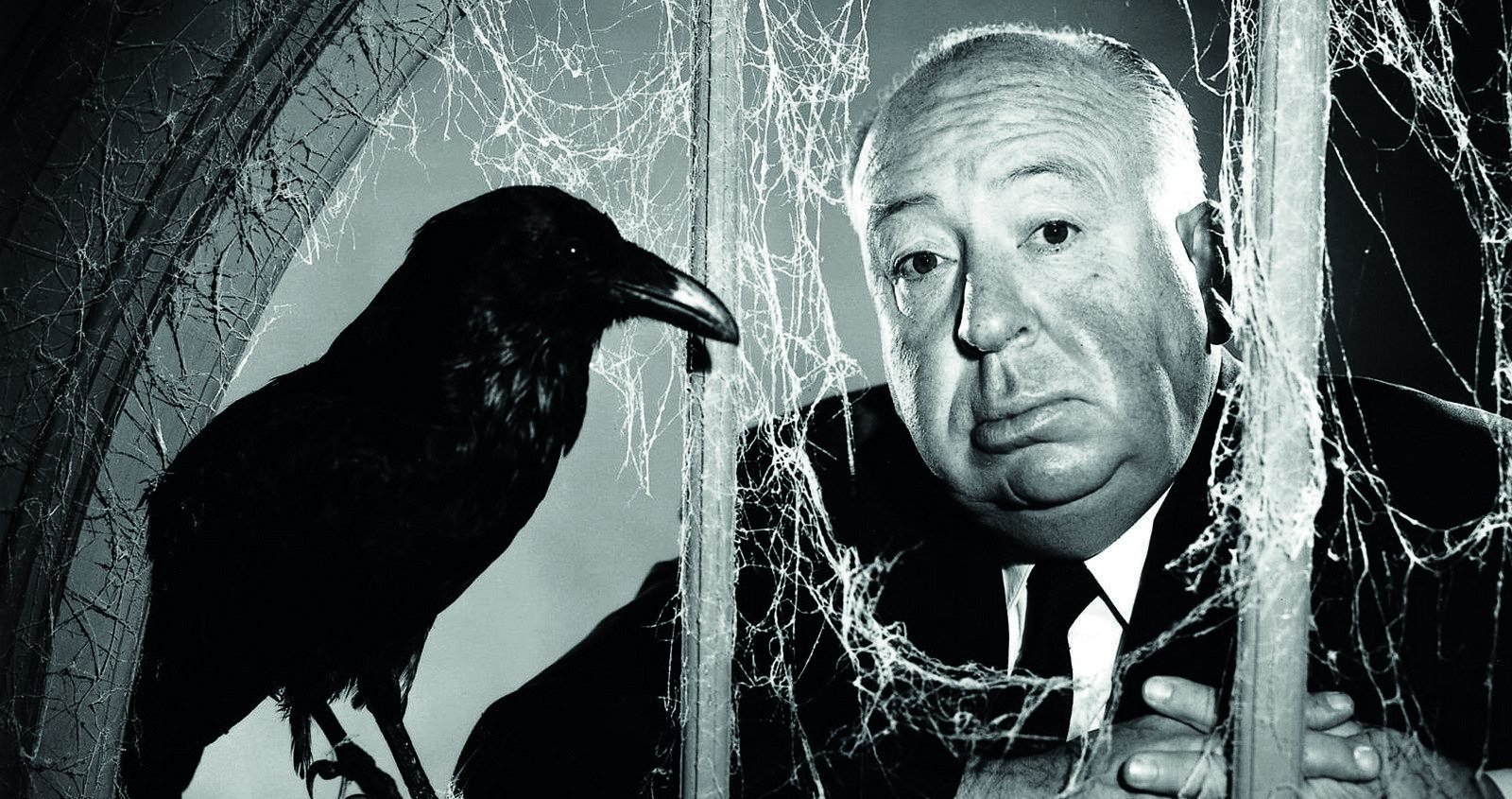
THERE IS A BEFORE AND AFTER ALFRED HITCHCOCK IN THE HISTORY OF CINEMA. NOT BECAUSE HE INVENTED SUSPENSE—THAT ALREADY EXISTED—BUT BECAUSE HE TRANSFORMED IT INTO LANGUAGE, INTO VISUAL GRAMMAR, INTO PURE ARCHITECTURE OF EMOTION.
Hitchcock He didn't tell stories: he built perfect traps for the viewer's gaze, inviting him in with British kindness, and then closing the doors with a barely perceptible smile.
Born in London in 1899, Sir Alfred Joseph Hitchcock He grew up in a strict and shadowy England, where order coexists with the unspoken. This is where his cinema was born: from the idea that the most authentic horror is not what is shown, but what is suggested. The camera, in his hands, becomes an extension of the human mind. Every shot is a thought, every camera movement a moral choice. Hitchcock teaches the world that true terror is psychological, elegant, almost invisible. His genius lies in his direction even before his plot.
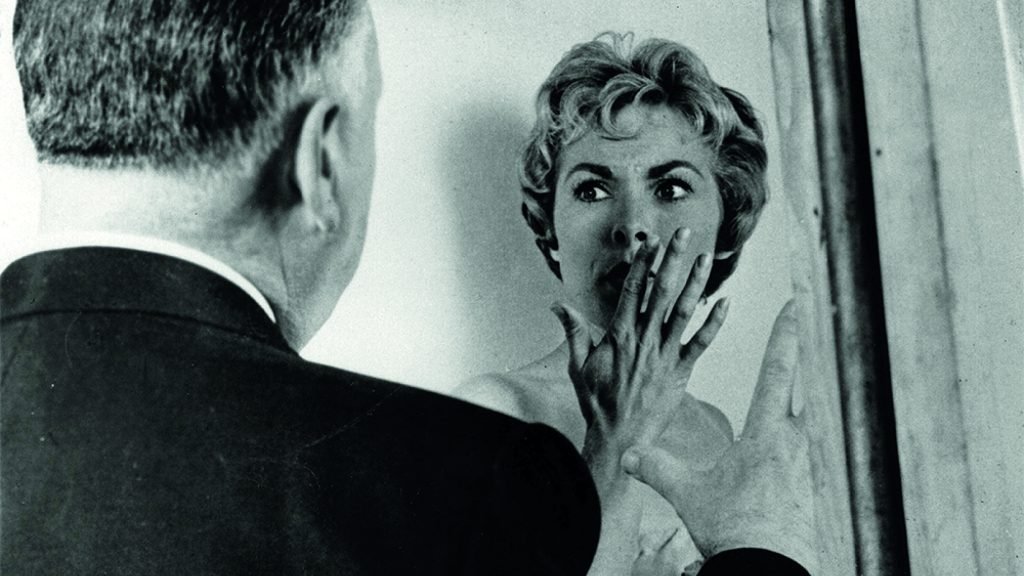
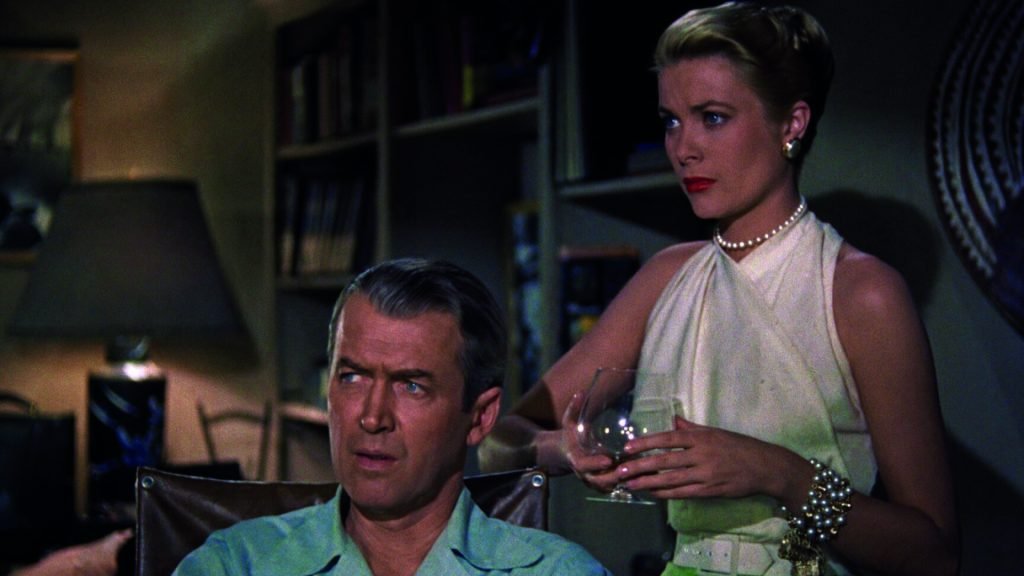
The famous MacGuffin —the object that drives the action but has no real importance—is merely a pretext: what matters is the viewer's emotional journey. In Rear Window, voyeurism becomes a reflection on looking and being looked at; in Vertigo, the circular movement of the camera visually translates the obsession of love; in Psycho, a shower becomes the most frightening place in the history of cinema, without needing to show anything except the absolute power of editing.
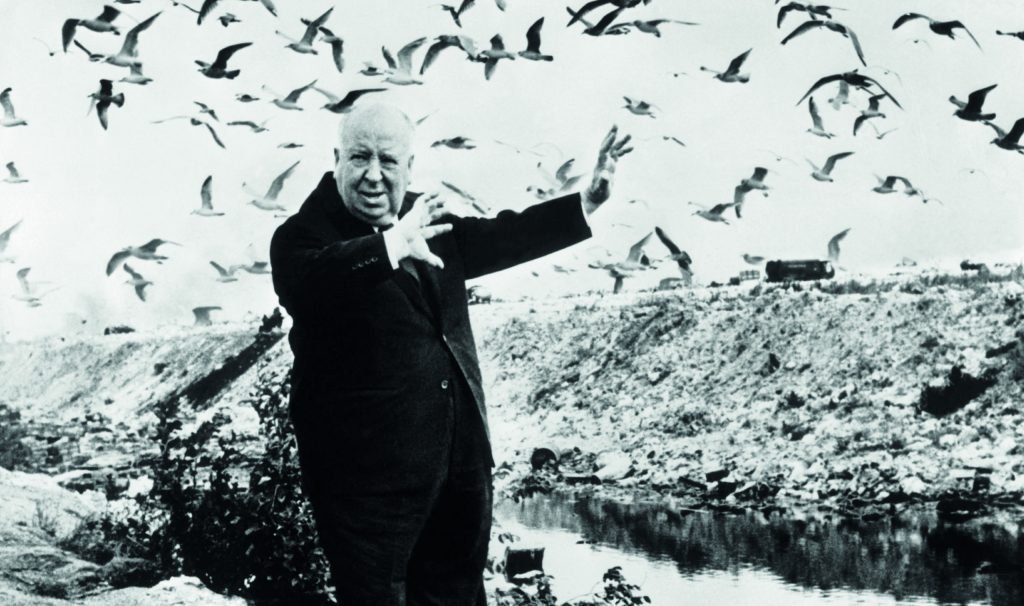
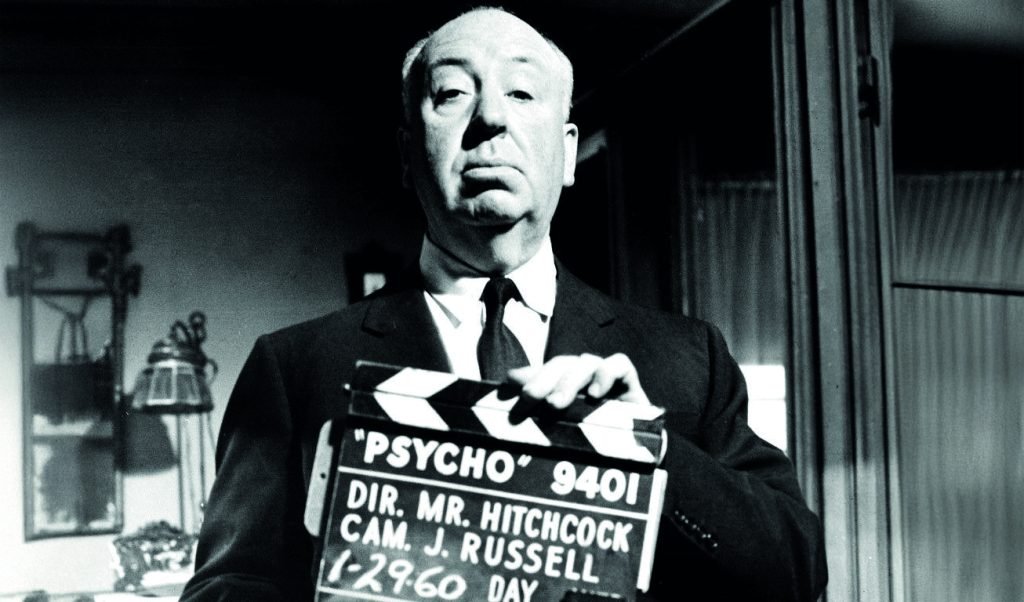
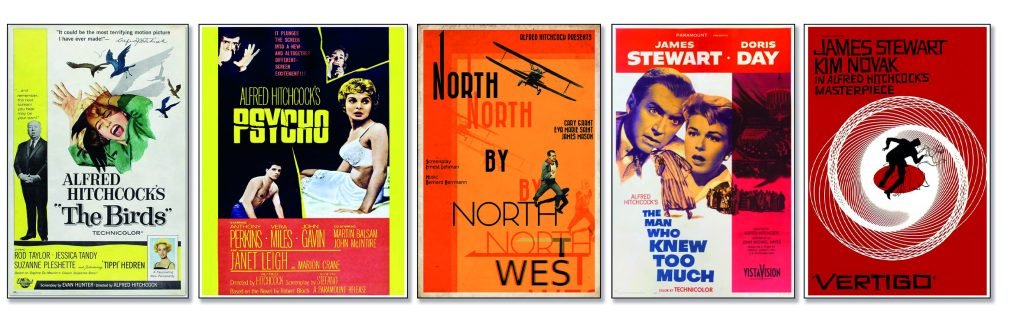
His films are now absolute icons: Notorious, Dial M for Murder, North by Northwest, The Birds, Rebecca, Vertigo. Works that have redefined the thriller, influencing generations of directors, fromKubrick to De Palma, from Scorsese to Nolan. Every modern filmmaker, consciously or unconsciously, still engages in dialogue with Hitchcock.
His actors are also unforgettable, chosen and guided like instruments of a precise symphony.James Stewart, face of the common man overwhelmed by the exceptional; Cary Grant, embodiment of elegance at risk; Grace Kelly, a glacial and sensual muse, a perfect balance between sophistication and mystery. With them, Hitchcock creates a cinema where glamour coexists with anguish, where beauty is always on the verge of breaking.
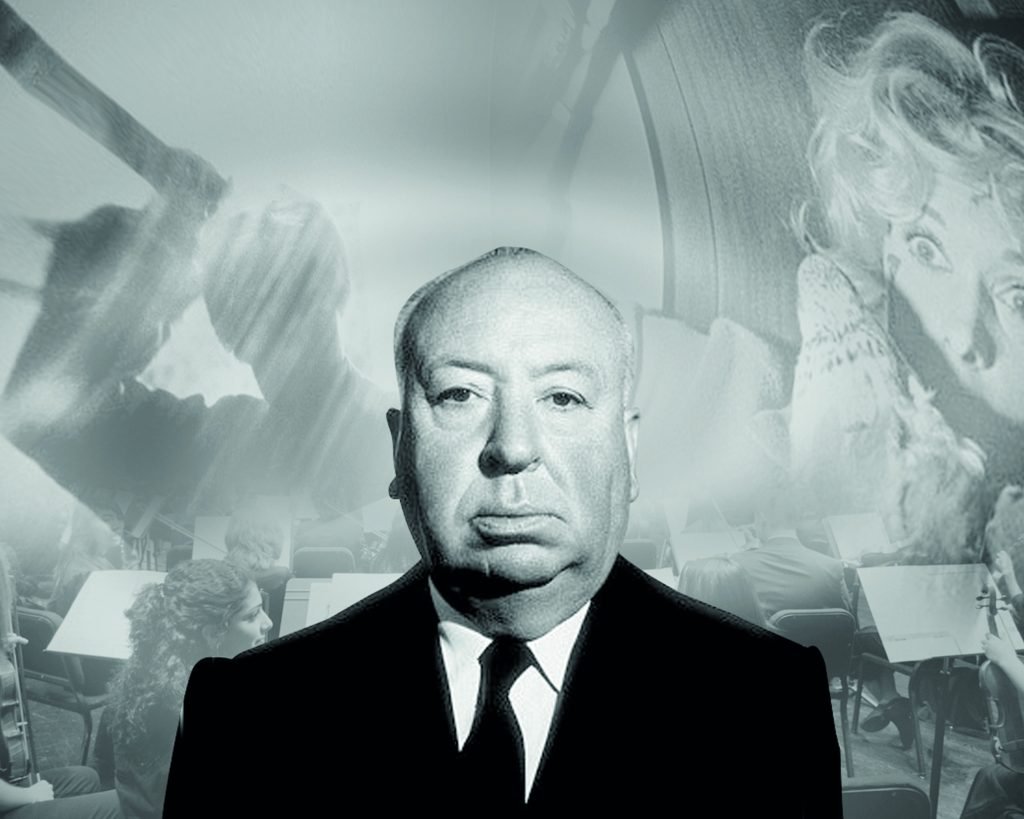
And then there's him, Alfred Hitchcock, character and author, with his unmistakable profile and famous cameos: quick, ironic appearances, almost a signature of the author. A way to remind us that the director is always present, the invisible puppeteer of our emotions. Watching a Hitchcock film today means rediscovering the pleasure of time, of anticipation, of slowly building tension. In an age of screaming images, his cinema remains an exercise in supreme style, a lesson in elegance and control. Because Hitchcock didn't scare to shock: he scared to seduce. And, to this day, no one has done it with such class.