
The icon that transformed speed into style, when the American dream met absolute design.
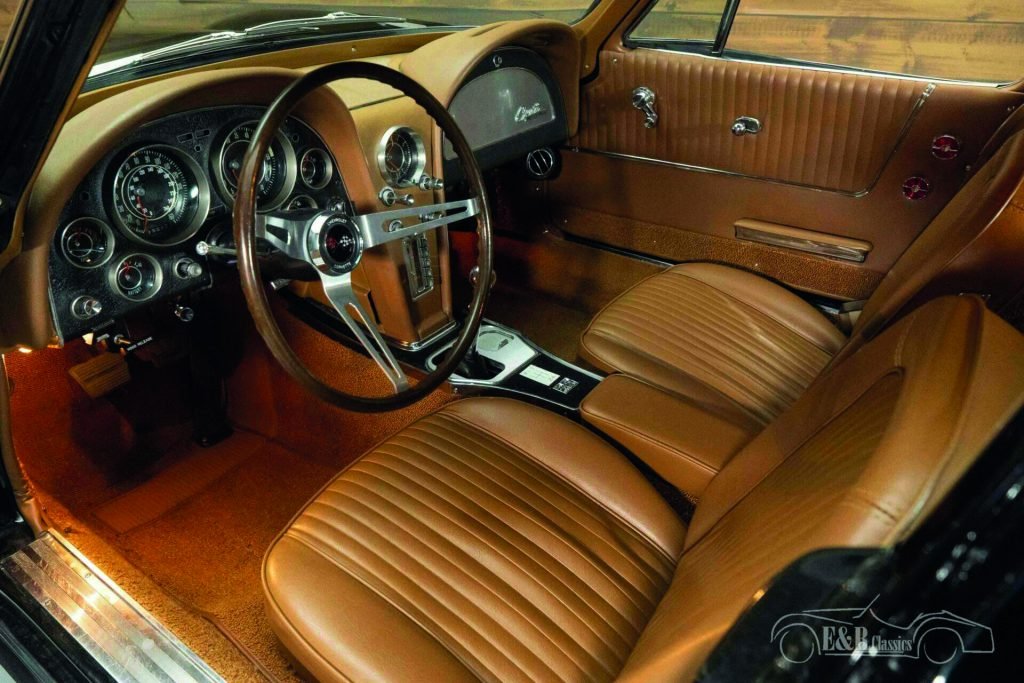
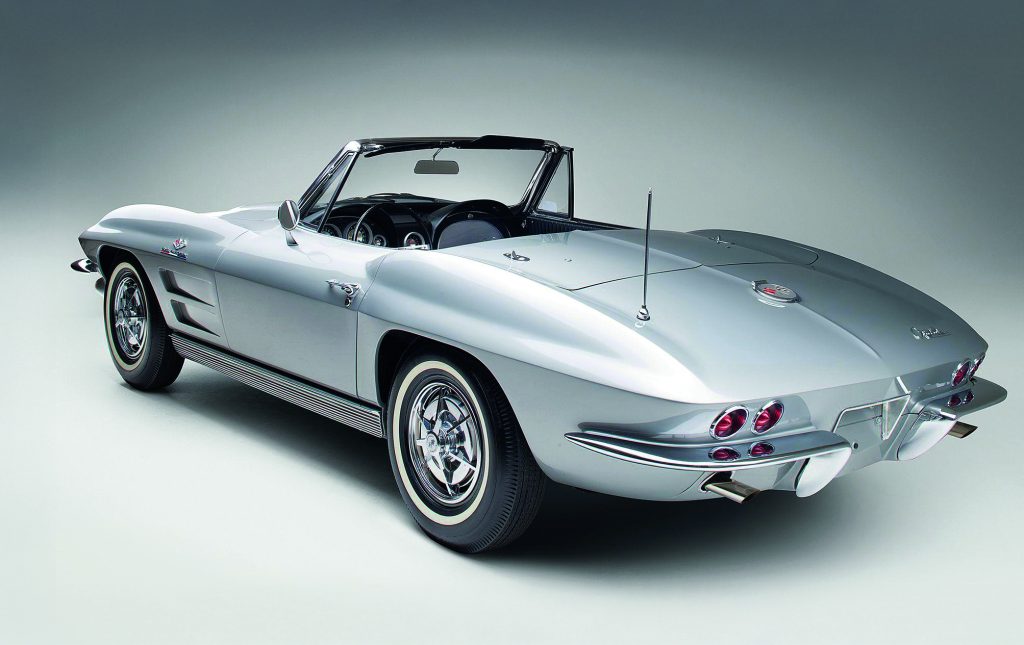
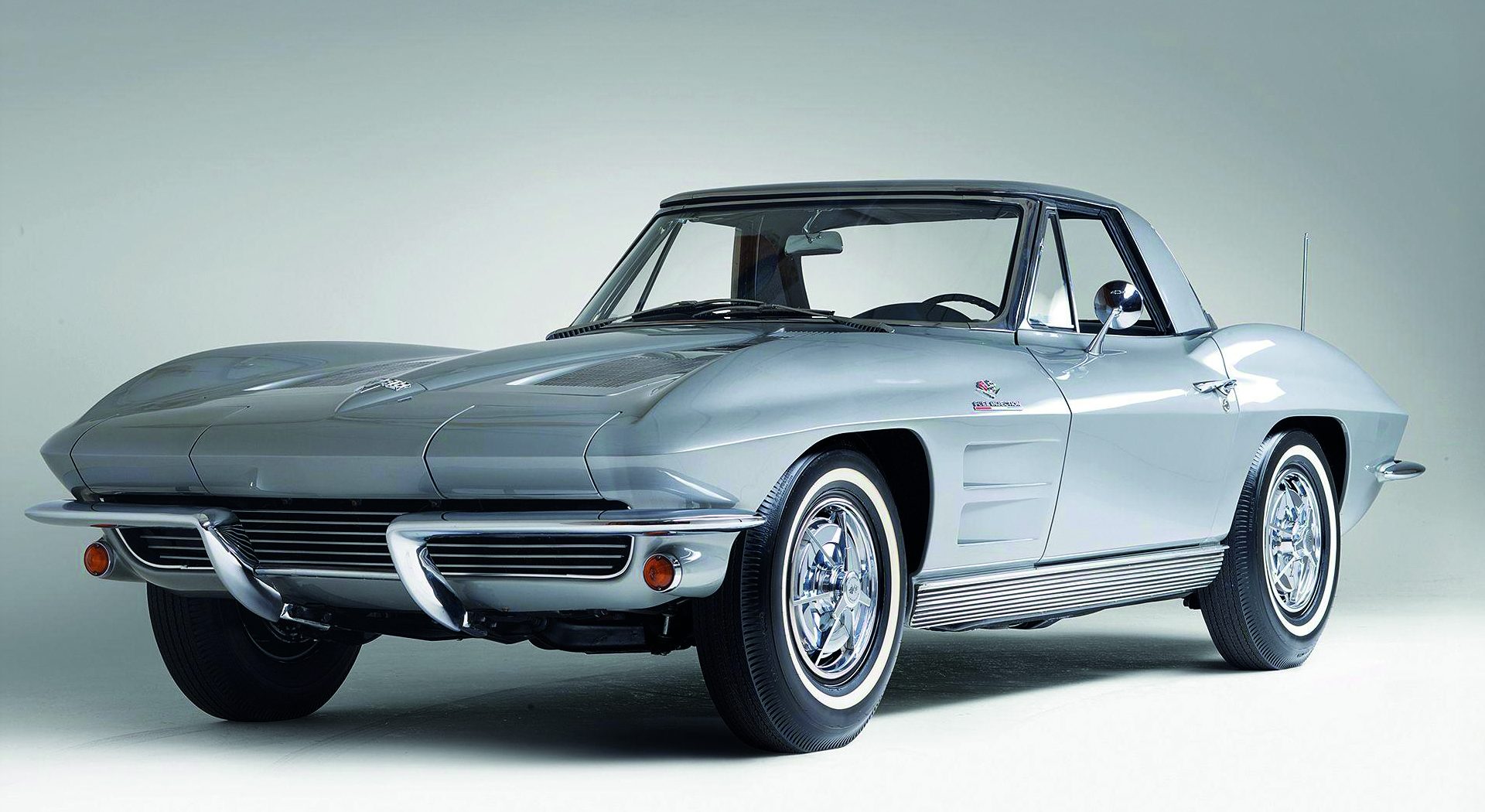
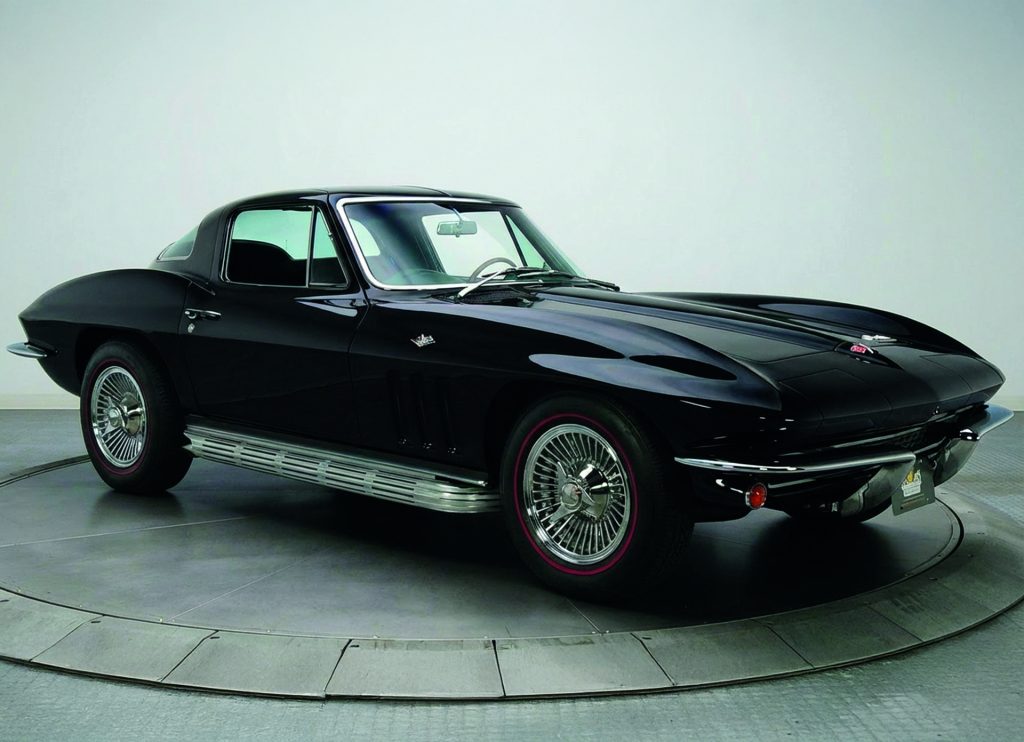
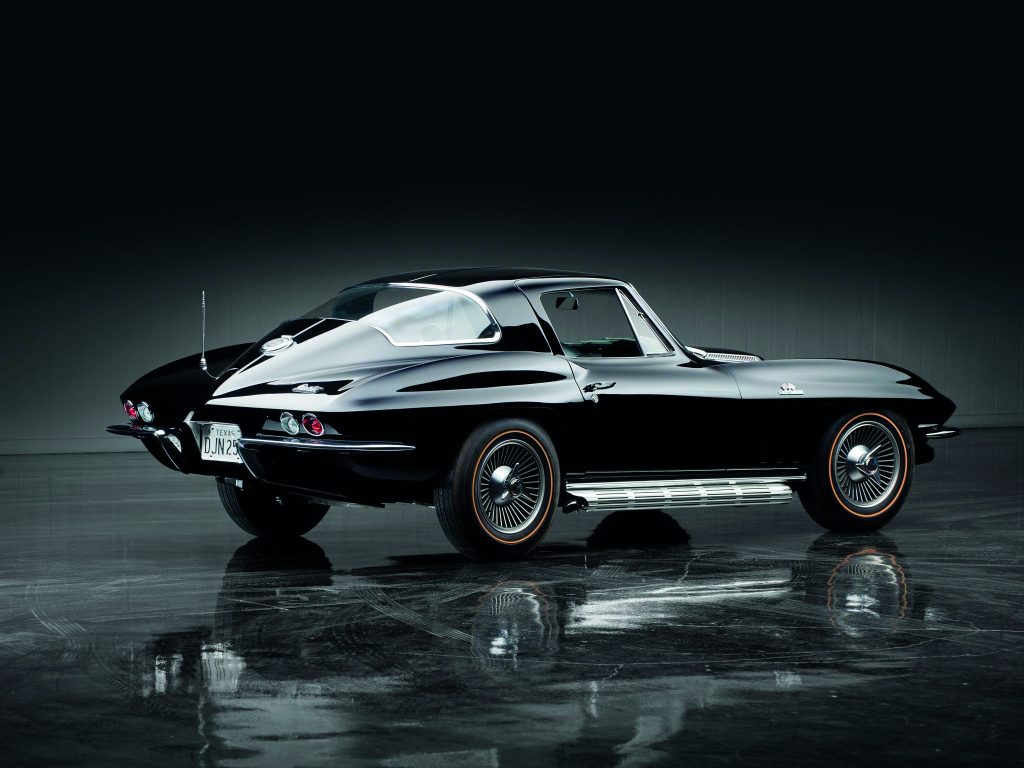
In the world of motoring there are cars that do not simply represent an era: they define it. Chevrolet Corvette Stingray C2, Produced between 1963 and 1967, it is one of these. A car that embodied the spirit of the United States at the height of its technological and cultural confidence, transforming a sports car into a true manifesto of style. The 1967 model, the last of the series, C2, is today considered one of the purest examples of American automotive design. Available in both a coupé and a more seductive convertible, the Stingray represented a perfect balance between aggression and elegance. The long hood, short, muscular tail, and taut, aerodynamic lines gave the car an almost cinematic presence. Behind this icon lay the vision of the brilliant designer Larry Shinoda, who worked under the guidance of the legendary engineer Zora Arkus-Duntov, often referred to as the “father of the Corvette”Shinoda managed to blend inspirations from aviation and racing cars into a sculptural and dynamic form, creating a silhouette destined to become eternal.
Compared to European sports cars of the time—from elegant Italian grand tourers to sophisticated British coupes—the Stingray represented an entirely different language. While Europe favored technical refinement and more compact proportions, the Corvette proudly displayed American power: large-displacement V8 engines, bolder lines, and a character that celebrated the freedom of the open road. It was less aristocratic than a Ferrari 275 GTB, less aristocratic than a Jaguar E-Type, but infinitely more rebellious.
It is no coincidence that the Stingray soon became a symbol of success and freedom for Hollywood. Its admirers include stars such as Steve McQueen, an icon of American car culture, the charismatic Frank Sinatra, and the unmistakable Elvis Presley, who helped transform the Corvette into an object of global desire.
The coupé, with its sleek, almost feline profile, embodied the spirit of great racing and American technical innovation. The convertible, on the other hand, depicted a different America: that of endless highways, the warm California winds, and boundless freedom.
Today, more than half a century later, the Chevrolet Corvette Stingray C2 continues to exert a rare fascination. It's not just a classic car, but a cultural object, a fragment of industrial and stylistic history that marked the automobile's definitive transition from mere means of transportation to pop icon.
For many enthusiasts, it remains simply this: the most beautiful Corvette ever built. An American dream carved in steel and speed.