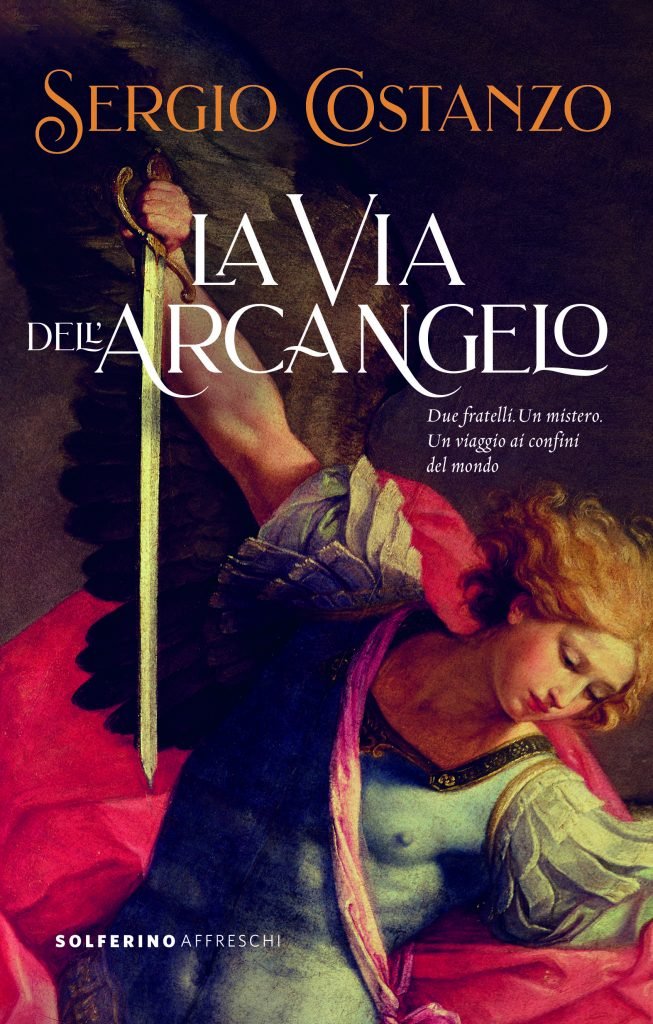

TWO BROTHERS ESCAPE DEATH AND SEEK SALVATION—AND A HIDDEN TRUTH—IN A NOVEL SET IN A MIDDLE AGES OF DRUIDS AND PIRATES, MONKS AND SAGES.
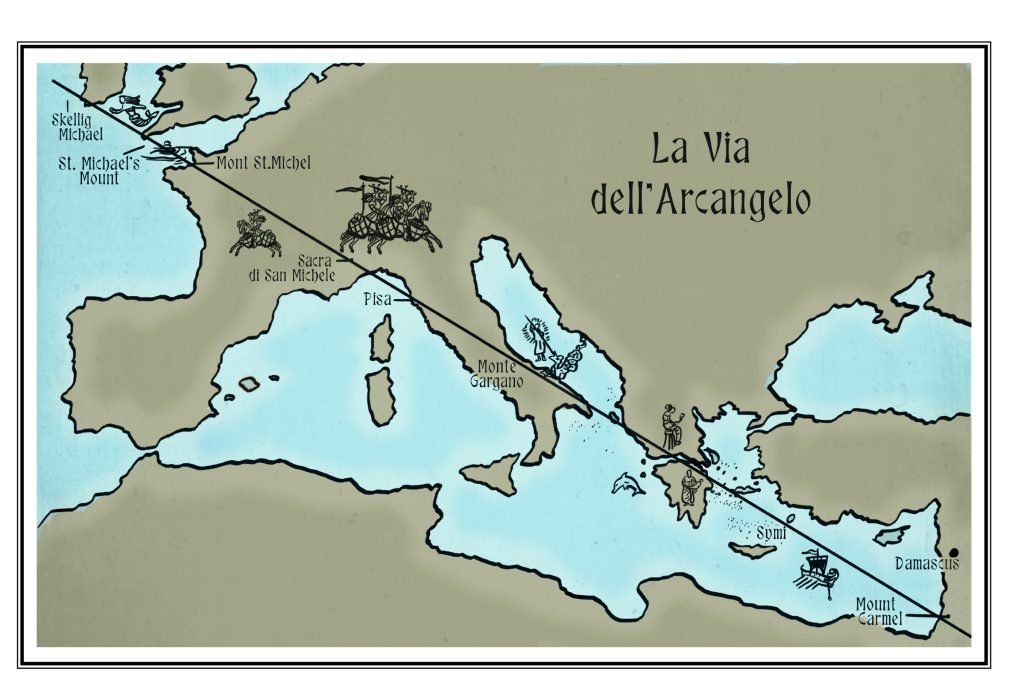
A single straight line connects the main shrines dedicated to Saint Michael: straight as a sword stroke, according to tradition, it is the mark of a blow struck by the archangel in his battle against Satan. But who is Saint Michael, a central figure in all three of the book's great religions? Bren and Flynn, two brothers who set out from the island of Hibernia, now Ireland, in the 8th century, will discover it. They seek an explanation for the violent visions that afflict Flynn, experiencing a thousand adventures that the novel's author, Sergio Costanzo, also depicts as a journey of initiation and knowledge.
Sergio, what is the Via di San Michele and how did you “discover” it? From Ireland to Israel, along a straight line spanning seas and nations, a dozen monasteries dedicated to Saint Michael stand. Who preordained this perfect cartographic alignment? What knowledge made the construction of this route possible? I tried to find out. Michael entered my life during my military service in the Folgore Brigade. A passage from the paratrooper's prayer reads: "Send the Archangel Saint Michael as our guardian, guide and protect our daring flight." In 1987, I went to the Sacra di San Michele in Piedmont to try to understand more about this enigmatic figure. It was the first stage of my research, a long and daring flight.
Your novel begins in a harsh yet magical setting, ancient Hibernia. Why did you choose this time and place? I set the story at a historical moment when the encounter-clash between Judaism, Christianity, and Islam had not yet reached its epochal and, sadly, dramatically current dimension. Sceilg Mhichíl, Michael's Rock, is a small, rugged island in the Irish Sea. It is home to the northernmost monastery on the Archangel's Way. From there, the two protagonists move forward, still tied to their pantheon of Celtic deities, equidistant from the "three religions of the book" and therefore free from prejudice. They are guided only by their need for knowledge, by virtue of which they will be able to understand and delineate the figure of Michael.
Your two protagonists embark on an initiatory journey. What does this story tell us today? Are there still places that preserve and transmit particular energies? Adhering to a discipline and overcoming trials are the only path to personal growth, and I am convinced that the initiatory journey still has meaning. The challenge, if anything, lies in distinguishing the good masters from the many braggarts. There are many places that preserve and transmit energy, but to experience and perceive, it is essential to approach the subject with humility and dedication, and to consider doubt as the first step toward knowledge.