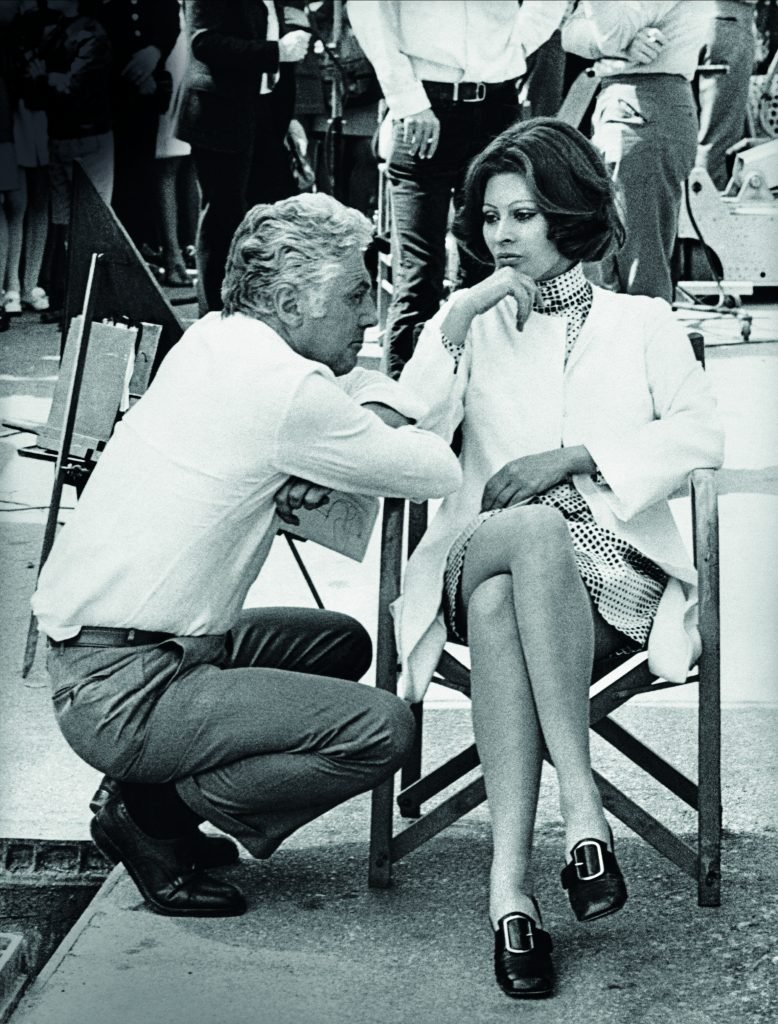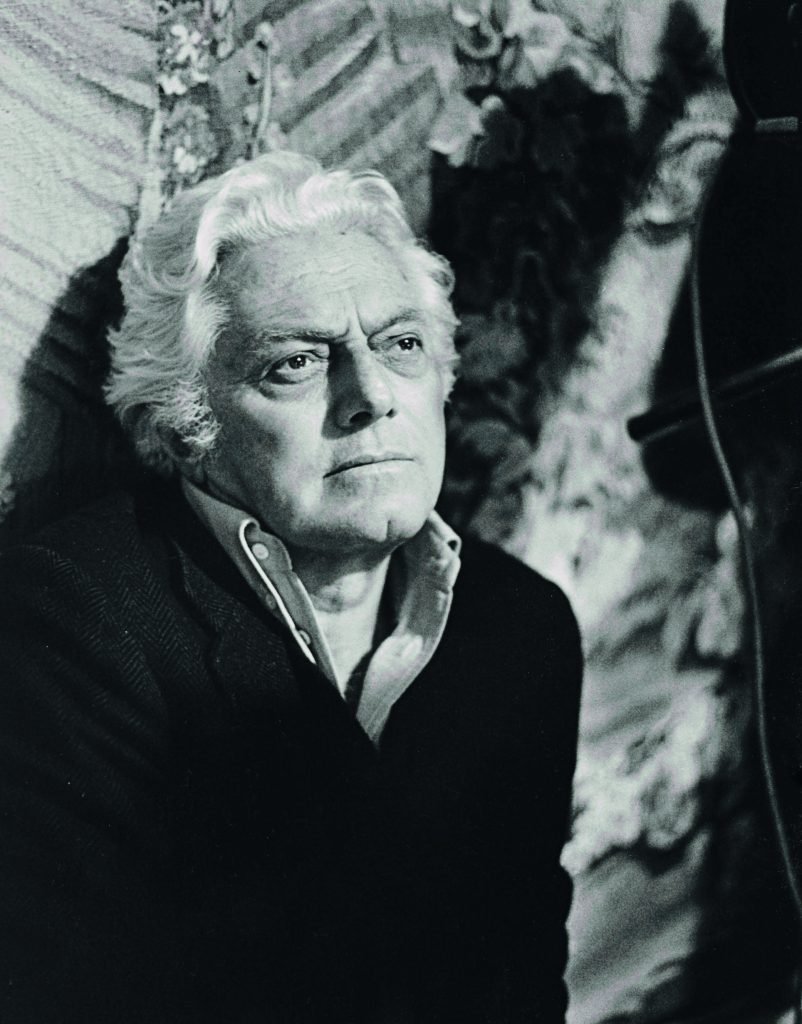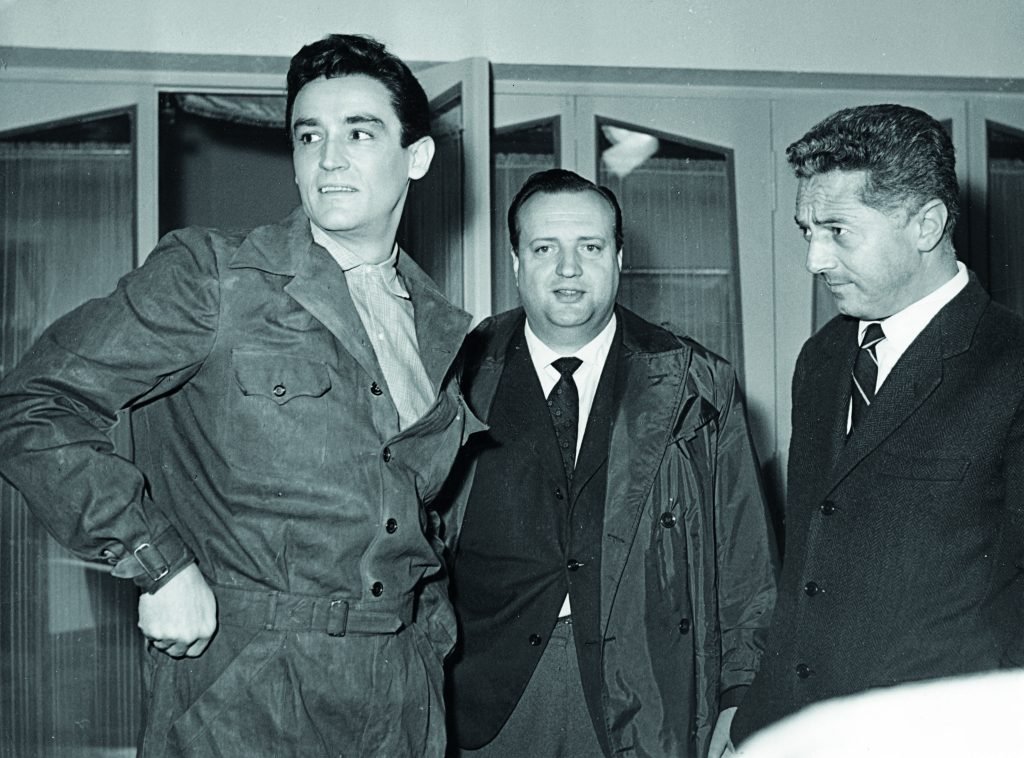

FEW DIRECTORS HAVE BEEN ABLE TO READ THE SOUL OF A COUNTRY WITH THE CLARITY, POETIC FEROCIITY, AND CORROSIVE INTELLIGENCE OF DINO RISI. HIS CINEMA WAS NOT SIMPLE ENTERTAINMENT, BUT A MAGNIFYING GLASS POINTED TO AN ITALY IN FULL TRANSFORMATION: THAT OF THE POST-WAR PERIOD, OF THE ECONOMIC BOOM, OF ILLUSIONS AND FALLS.
There are filmmakers who simply make films, and others who, with their works, create a language. Dino Risi belongs to this second, narrow category. His films are veritable frescoes, where humor and melancholy coexist, offering audiences not just a story, but a mirror capable of reflecting an entire society.
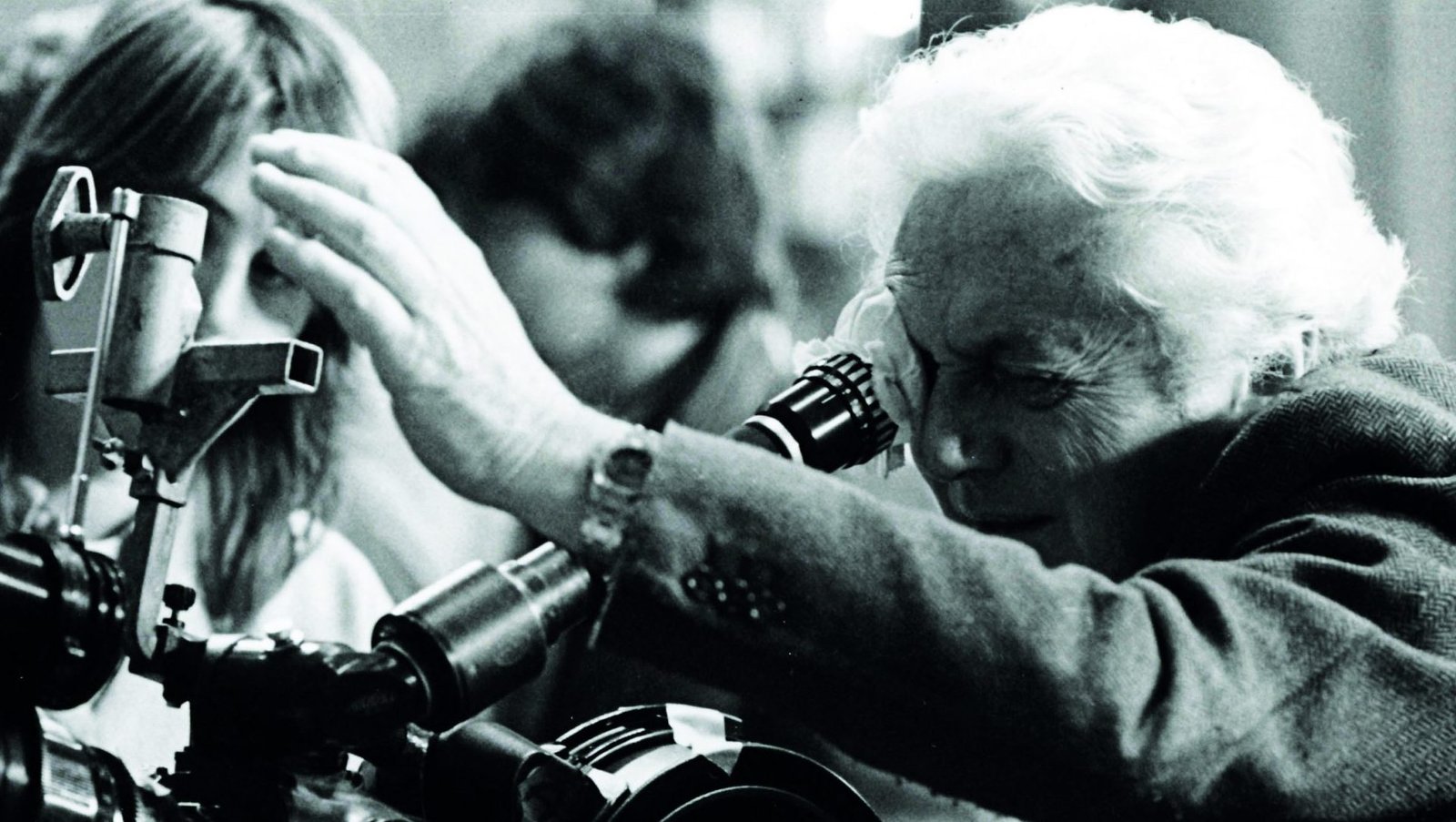
THE ORIGINS OF A LOOK Born in Milan in 1916, Risi grew up in an Italy rife with conflict and contradictions. A medical doctor and specialized in psychiatry, his directorial gaze brings an almost clinical attention to human beings, their frailties and their masks. Before turning to film, he practiced as a doctor in psychiatric hospitals: an experience that allowed him to closely observe the human soul, its most hidden recesses. This training is reflected in his cinema: Risi's characters are never two-dimensional, but complex, contradictory, and alive.
A STUDENT AMONG THE MASTERS During his formative years, Risi came into contact with titanic figures such as Luchino Visconti e Francesco Rosi. From the former, he learned formal precision, obsessive attention to staging, and the ability to transform reality into style. From the latter, he learned the lesson of civic engagement and the urgency of portraying society in its most exposed aspects. But Risi didn't just learn: he reworked, transformed, and mixed. If Visconti was the painter of decadent nobility and Rosi the poet of social injustice, Risi chose a different path: comedy. With disarming ease, he transformed everyday life into narrative material, bringing the viewer closer to stories that were their own.
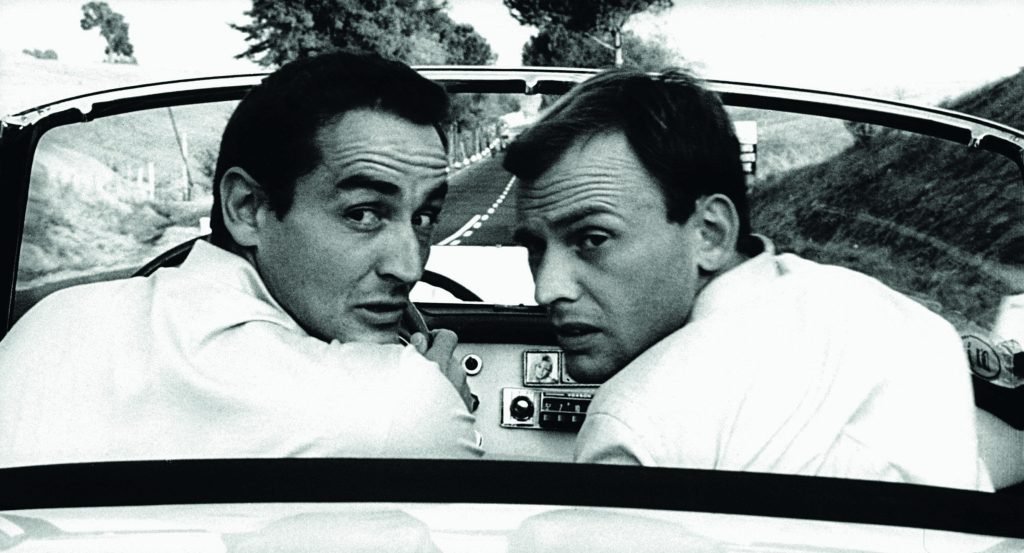
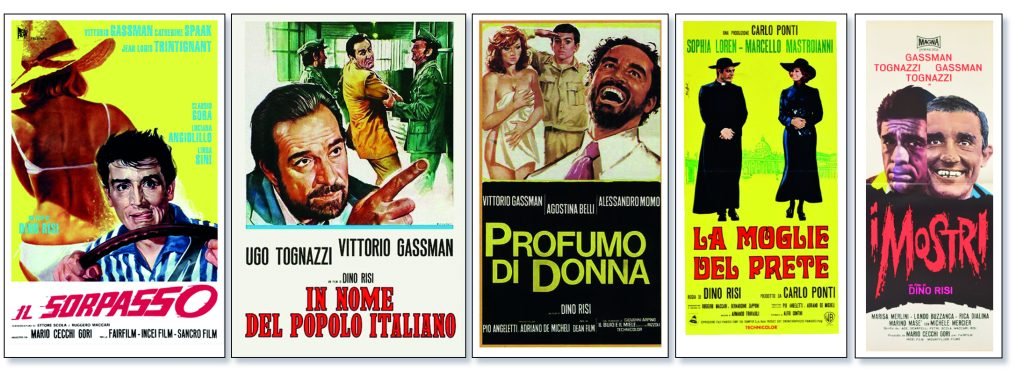
ACTORS AS AMBASSADORS OF A VIBRANT ITALY With Risi, the faces of Italian cinema become universal icons. Vittorio Gassman, in Il sorpasso (The Easy Life) or I mostri (Monsters), embodies not a single character, but an entire era: unbridled vitality, improvisation, enthusiasm, but also superficiality and cynicism. Marcello Mastroianni, Monica Vitti, Ugo Tognazzi, Nino Manfredi, Alberto Sordi: all, under his direction, become symbols of a changing Italy. Risi directs them with lightness, but also with surgical precision, transforming their faces and voices into archetypes. The Italian comedy—of which Risi is the undisputed father along with Monicelli, Comencini, and Germi—thus becomes a cultural phenomenon exported worldwide, the lens through which the entire planet comes to know Italians.
THE MASTERPIECES THAT HAVE SET A SCHOOL Poor but beautiful (1957) inaugurates a season of successes: a fresh and ironic portrait of a naive and lively youth, which reflects the popular Italy of the 50s. With A difficult life (1961), Risi casts Alberto Sordi in an unforgettable role: that of a man struggling to remain true to his ideals in a country that has already chosen careerism as its only compass. It's a film that anticipates the political and moral disenchantment of the following years. Then came the absolute masterpieces. The overtaking (1962) is much more than a road movie: it is the portrait of an Italy on the run, launched at full speed towards the economic boom, but incapable of questioning the meaning of its journey. Bruno Cortona, played by Gassman, has become a national archetype, the mask of a vitalism that hides an existential void. The monsters (1963) is a mosaic of thirty short episodes, a merciless catalogue of Italian miseries and contradictions: a film that still strikes us today for its relevance. Scent of a Woman (1974), with Gassman in the role of a blind and disillusioned captain, marks a turning point: the intimate, introspective story, which conquers Hollywood to the point of inspiring Scent of a Woman (1992), the film that won Al Pacino an Oscar.
THE LEGACY OF A LOOK Risi possessed a rare gift: the ability to narrate life through contradictions. No character in his films is entirely good or entirely bad: they all carry within them the "bivura," the duplicity of life, that constant oscillation between greatness and misery, smiles and melancholy. This "psychological" gaze made him a profoundly European director: from France to Spain, many auteurs have looked to his cinema as a model for narrating reality without filters. Even directors of later generations, such as Ettore Scola, they recognized in Risi a master in the art of combining lightness and depth.
THE MORALIST WHO DIDN'T JUDGE Perhaps Risi's secret is precisely this: he was a moralist who offered no morals. He didn't suggest solutions, he didn't suggest paths. He simply told a story, letting the viewer see themselves reflected in his stories. He laughed at Italy, but not with disdain: with a secret affection, with the ironic detachment of someone who knows a people's flaws too well to truly mock them. His films never express absolute cynicism, but rather a melancholy that accompanies a smile, a sweetness hidden behind the most merciless satire.
A LESSON STILL LIVING Today, looking at his work, we discover not only a unique era of Italian cinema, but also a lesson that remains relevant today: the power of cinema as an instrument of truth, capable of revealing the greatness and fragility of humanity. Dino Risi taught us that irony can be a powerful weapon, capable of conveying more than a thousand theoretical arguments, and that behind a laugh can hide the most authentic portrait of a country. This is why his voice belongs not only to the past, but continues to speak today, to anyone who wishes to understand Italy—and perhaps themselves—through the mirror of a film.