

AN ENCOUNTER THAT CHANGED EVERYTHING: FROM A LONELY NIGHT IN THE JUNGLE TO A GLOBAL MISSION TO PROTECT BIG CATS AND THEIR HABITAT.
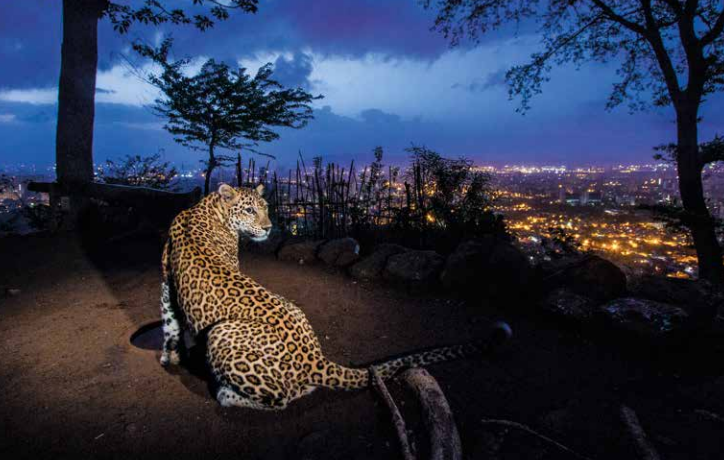
One night in 1997, alone in a cabin atop a mountain in the cloud forest of Guatemala, Steve Winter's life changed forever. He was there on behalf of National Geographic, He was photographing the quetzal, the iconic bird with its long, iridescent tail, sacred to the Mayans. It was then that he received an unexpected visitor: heavy footsteps on the stairs, sniffing, and scratching. Terrified, he grabbed his walkie-talkie and called a naturalist who lived in the valley below, telling him what had happened. The man replied, “Steve, don't worry—it's just a black panther.‘ A few days later, Steve spotted the same jaguar. That encounter profoundly affected his work, directing him toward nature conservation, especially big cats. Since then, he has produced numerous reportages on jaguars for National Geographic, Smithsonian and BBC Wildlife, as well as a documentary for Nat Geo WILD.
FROM THE PLAINS OF INDIANA TO REPORTAGES FOR NATIONAL GEOGRAPHIC Growing up in the cornfields of rural Indiana, Steve dreamed of an adventurous life, traveling the world with a camera. At just seven years old, his father gave him his first camera, teaching him how to develop and print photos in the home darkroom. He trained by studying the great masters of photography, such as Eugene Smith, Henri Cartier-Bresson e André Kertész, but they were the images of Charles Moore on Life Magazine that made him understand the power of photography to change hearts and minds. Working for Black Star, Moore's agency, was his destiny. From there, he began producing reportages for Time, Stern, Geo, Newsweek and other magazines. Although he loved nature, he didn't photograph a wild animal until he was 33, when he documented an expedition in the rainforests of Costa Rica. From then on, he began telling natural history stories for National Geographic.

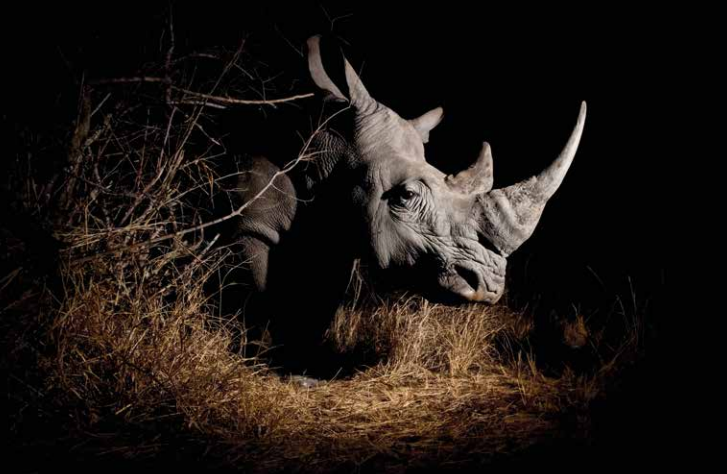
A PHOTOJOURNALISTIC LOOK AT NATURE Steve has no scientific background, and at the time, nature photography was dominated by animal portraits. His approach was revolutionary: telling the stories of animals and their environments like a true photojournalist.
“My goal is not only to capture the beauty and unique behavior of animals, but also to tell their story, their relationship with humans and the ecosystem in which they live.“
ADVENTURES IN OVER 100 COUNTRIES Steve has traveled to over 100 countries, living experiences that are beyond belief:
- Charged by brown bears in Kamchatka.
- Trapped in quicksand in Myanmar.
- Months spent in India photographing Asian elephants, Indian rhinos, and Bengal tigers.
- Tree-climbing lions documented in Africa.
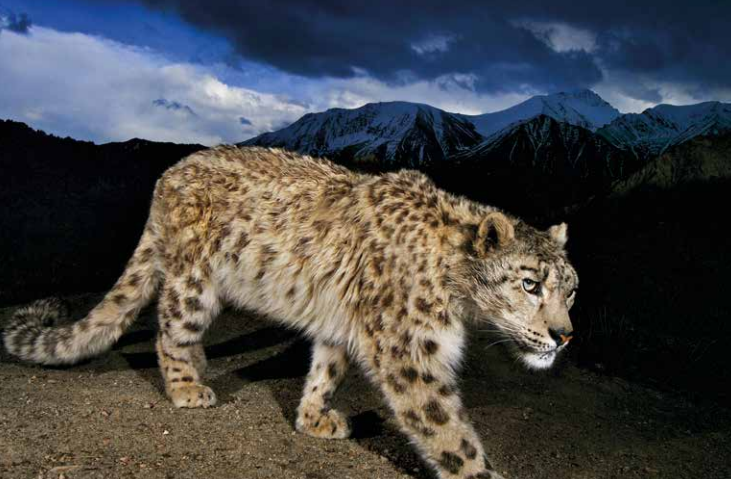
THE SNOW LEOPARD CHALLENGE One of the most challenging moments was his reportage on snow leopards in the Himalayas: he spent three months at 4,500 meters above sea level with night temperatures of -50°C. That story earned him the title of BBC Wildlife Photographer of the Year and the World Press Photo Award (which he won again in 2014 and 2020).
Beyond the awards, his work had a concrete impact: he helped local communities develop an ecotourism and livestock vaccination program, reducing conflicts with predators.