

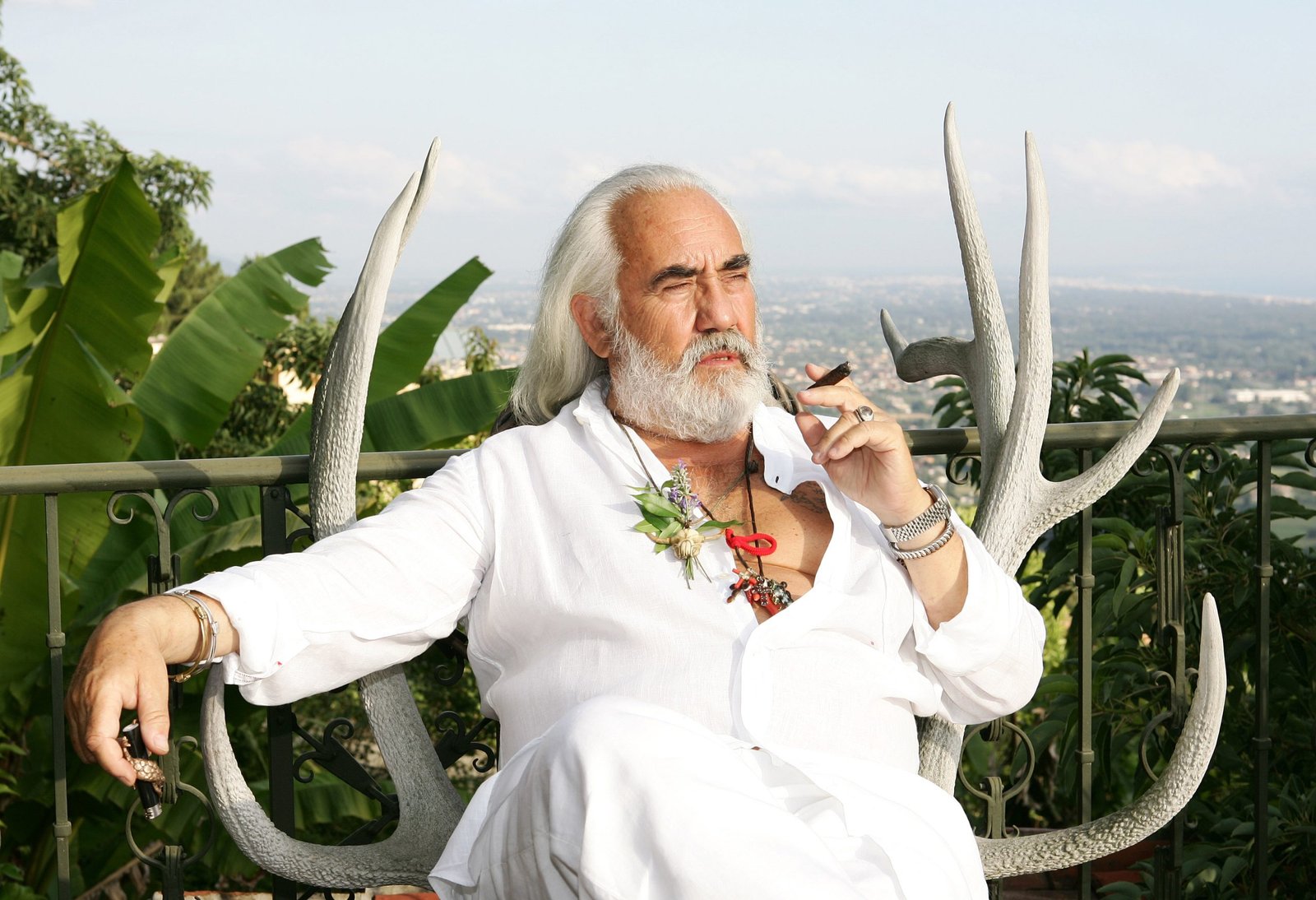
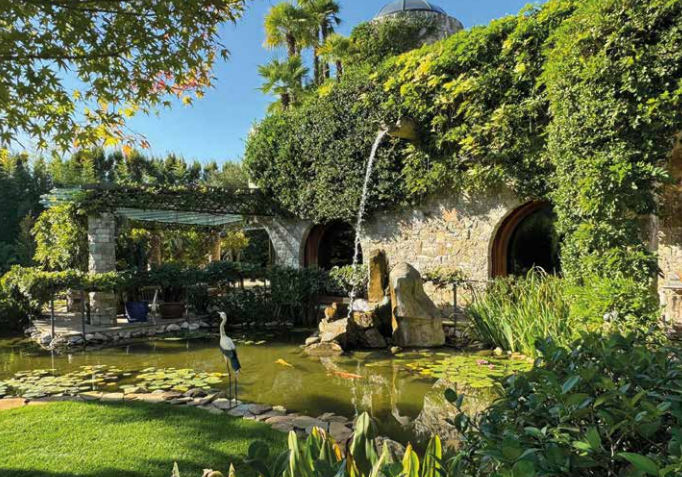
IMMERSED IN AN EDEN OF ART AND NATURE, AMONG SCULPTURES, LUSH PLANTS AND PHOTOGRAPHS THAT TELL OF EXTRAORDINARY ENCOUNTERS, WE FIND OURSELVES IN THE BEACHFRONT STUDIO OF ARCHITECT TIZIANO LERA, A PEARL SET IN HIS BELOVED VERSILIA
Here, in Versilia, the sea that can be seen on the horizon seems to be the primordial matrix of a vision that has crossed the world, giving shape to iconic villas and cult places of Italian social life.
INTERVIEW WITH TIZIANO LERA Question: Architect Lera, your studio is a magical place, a perfect balance between art, nature, and memory. How important is the environment and the identity that surrounds you in the creative process? Tiziano LeraThat's all. Architecture is never an end in itself, but a constant dialogue with nature, history, and the people who will inhabit it. I've always believed in a design that respects the landscape, enhances it, and makes it an integral part of the work. For this reason, already over thirty years ago, my thinking was anchored in sustainability, in concepts like Feng Shui, which today seem innovative but are rooted in a thousand-year-old culture.
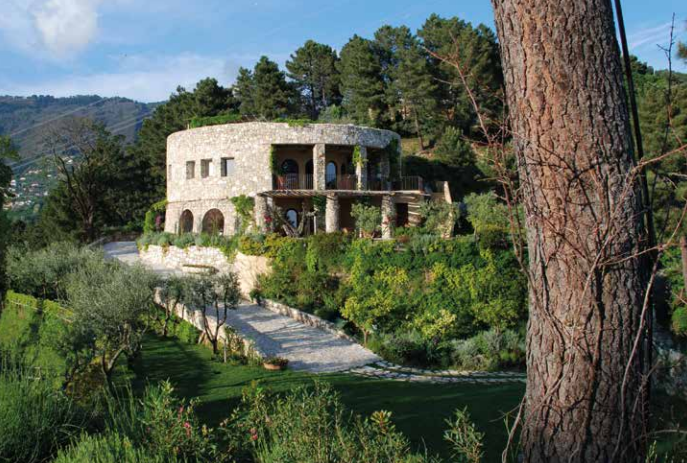
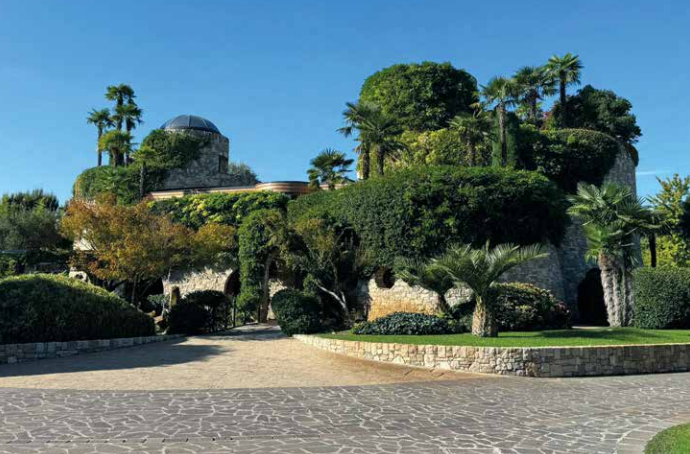
His projects have touched every corner of the world, from private villas for celebrities, managers, and personalities such as Zucchero and Toni Belloni, Botero, to historic venues such as La Capannina in Forte dei Marmi and the revolutionary Biodiscoteca La Canniccia.
What does it mean to bring your Italian style to a global scale? TLIt means staying true to yourself. Every place has its own soul, and my job is to first listen to it and then interpret it with sensitivity. Forte dei Marmi and Versilia were an incredible laboratory, a crossroads and balance of culture, worldliness, and nature. But the same principle applies to every other project I've completed around the world, whether in Kenya, Turkey, China, or Santo Domingo: listening to the land, studying it, and engaging with it. This is what makes architecture timeless.
You were a pioneer of green thinking and biosystemic design, long before it became a global trend. What is the challenge for the architecture of the future? TLThe challenge is to rethink the relationship between humanity and the environment. Too often, architecture has invaded, imposed, and distorted the landscape. I have always sought the opposite: to integrate, harmonize, and enhance. Today, the world is realizing the need for a new paradigm, and it's gratifying to know that my theories and my work have been a point of reference in this direction. The future lies in balance, in the awareness that every project is a piece of a larger ecosystem.
Your studio is an incredible microcosm, filled with artwork, plants, and even a parrot! What does this space mean to you? TLThis place is my essence. My history, my passions, and the encounters with extraordinary people I've had the privilege of meeting coexist here. It's important to remember that I was born into art. The Lera foundry has existed since the 1400s, and the works we've created can be found all over the world. From Puccini's monument in Troubetzkoy, to the famous bells from Tosca, to Andersen's The Little Mermaid in Copenhagen. Art and nature are my constant source of inspiration. And the parrot? It's a traveling companion, a symbol of freedom and color in a world that too often forgets the beauty of simple things.
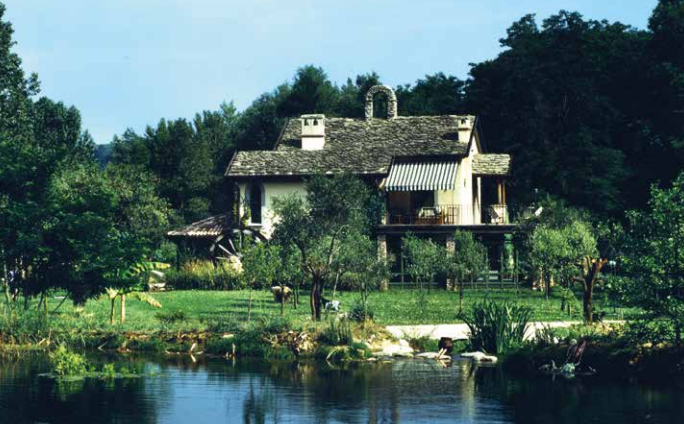
Finally, any advice for young architects entering this world? TLStudy, travel, observe. Never stop at the surface, but always seek to understand the context, the cosmic-holistic natural interrelationship, history, and culture. And above all, respect nature. Because she, ultimately, is the Great Mother, the true architect of our world, and we are brothers and sisters of all that is created, from animate to inanimate. This is why I created "Biosistemic" Architecture, a principle according to which the biomass of a project must be greater than the land it occupies, providing more oxygen to the planet, as I proposed in my design for the Skyscraper That Does Not Offend the Sky.
The meeting with Tiziano Lera is not just an interview, but an immersion in a vision that transcends time. His name is etched in the international architectural scene, but his thought continues to be a beacon for new generations.
In an age where the future demands sustainable solutions, Lera demonstrates that architecture, if well conceived, can truly be a bridge between man and nature, between dream and reality.