AN EXHIBITION THAT TRACES THE MOMENT WHEN THE NIGHT BECAME A THEATRE OF DISCOVERY, WHEN THE FLASH OF EXPERIMENT AND IMAGINATION TRANSFORMED ART, SCIENCE, AND THE WAY WE SEE OURSELVES.
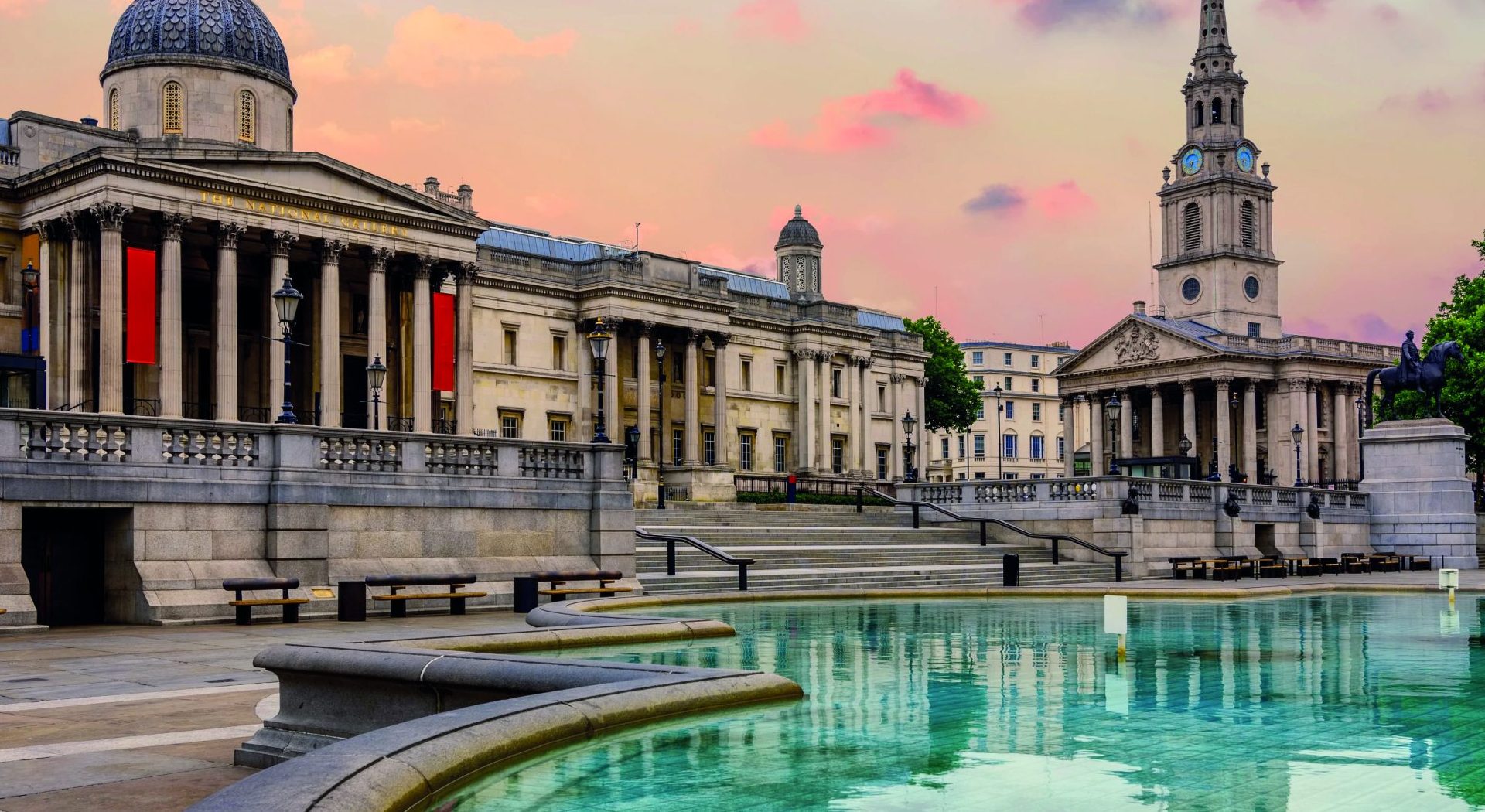
In the fall of 2025, the National Gallery will present Wright of Derby: From the Shadows, the first exhibition dedicated to Joseph Wright “of Derby” (1734–1797) hosted by the London institution and the first to focus entirely on his famous series of “candlelight” paintings. The exhibition is organized in collaboration with Derby Museums, where it will next be shown in 2026.
After highly successful exhibitions such as Turner on Tour (2022) and Discover Constable & The Hay Wain (2024), this exhibition shines a spotlight on a British artist from the National Gallery's collection whose work has become a symbol of an era. Traditionally, Wright of Derby has been considered an exponent of the Enlightenment, the period of fervent scientific, philosophical and artistic development between the 17th and 18th centuries. However, this new exhibition aims to challenge this vision, offering a deeper and more complex reading: Wright was not only a “painter of light”, but an artist who deliberately chose to explore the night as a space for introspection, addressing universal themes such as death, melancholy, morality, skepticism and the sublime.
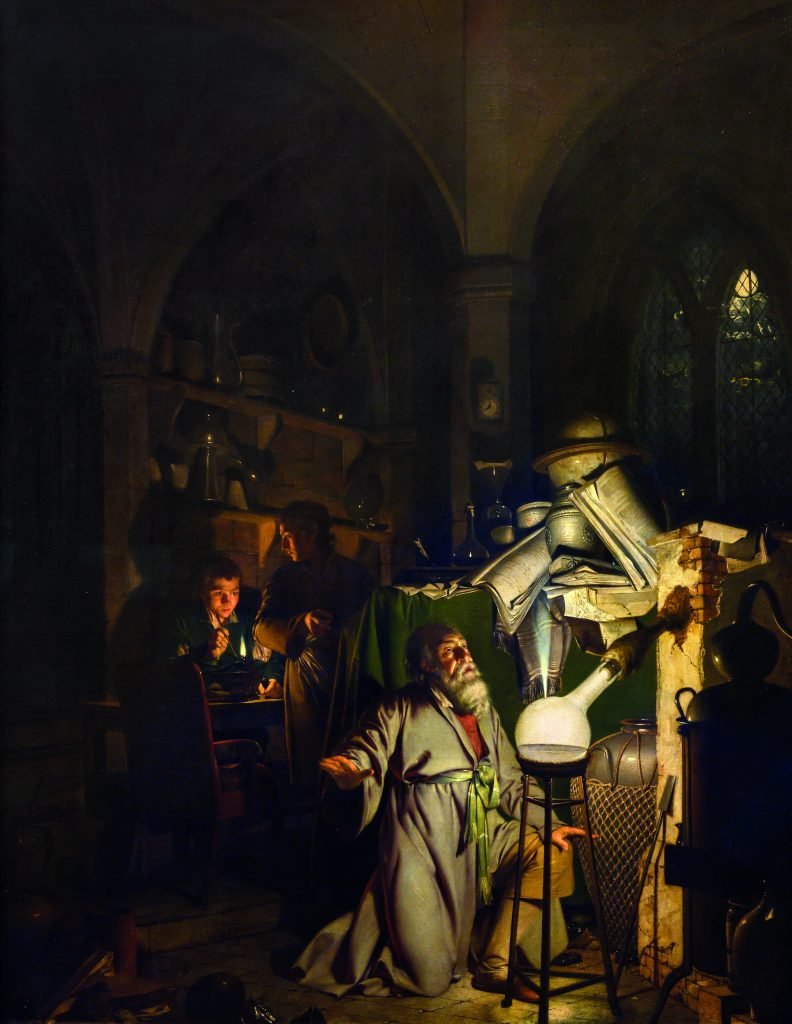
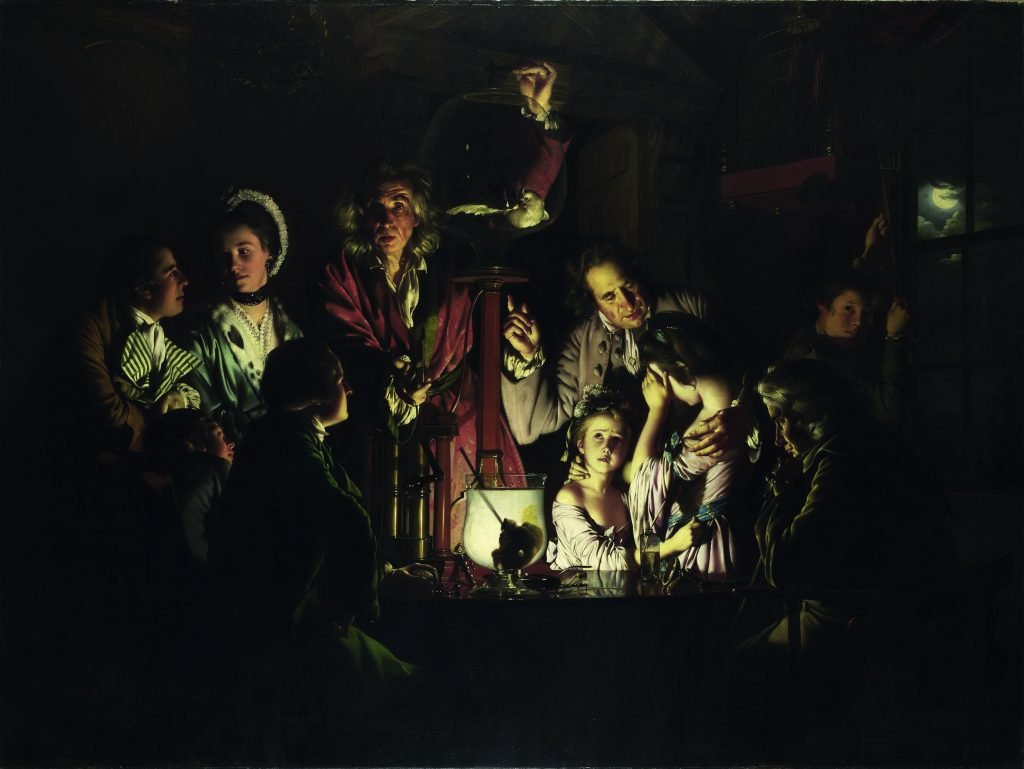
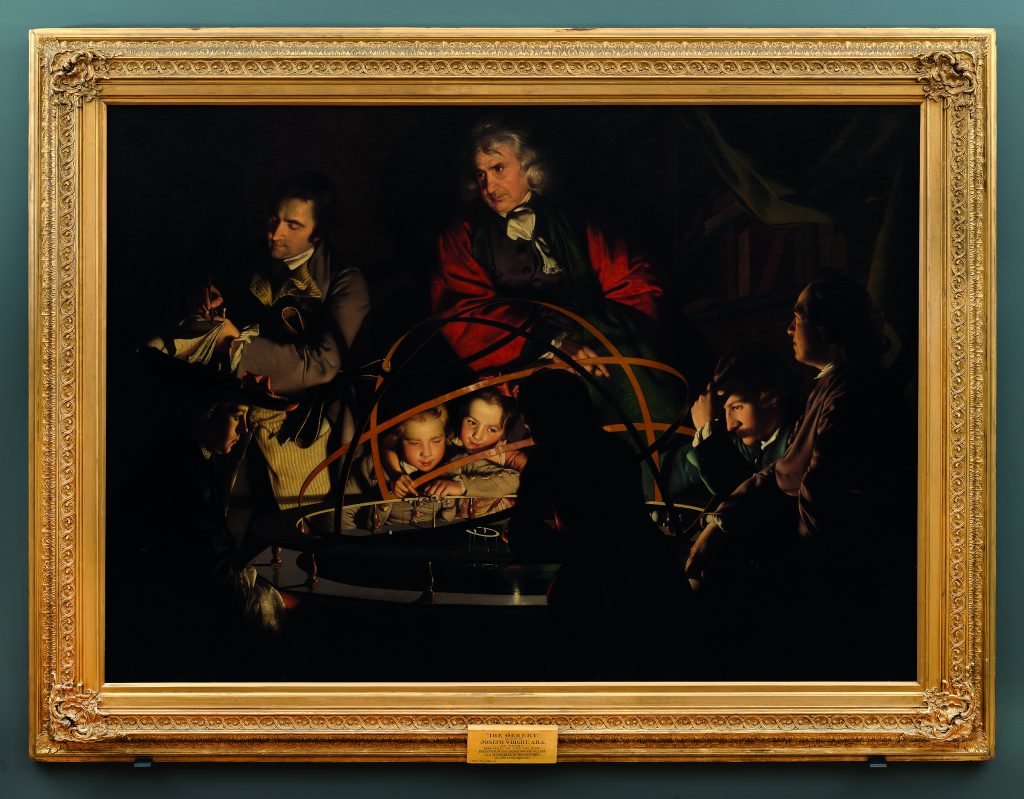
The exhibition focuses on the period between 1765 and 1773, during which Wright created a series of candlelit scenes, among the most intense and theatrical in British painting. Among the masterpieces on display are Three Persons Viewing the Gladiator by Candlelight (1765, private collection), A Philosopher Giving That Lecture on the Orrery in Which a Lamp Is Put in Place of the Sun (1766, Derby Museums) and the National Gallery work An Experiment on a Bird in the Air Pump (1768). This is the first time these masterpieces have been reunited in 35 years. It will also be possible to admire An Academy by Lamplight (1769, Yale Center for British Art, USA), which has not been exhibited in the UK for over a decade. In these paintings “by candlelight”Wright captures moments of discovery and sharing of knowledge, conveying the emotion of thought literally ignited by the light of a flame. His dramatic depictions of natural and artificial light draw on the great Renaissance tradition, evoking artists like Caravaggio, whose use of chiaroscuro was rarely employed in British art before the mid-18th century.
At the same time, Wright addresses extremely modern issues related to observation, spectacle, and education, central themes of Enlightenment thought. In his masterpiece, An Experiment on a Bird in the Air Pump, a traveling lecturer demonstrates a scientific experiment to a family audience; reactions range from amazement to anguish. In The Orrery, his first science-themed work, a philosopher illustrates the workings of the universe through a mechanical model of the solar system, where the sun is replaced by an oil lamp. In Three Persons Viewing the Gladiator by Candlelight, an artist holds up a drawing of a sculpture to submit it to the critical judgment of those present. In all these scenes, Wright explores the moral ambiguity of the gaze and the subtle balance between knowledge and wonder. The artist worked at a crucial moment in the history of art consumption: in the 18th century, public exhibitions and contemporary art shows were just beginning to become more widespread.
The Air Pump was completed in the same year as the founding of the Royal Academy and designed to be accessible to a wide audience, while still being presented to the Society of Artists.
The exhibition will also include a selection of mezzotints from his works, which played a key role in establishing his international reputation. These luxury prints demonstrate how Wright cleverly exploited contemporary reproduction techniques to establish his reputation in the UK and beyond.
Alongside the paintings and engravings, visitors will be able to admire artistic and scientific instruments from the Enlightenment era, such as an orrery (mechanical planetarium) and a late-18th-century air pump, from the Whipple Museum of the History of Science in Cambridge. Wright of Derby: From the Shadows will present over twenty works, including paintings, drawings, and objects, illustrating not only Wright's artistic practice but also the cultural and scientific context in which they were born.
Seventeen works come from the Derby Museums, which houses the largest collection in the world dedicated to the painter. In 2026, the exhibition will travel to Derby Museum and Art Gallery, bringing back two of his most famous masterpieces — The Air Pump and The Orrery —in the artist's hometown, for the first time in eighty years.