
IN AN ERA WHERE CINEMA WAS TRANSFORMING FROM DREAM TO MIRROR OF REALITY, HE WAS ABLE TO COMBINE MAGIC AND TRUTH, CREATING MASTERPIECES THAT REDEFINED CINEMATIC LANGUAGE: A CHARISMATIC ACTOR, VISIONARY DIRECTOR, MASTER OF NEOREALISM, HE AWARE OF TELLING ITALY WITH A DEEP VIEW, CAPABLE OF EMOTING WITHOUT EVER SLAPING INTO RHETORIC.
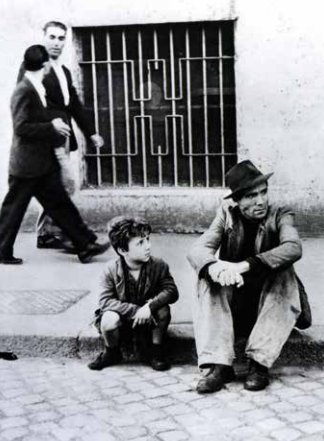
His artistic story began in front of the camera, with an acting career that gave him elegance and popularity, but it was behind the camera that his genius revealed itself in all its greatness. With Shoeshine (1946) and Bicycle thieves (1948) opened the doors of neorealism to the world, telling stories of poverty and hope, of daily pain and broken dreams, with a simplicity that immediately became poetic. Miracle in Milan (1951) brought a touch of fairy tale to social realism, while Umberto D. (1952) moved people with its poignant portrait of solitude and human dignity, considered by De Sica himself to be his most successful film. The secret of his cinema? Truth. He walked the streets, observed people, captured authentic faces and emotions. He often preferred non-professional actors, because he knew that in every wrinkle, in every spontaneous gesture, the essence of life lay hidden.
He collaborated with some of the greatest screenwriters and cinematographers of his time: Cesare Zavattini, his most faithful and brilliant pen, with which he wrote many of his most famous works; GR Aldo e Carlo Montuori, which gave light and visual depth to his stories; Alessandro Cicognini, who with his music amplified the emotions of every shot. Zavattini, in particular, was not only his trusted screenwriter, but a true artistic accomplice, with whom he shared a vision of cinema as a tool for social denunciation and a poetic narration of reality.
His friendship with Zavattini was the spark that fueled his talent. Together they wrote some of the most intense chapters in world cinema, with a synergy that made them inseparable. But De Sica was not only neorealism. In the following years, he demonstrated extraordinary narrative elegance with works such as Two Women (1960), which earned Sophia Loren an Oscar for her masterful performance as a mother fleeing war.
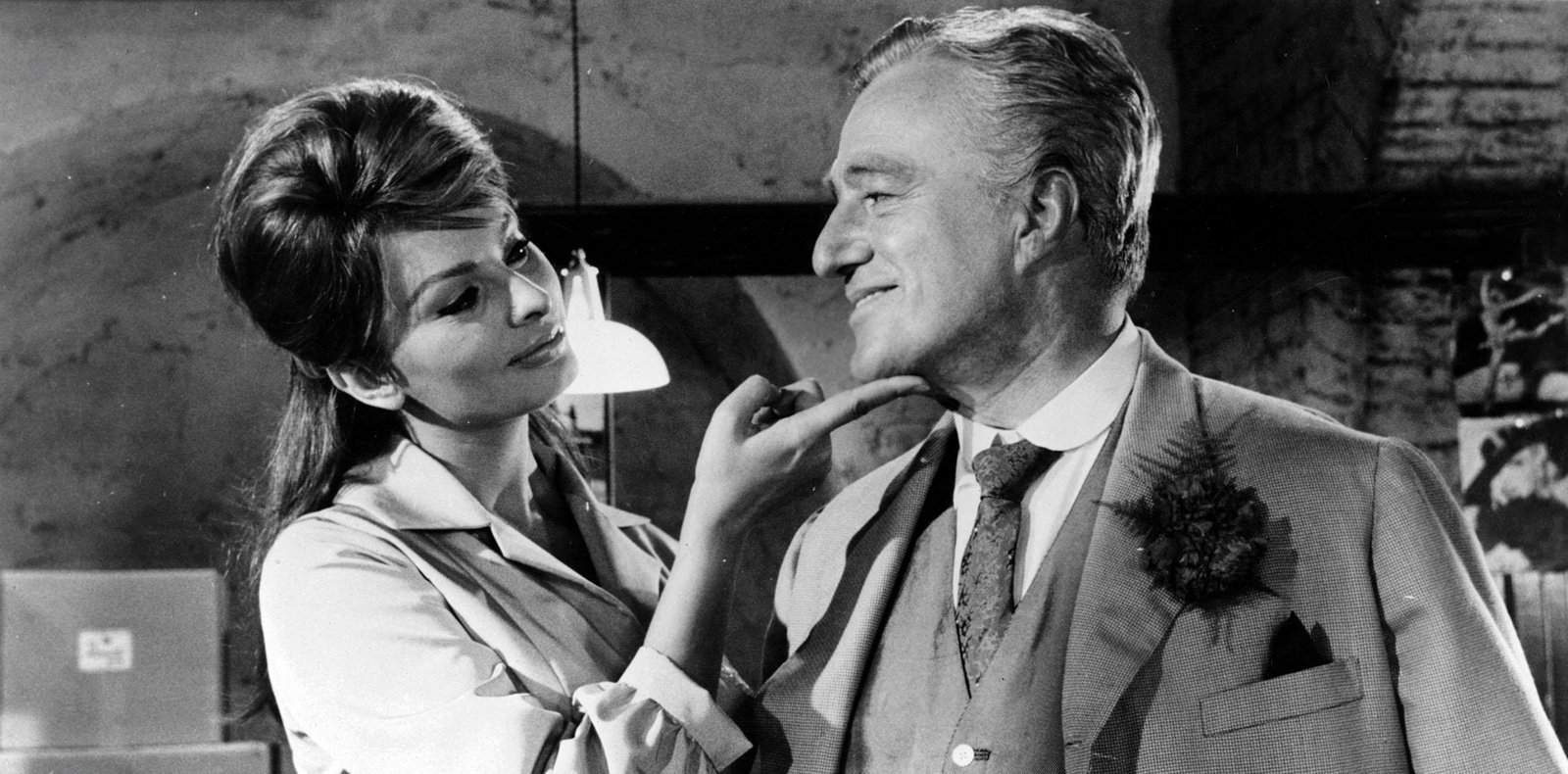
Italian wedding (1964), based on the comedy Filumena Marturano Of Eduardo De Filippo, saw De Sica directing once again Loren e Marcello Mastroianni in a passionate portrait of love and compromise. The boom (1963), less known but very topical, told the illusions of the Italian economic boom with ironic and biting tones.
With The Garden of Finzi-Contini (1970) brought the drama of Jewish persecution to the screen with unparalleled delicacy and sophistication, winning the Oscar for Best Foreign Language Film. This work marked a definitive maturation of his cinematic language, demonstrating his ability to tackle historical themes with a unique sensitivity. In the final years of his career, De Sica continued to explore the boundaries between drama and comedy, leaving a legacy that would influence generations of directors.


DE SICA THE ACTOR: CHARM AND TALENT Besides being a great director, Vittorio De Sica was an extraordinarily talented actor, capable of moving from comedy to drama with elegance and mastery. He began his career as a brilliant actor in the 1930s, winning over audiences with his charm and smile in films such as Gli uomini, which scoundrels… (1932) and I will give a million (1935). His charisma and class made him an icon of Italian cinema. Over time, he honed his dramatic skills, offering memorable performances in films such as General Della Rovere (1959) by Roberto Rossellini e Count Max (1957), where he displayed a timeless refinement. In the 60s and 70s he starred in numerous international films, including Once upon a time… (1967) with Sophia Loren e The journey (1974), his last film.
Loved by his colleagues, esteemed by critics, adored by audiences, De Sica was a bridge between comedy and drama, between auteur cinema and popular cinema.
A gentleman who made cinema an art that still moves us, questions us, and makes us dream today.