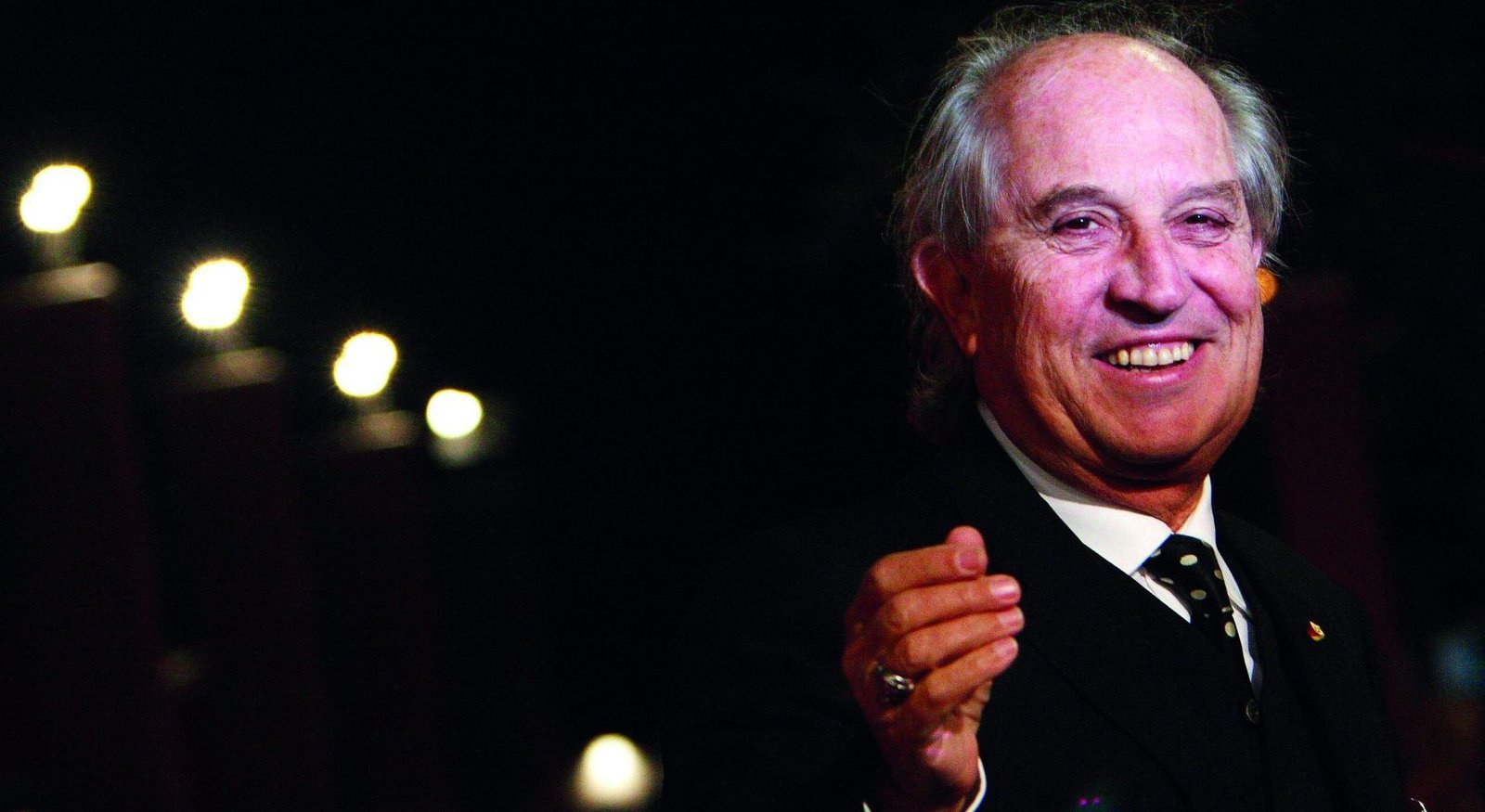
AFTER HALF A CENTURY OF CAREER, THE MASTER OF PHOTOGRAPHY REVEALS HIS NEW ARTISTIC CHALLENGE: A NOVEL WRITTEN WITH CARLO M. MARTIGLI THAT WILL BE BECOME A FILM SHOT AT CINECITTÀ, TO TELL THE CHILDHOOD OF JESUS AS NO ONE HAD EVER DARED, BETWEEN FAITH, HUMANITY, AND THE ETERNAL QUEST FOR LIGHT.
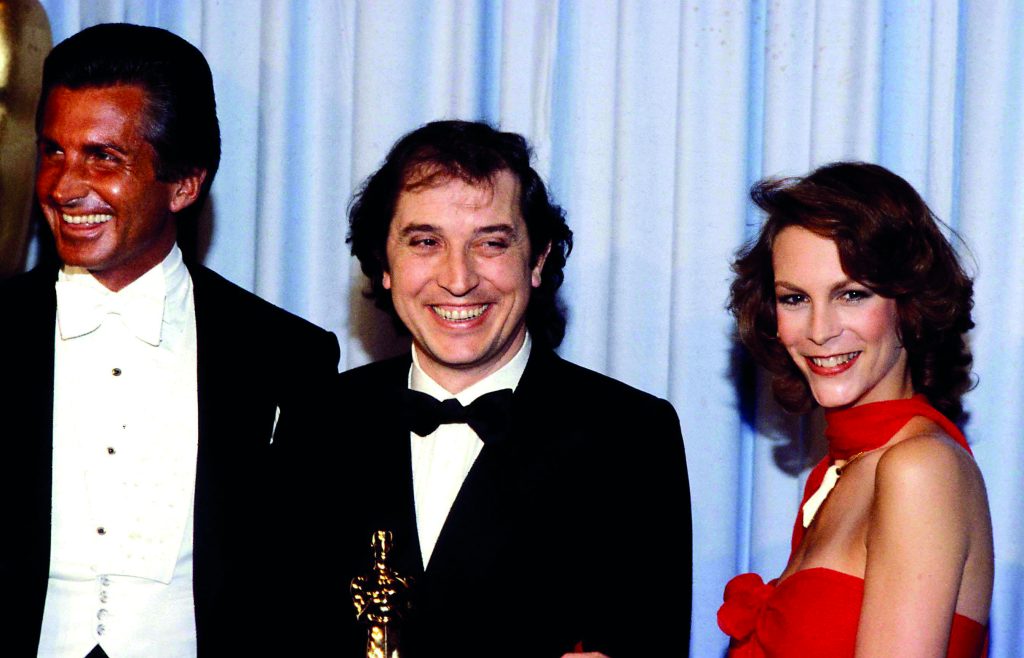
Vittorio Storaro: eighty-five years old, fifty years of career, three Oscars, countless other awards.
And he has no intention of stopping: his new book, The Novel of the Little Messiah, was released on October 14th. This historical novel, co-written with bestselling author Carlo M. Martigli, is a co-author. We met Maestro Storaro in his home, filled with books, awards, and memorabilia, to learn more about this truly exceptional new endeavor: telling the story of the Little Messiah, which will later be adapted into a film.
Everyone focuses on Jesus's preaching, but you chose to tell the story of his childhood. Why? I was seven years old when a teacher handed me a book with a painting on it: a seated woman dressed in blue, an angel of light pointing at her. This image stayed with me for a lifetime: I learned about the Annunciation, and then I discovered the masterpieces of all the Masters who depicted it. The story of Jesus as a child, from his conception or even before, from the meeting between Mary and Joseph, has always fascinated me. But I thought no screenwriter could ever tell it with the power that all those images I'd collected over the decades had conveyed to me.
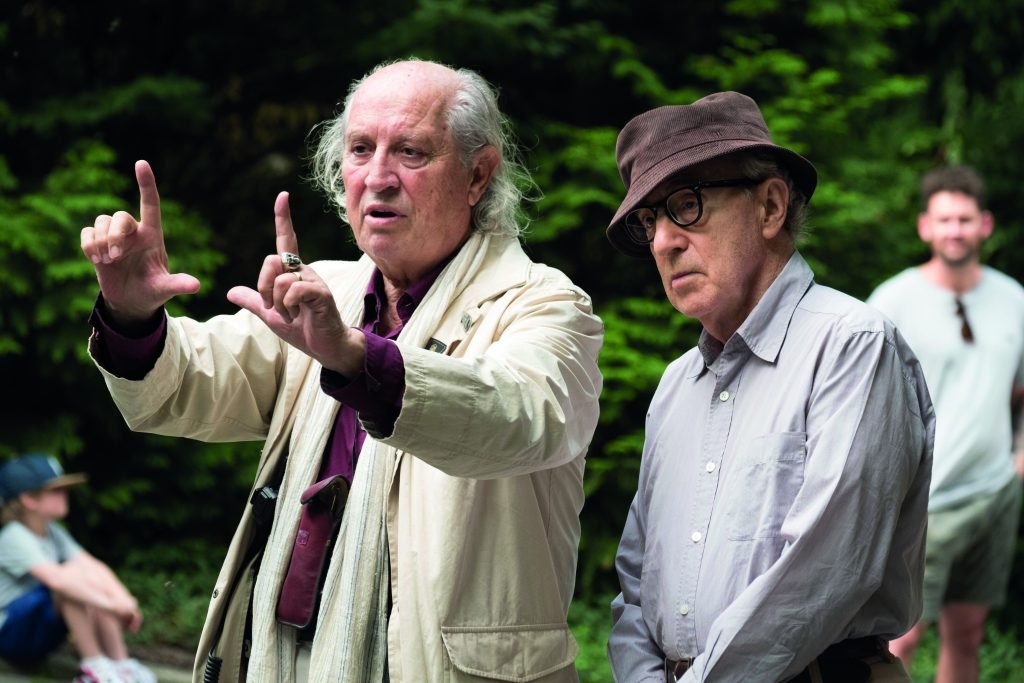
And then Carlo Martigli arrived… Thanks to my daughter Francesca, after I read Carlo's novel, The Heretic, we met and immediately agreed on the idea, the structure, and the tone of the story. Since we have different professions, we also immediately divided the tasks: in any discussion about how to structure or write, he would take priority over the novel and I over the screenplay. We wrote them side by side, together, in harmony and with great joy.
The novel also contains a beautiful account of the relationship between Mary and Joseph: two ordinary people, a couple trying to survive and protect their son.
It's a very modern interpretation, almost as if they were two people from today. How did you arrive at this choice? This is also an idea my daughter Francesca gave me. She had been researching the figure of Mary and reminded me that her emotional dimension, her loving relationship, is never emphasized. It prompted us to reflect on the fact that she isn't "just" the Immaculate Virgin, visited by the angel, but a woman in love with a man, who faces a very difficult situation with him but who also brings with her so much courage, so much light. So we decided to bring out this dimension. And it's one of the things I like most about the novel. It's not just the story of a woman, but also of the man who took her from the Sanhedrin.
You must have also had to do a lot of research. What were your sources? We consulted countless sources; in addition to the canonical Gospels, of course, we read hundreds of documents, from the writings of Pico della Mirandola to the apocryphal Gospels, and much more. It was clear that the Flight into Egypt, which in the Gospels is resolved in a few lines but which actually lasted for years, was crucial.
They fled to Egypt to escape Herod who was concerned about his throne, since Jesus was of the lineage of David.
It was Joseph of Arimathea, Mary's uncle, who suggested refuge through the Essene monasteries in Egypt. If you think about it, it's a real pursuit of this small family fleeing from Herod's henchmen. We needed to find out what route they had taken, where they had taken refuge, how they had survived. Together with Rachid Benhadj, who will direct the film, and my son Giovanni, we went to Egypt. We visited temples, studied photographs, artifacts, and documents, all the way to the Cairo Museum. There we discovered that the entire escape is documented; there are maps, sketches, the names of the places they passed through, and information about the Essene monasteries where they found refuge. It's a story no one knows.
What does the Church say about this information taken from sources other than the traditional Gospels? We met with Monsignor Davide Milani, of the Dicastery for Culture and Information, and he was enthusiastic about the project. He agrees with us that this period of Jesus' life is important for understanding the relationship between his divinity and his humanity. Our book is aligned with the Gospels and with the idea of deepening the narrative of Jesus' life and preaching. We then return to the Gospels when Jesus began his doctrinal studies with John the Baptist, at a very young age, just six. Upon returning from the flight to Egypt, Joseph of Arimathea recognized the great charisma of these children and took them to the great school of the Carmel monastery.
An exceptional thing, Jesus should have started many years later; but he amazes the wise men with his knowledge, with his wisdom. The son of a carpenter, a
child.
Do you think this child still has something to say to the children, or rather, the teenagers, of today? In my youth, we identified with great figures, in movies, sports, and so on. Today, I see a lack of positive examples around. Kids grow up with porn and crime news, surrounded by violence. My hope is that, with a little help from family and school, the younger generations will try to identify with a Jesus, a John, portrayed as living children and young people, with their stories and their feelings. May they once again aspire to knowledge and goodness.
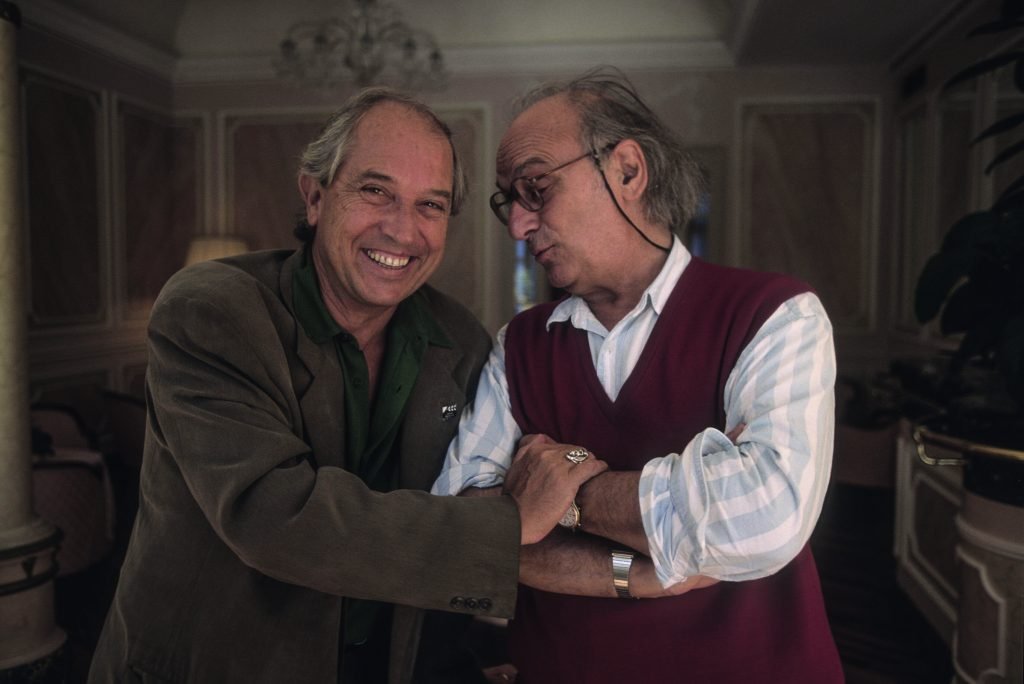
She never stops: what other projects are she working on? I made an important request to the institutions: to restore all of Bernardo Bertolucci's films. I made ten with him, many of which are obviously on film, a material that fades and deteriorates.
The response, I must say, was immediately positive, and a restoration project began that lasted three years and was carried out in Cinecittà, where there are truly excellent facilities.
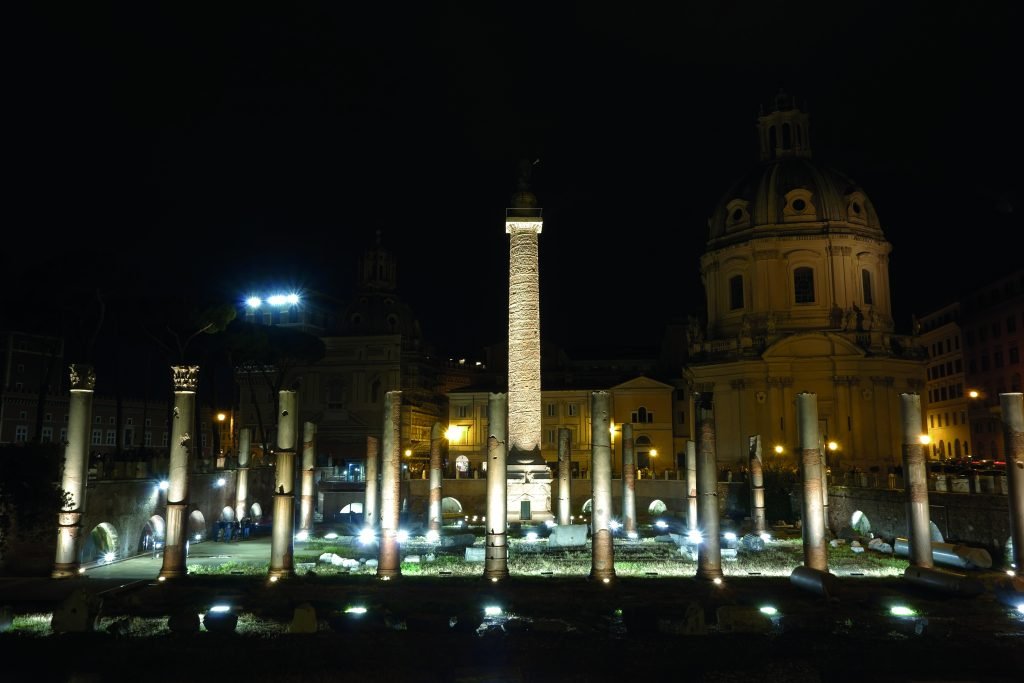
Will the film based on this book also be produced at Cinecittà? My dream is to shoot it all there. It won't be necessary to go to Egypt for location filming, because with current equipment it's possible to reconstruct everything, thanks to digital effects, in the large and innovative Cinecittà soundstage.
It's my desire, I'd say my dream, also because this isn't meant to be a realistic film but a fairy tale, a story capable of enchanting, involving, moving.
It will be a cutting-edge project that I can't wait to start.