
FROM ITS THOUSAND-YEAR-OLD HISTORY TO ITS THERMAL WATERS, FROM THE SPRINGS OF INTERNATIONAL CINEMA TO VILLAGES SUSPENDED IN TIME: A JOURNEY THROUGH THE COLORS, FRAGRANCES, AND WONDERS OF AN ISLAND THAT HAS ALWAYS ENCHANTED ARTISTS, EMPERORS, AND TRAVELERS.
In the heart of the Mediterranean, where the deep blue of the sea blends with the brilliant green of the Mediterranean scrub, lies Ischia, the island of well-being and light, fire and water, beloved by Roman emperors, writers, directors, actors, and dreamers. Known in ancient times as Pithecusa, Ischia was the first outpost of Greek colonization in the West. The finds kept in the Archaeological Museum of Villa Arbusto in Lacco Ameno – including the famous Nestor's Cup, with the oldest inscription in the Western Greek alphabet—tell of a glorious past rooted in myth. But it was with the Romans that the island experienced its first true golden age: thermal waters, natural pools, seaside villas, a vocation for wellness that has endured through the centuries to the present day.
THE ETERNAL CALL OF BEAUTY However, it was after World War II that Ischia was reborn as a modern myth. This was largely thanks to Angelo Rizzoli, the Milanese publisher who fell in love with it so much that he transformed it into a natural setting for the international jet set. He produced films in Ischia, promoted the construction of the Rizzoli Hospital, and invested in hotels that would become legendary, such as the Queen Isabella, in Lacco Ameno, a favourite refuge of divas such as Liz Taylor, Gina Lollobrigida, Maria Callas. And then Richard Burton, Charlie Chaplin, William Holden, Visconti, Zeffirelli, up to the most recent Matt Dillon, Jude Law, Naomi Campbell.
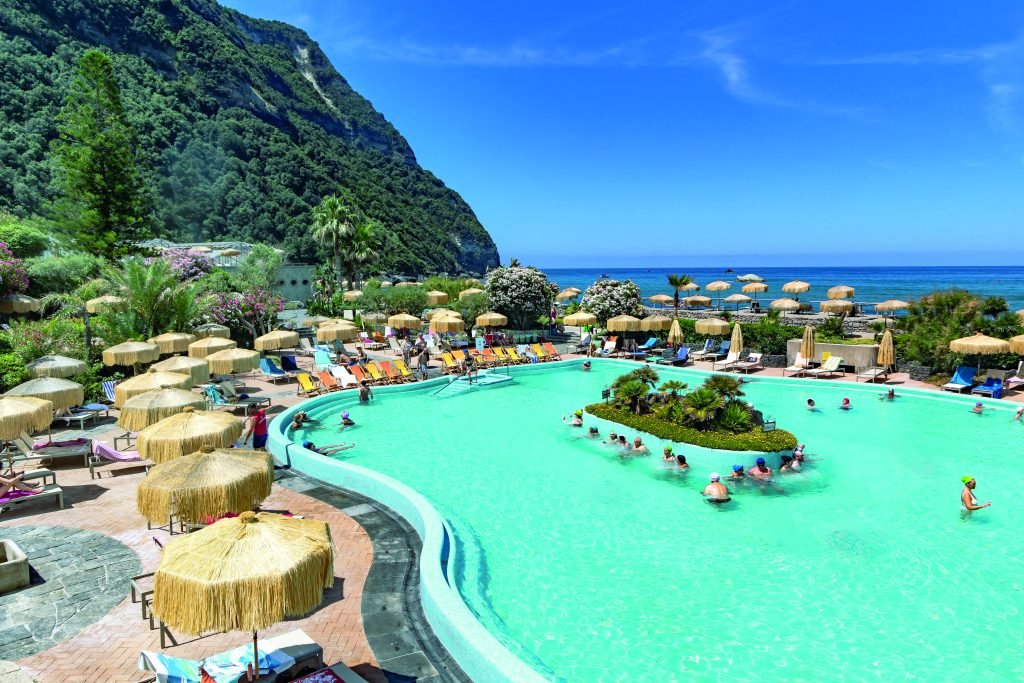
People come to Ischia to rediscover themselves, to heal themselves, to be amazed. Its thermal waters—the oldest and richest in Europe—flow from over 100 springs and feed extraordinary thermal parks like the Poseidon Gardens or Negombo, where art intertwines with nature. Here, water is not just wellness, but a sacred, almost primordial element.
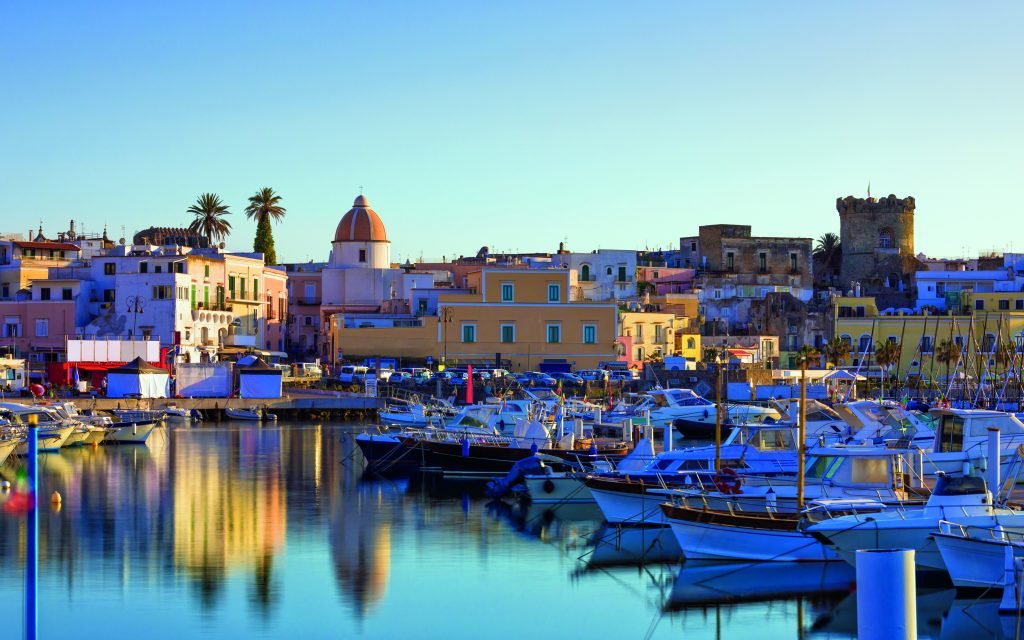
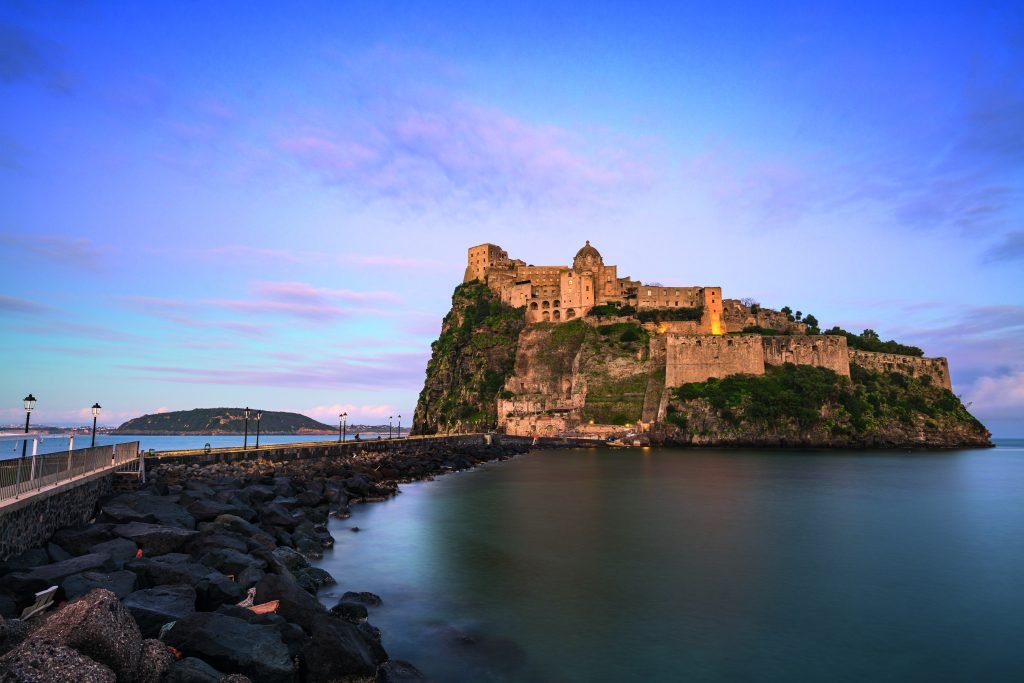
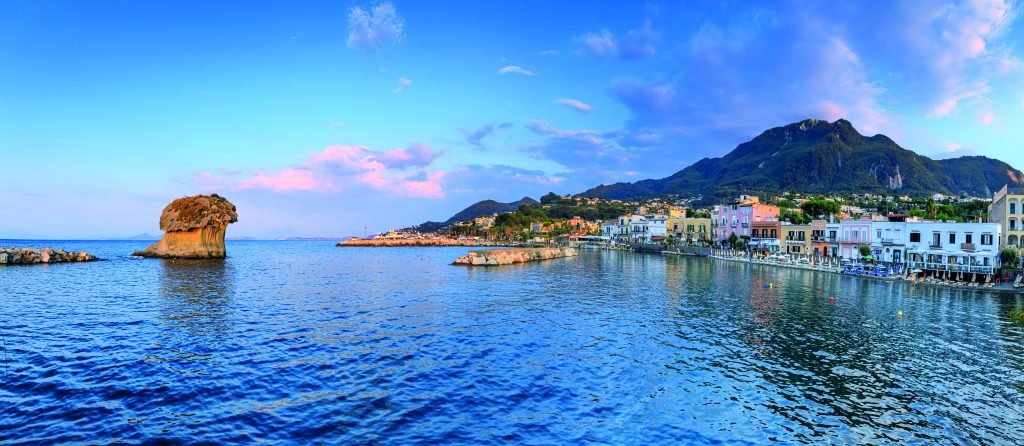
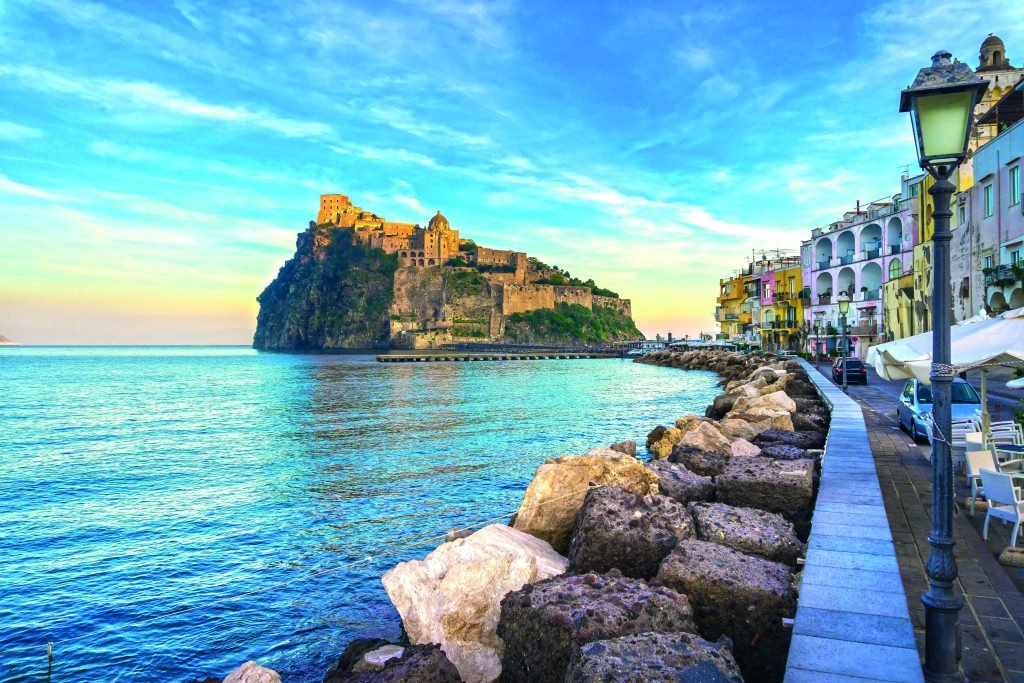
BETWEEN CASTLES, GARDENS AND ENDLESS SUNSETS The symbol of the island is undoubtedly the Aragonese Castle, which stands on a small island connected by a stone bridge to the city of Ischia Ponte. Built in 474 BC and enlarged by Alfonso of Aragon Built in the 15th century, today it hosts exhibitions, events, and one of the most breathtaking views in the Mediterranean. From above, the view encompasses the bay, Capri in the distance, and the ancient silhouettes of Forio and Sant'Angelo. Nature lovers cannot miss it. La Mortella Garden, a botanical paradise created by Lady Susana Walton, wife of composer William Walton. Among water lilies, giant ferns, and exotic plants, the garden exudes a total harmony between landscape, music, and spirituality.
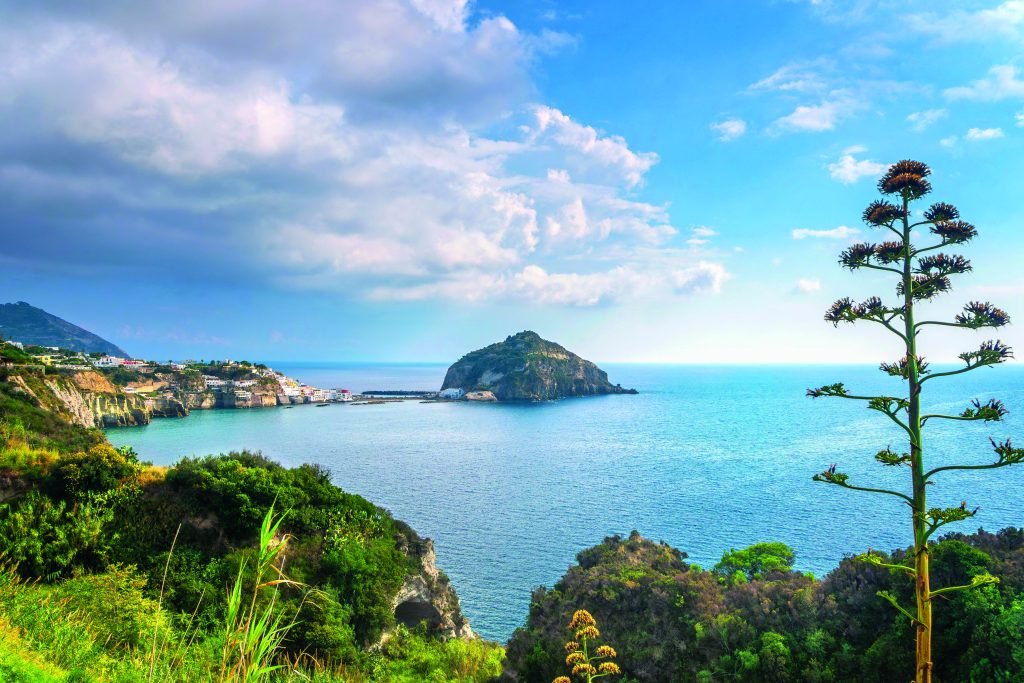
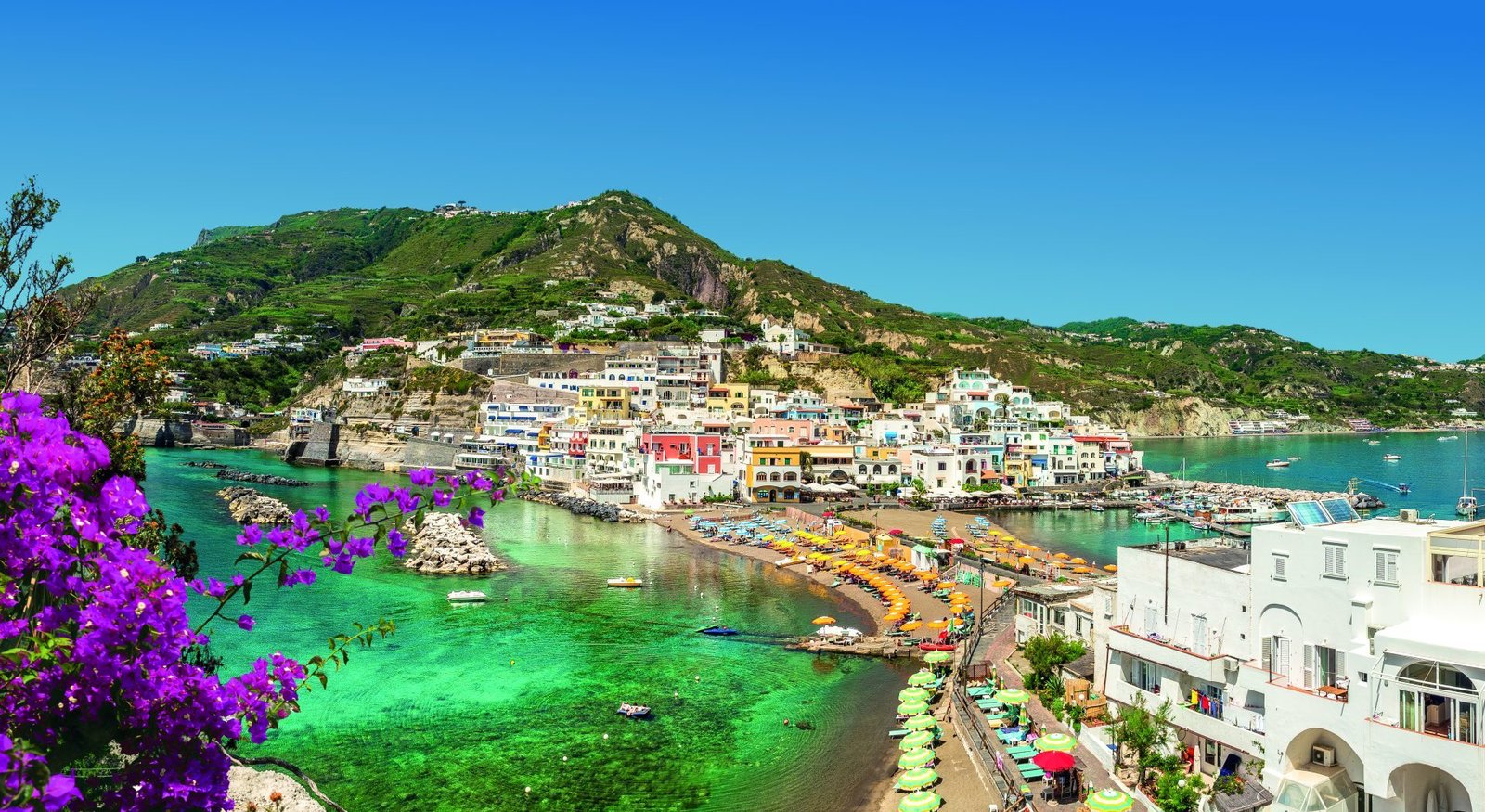
PLACES OF THE HEART (AND OF THE SOUL) Forio is the village of art and Moorish domes, overlooked by the Church of Soccorso—a white lighthouse on a spur overlooking the sea—and the Saracen towers. It was here that Luchino Visconti lived for long periods, and where an intellectual, creative, and free atmosphere still reigns. Don't miss the Ischia Film Festival in the summer, a direct heir to Rizzoli's dream. Sant'Angelo, on the other hand, is pure poetry: an ancient fishing village that has preserved its soul intact. No cars, just stairways, the scent of lemons, elegant boutiques, and terraces that seem suspended between sky and sea. It is here that artists, poets, and designers still take refuge today.
Those seeking hidden spirituality can climb Mount Epomeo, the island's highest point, for a breathtaking 360° view. Here, in absolute silence, the island's power manifests itself in all its truth: Ischia is alive, volcanic, mother and muse.
Today, Ischia is an island that has evolved without betraying its soul. Between 5-star hotels and refined boutique hotels, it retains the rare authenticity that sets it apart. Its culinary excellence—such as Ischian-style rabbit, wines from heroic grape varieties, and green lemon granitas—are part of a strong, never artificial, identity.
And then there are its iconic beaches, like Maronti, Citara, San Montano, Cava dell'Isola: each with its own character, its own rhythm, its own music. Ischia isn't just for looking at: it's for living, for walking, for listening.
It's an island that brings you back to the world. And when you leave, you realize it never really goes away.