


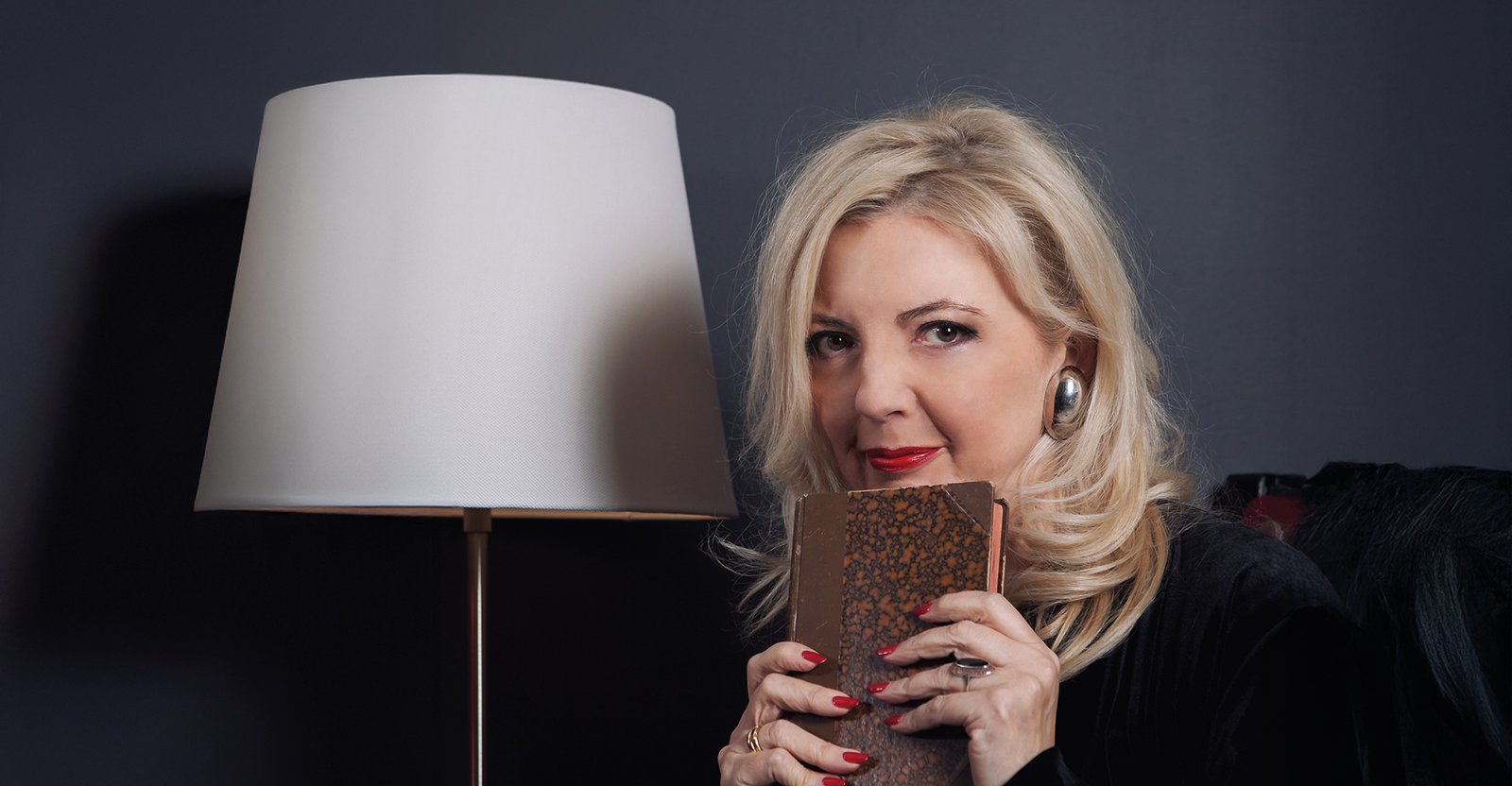
FROM NAPOLEON'S COURT TO TURIN'S PRISONS: MARINA MARAZZA TELLS THE EXTRAORDINARY LIFE OF GIULIA DI BAROLO, THE MARCHIO WHO REVOLUTIONIZED BAROLO AND FOUGHT FOR WOMEN'S RIGHTS
«I'm interested in writing about little-known or poorly understood characters. That's why Marchioness Giulia di Barolo»Marina Marazza replies when I ask what inspired her to tell the story of this exceptional woman, the protagonist of Sangue delle Langhe (Solferino), the first volume of a trilogy dedicated to the saga of the Barolo family. A woman of many lives who, as the author writes in her novel, was first a lady-in-waiting to Joséphine de Beauharnais, wife of Napoleon Bonaparte, and then married to the beloved Marquis Tancredi Falletti di Barolo. Thus Juliette Colbert, born in Maulévrier, in the Catholic Vendée, arrived in Turin and became Giulia: a woman committed to improving the conditions of other women, who helped the poor and entered prisons. It's the late eighteenth and early nineteenth centuries, after the French Revolution and the restoration of Piedmont under the Savoy.
«"After doing a lot of research, Giulia's life has surprised me too. May marks ten years since she was proclaimed venerable. That is, she began the journey toward beatification and, perhaps, sainthood."»
What did he do to deserve this title? «She, blessed by fortune, always felt compelled to help those who weren't. And women, after all, were the ones who suffered the most. She taught inmates to read and write, and there, in prison, she brought about a revolution of sorts: she demanded justice, the speeding up of trials. She had an Enlightenment mentality: she believed in re-education, in transformation. Not only that: she cared for orphans and, with her husband Tancredi, opened—even before Ferrante Aporti—a nursery school in their building. Together, they also founded vocational schools, where young people could learn a trade, avoiding living by their wits and ending up in prison. Finally, they created shelters for ex-convicts. In short, they were a very modern couple. And—we'll see in the second volume—Giulia would also found an order of nuns and collaborate with Don Bosco...
A tireless woman. «She was a great visionary. One of those people with the gift of making the seemingly impossible possible. She was powerful, even financially, and her husband fully supported her. She put her "wealth" at the service of others.“
And Barolo wine? «"She was extraordinary in this too. She transformed Barolo from a light, sparkling wine into the important wine we know today. She purchased Mademoiselle Gervais's winemaking equipment and turned it into a "storable" wine, ready to be produced and sold. But, once again, she didn't use that profit to further enrich herself, but to do good.".